
Food-focused holidays: discover regional specialties with care
A trip often stays especially vivid in the memory when it carries the scent of a market visit, a dish helps make a region understandable, or a glass of wine tells a story of landscape, craftsmanship, and season. A food-focused holiday does not need a packed itinerary. Those who leave room for shopping, small eateries, and conversation usually discover more than they would with a long list of addresses decided in advance.
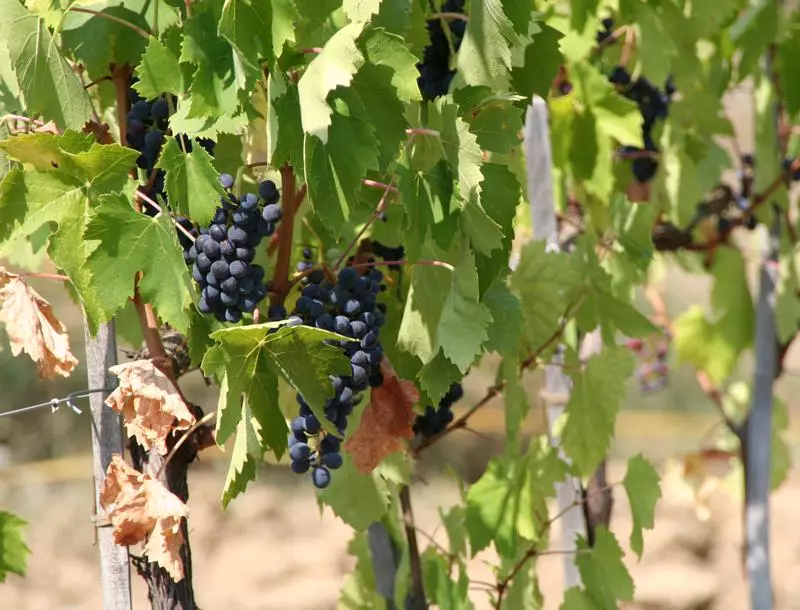 Weintrauben am Rebstock als Bild für Wein und regionale Genussmomente.
Photo: mediaup
Weintrauben am Rebstock als Bild für Wein und regionale Genussmomente.
Photo: mediaup
At a glance: Food & Specialties
- Regional cuisine is at its best when market visits, producers, and restaurant meals come together.
- Accommodation with a kitchen can be useful if you want to try cooking with regional products yourself.
- Set lunch menus and market halls make it easier to get acquainted with unfamiliar dishes.
- Drinks are part of food culture: water, tea, wine, and beer often come with their own occasions and customs.
- Small towns do not automatically offer better food; season, ingredients, and time are what matter.
- Being considerate helps: asking about ingredients and house rules is better than expecting familiar dishes.
Make markets and small eateries part of your daily itinerary
Visiting a market in the morning lets you see, smell, and compare products before they end up on your plate. In wine regions such as Georgia, this often also means asking which foods pair well with a local wine. Exploring Georgian wines can add depth to a travel idea without turning it into a rigid tasting itinerary.
On a city break, it is worth choosing a different kind of restaurant each evening. Restaurants and cafés in Vilnius show how cafés can offer a welcome break between sightseeing stops. For visitors to a major city in Central Asia, restaurants in Tashkent provide a concrete introduction to everyday food culture.
Think of wine, drinks, and landscape together
A drink often has more to say when its surroundings remain in view: vineyards, soils, markets, or the roads between villages. Moldova and its wine regions are a good example of how winemaking and rural travel impressions can come together. Landscape and cuisine are closely connected in Istria, too; a visit to the region of Istria can be planned around a trip to Motovun and the truffle region.
Food as a way to connect, not a checklist
A good culinary experience does not have to be spectacular. A simple breakfast, a family-run business, or a conversation about how a dish is prepared can offer more insight than an overloaded day’s itinerary. In Kaliningrad, restaurants can be chosen as part of your stay rather than treated as separate from the rest of your trip. Planning feels especially enjoyable when there is enough time between meals for a walk, a market visit, or a quiet break.
Plan practically and stay open
The main thing to prepare in advance is how to clearly explain any allergies or dietary requirements. Menus, opening hours, and offerings can change, so travelers should avoid relying on specific dishes or particular eateries. A rough mix of markets, cafés, restaurants, and self-catering is a better approach. If you would like to try a different kind of trip afterwards, explore holiday ideas for more topics, from nature to relaxation.
A realistic food-focused itinerary also leaves room for spontaneous discoveries. Rather than booking every meal in advance, you can plan one special evening and leave the rest open for a market stall, bakery, or small café. That way, eating does not become another appointment, but part of the feel of a place. If you are looking for souvenirs, choose products that keep well, and check import or packaging requirements in advance if they are relevant to your trip.
FAQ
How can I find regional specialties without falling into the tourist routine?
Markets, bakeries, and eateries outside the immediate vicinity of tourist attractions often make a good introduction. What matters is not a label, but the chance to ask about the products and how they are prepared.
Does a food-focused holiday have to be expensive?
No. Market visits, inexpensive lunch specials, and regional foods for a picnic can be just as memorable as a special dinner.
How should I plan if I have food intolerances?
Prepare a short, clear explanation of your needs. If ingredients are unclear, choosing a simple alternative is usually the safer option.
Is it worth traveling just for the wine or food?
That depends on your personal interests. A culinary trip is most rewarding when it leaves time for the landscape, places, and people you encounter.
