
Crimea: Peninsula in the Black Sea
Crimea is a peninsula in the Black Sea with coastal towns, mountain landscapes, historic cities, and a long tradition of spa tourism. If you are including Crimea in a trip, first decide what role the destination should play in your itinerary: starting point, part of a tour, city base, nature stop, or longer stay. This helps create a route that works well on the ground instead of simply collecting place names.
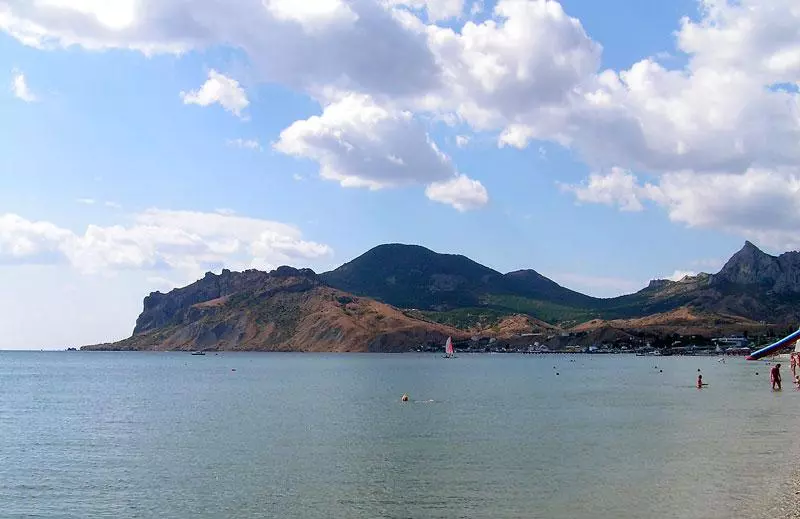 Küstenlandschaft bei Koktebel mit Meer und Karadag.
Photo: Ilya
Küstenlandschaft bei Koktebel mit Meer und Karadag.
Photo: Ilya
Overview and travel character
Seaside resorts, port cities, mountains, palaces, wine regions, and waterfront promenades feature in many older travel accounts of the region. When planning, it is important to consider distances, time of year, transport, and onward destinations together. Depending on the area, short city journeys, long rail trips, substantial distances, and seasonal conditions can significantly affect the itinerary.
For travel planning today, the political and security situation, entry routes, insurance, and official advisories must be checked. Realistic planning means choosing a few fixed stops and allowing time between them for transitions. This helps with arrival days, longer bus or train journeys, and areas where weather, the season, or local holidays can alter the day’s plans.
Cities, landscapes, and culture
Yalta, Sevastopol, Alushta, Feodosia, Sudak, Simferopol, and smaller coastal towns are important regional reference points. A good itinerary combines well-known places with quieter stretches. Capitals, old towns, museums, and markets provide orientation, while coasts, mountains, rivers, lakes, or spa towns change the pace and make a trip feel less packed.
Today, Crimea should not be planned as an ordinary beach destination; it should only be considered after a very careful assessment of current conditions. It is especially helpful to give each day a clear focus. A museum, a neighborhood, a viewpoint, or a stretch through the countryside is more memorable than an itinerary that tries to fit too many stops into a short time.
Routes and combinations
Within the region, the coast, mountains, and cities can be combined thematically where travel conditions make this practical. Yalta Simferopol Sudak The best combinations follow actual transport routes and connect nearby themes. A country page helps with orientation, but does not replace checking individual routes, places to stay, and seasonal connections.
Before planning, check transport routes, border requirements, accommodation availability, and any short-notice restrictions again. For tours, two to four well-chosen bases are often more comfortable than changing location every day. From there, excursions, city visits, and nature destinations are easier to combine. If traveling by car, consider parking and road conditions; for buses and trains, frequency, transfers, and return connections matter more than straight-line distance.
When to travel and practical tips
Summer is traditionally the beach season, while spring and autumn are more pleasant for landscapes and cities, but current conditions remain decisive. Spring and autumn are often well suited to city visits, touring, and active days outdoors. Summer is especially suited to the coast, lakes, long evenings, and mountain areas, but can put greater pressure on accommodation and transport. In winter, short outings, museums, cafés, thermal baths, and winter-sports resorts become more important.
Before booking, check current entry advisories, timetables, opening hours, public holidays, local rules, and weather conditions. For border areas, national parks, islands, mountain routes, and historic sites, it is worth checking again shortly before departure. Leaving some flexibility in the daily schedule is not a drawback; it allows for spontaneous discoveries and breaks. For Crimea, accommodation options should be checked against the main daily routes and realistic rest periods.
Planning carefully for travel to Crimea
Crimea requires especially careful consideration in any travel planning, because its political situation, accessibility, and practical conditions cannot be treated as those of a typical beach destination. The peninsula remains diverse in character, with the Black Sea, the Crimean Mountains, historic places, winemaking traditions, and a history of spa tourism. It is therefore important for readers to distinguish between the two: geographical and cultural context can help explain the region, but it does not replace current security and entry advisories. Anyone comparing Crimea with other destinations in Ukraine should also consider Odesa and cities in western Ukraine for context.
Planning trips by region and stages
A good trip begins with understanding the destination area. Cities, landscapes, historic places, and transport hubs should not be treated as an arbitrary list. Two to four accessible bases are usually easier to manage than changing location every day. Before booking, check current official guidance on entry, safety, transport, opening hours, and local rules. For Crimea, accommodation options should be checked against the main daily routes and realistic rest periods.
For city trips, proximity to a train station, convenient central routes, and reliable transport links are often more important than a small price advantage on the outskirts. For nature and regional trips, consider services, excursion routes, and the return journey. Families and travelers who prefer a slower pace are better off planning one main activity, one flexible addition, and a break. For thematic orientation, see Russia, Ukraine, Belarus, the Golden Ring, Crimea, and more of Eastern Europe. These references do not replace current checks on transport or safety. For Crimea, accommodation options should be checked against the main daily routes and realistic rest periods.
Practical choices
The best leg of a trip depends on its purpose. Those interested in cities should plan cultural visits around short journeys; nature lovers should check the weather, daylight hours, and available services. For long distances, allow a full day for travel. Timetables and access arrangements may change, so checking official information immediately before departure should be part of the preparations. For Crimea, departure points, transfers, and return journeys should therefore be planned around the specific day’s itinerary.
Accommodation should not be chosen on price alone. Consider access to transport, places to shop, return routes, and whether the location suits the day’s plans. On a tour, a consistent rhythm of moving between places makes it easier to stay oriented. A few well-prepared destinations are more rewarding than an overloaded itinerary. These principles also apply when plans change at short notice and help keep travel responsible and flexible. For Crimea, accommodation options should be checked against the main daily routes and realistic rest periods.
Practical guidance for Crimea
Crimea brings coastal landscapes, mountains, and historic townscapes together in a compact area, but it should not be treated as a single destination with uniform, stable conditions when planning a trip. Koktebel, Sudak, and other places offer different landscape experiences. Useful research therefore begins by asking what kind of place you are looking for: the sea and coast, hiking areas, urban history, or a quiet stay. Distances should be assessed not just on a map but in light of the transport options currently available.
For any specific trip, check current official guidance on safety, entry, transport, and border and access rules. This applies to sights, beaches, museums, and hiking trails as well. Historical and geographical information is no substitute for these checks. Confirm accommodation, services, and the return journey independently and close to the time of booking.
For planning purposes, a limited itinerary with one fixed base and enough time for changes is recommended. Linked pages can help put Ukraine, Russia, and related topics in context, but do not guarantee current accessibility. When comparing offers, check for verifiable contact details, cancellation terms, and the property’s actual location. This keeps travel planning transparent and avoids claims that cannot be substantiated without current primary sources.
Checklist for your own preparations
Before settling on a leg of the trip, check which documents, payment methods, and communication options you will need. Then confirm the specific connection, accommodation address, and a viable alternative. For a day trip, note the return journey, weather, and available services together. This order makes clear which details are confirmed and which need to be checked again shortly before departure. For Crimea, accommodation options should be checked against the main daily routes and realistic rest periods.
If traveling with children, older people, or a lot of luggage, allow extra time for breaks and avoid tight connections. A quiet base can be more valuable than a packed schedule. Even on a short trip, it makes sense to save important information offline and share a rough itinerary with someone you trust. These are general planning tips, not guarantees about local conditions. For Crimea, routes, breaks, and the capabilities of everyone traveling together should be planned as a whole.
It is also worth briefly comparing your priorities as part of your personal preparations: location, time required, return journey, costs, and flexibility should all be considered together. A short written checklist prevents one appealing place from dictating the entire route. Only use binding information after checking current official sources and information directly from providers. For Crimea, departure points, transfers, and return journeys should therefore be planned around the specific day’s itinerary.
When considering a trip to Crimea, assess the coast, cities, mountains, and historic sites separately. Yalta, Sudak, Sevastopol, and Simferopol represent different landscapes, distances, and travel purposes. Koktebel and the information about beaches in Crimea add a coastal perspective, but do not guarantee that stays there are currently possible.
Before taking any concrete steps, check entry requirements and documents, travel safety, getting there and transport, and travel preparations using current official guidance. For nature and cultural interests, nature and landscapes and culture and history can help you choose a focus. If accessibility or the security situation cannot be reliably confirmed, keep the trip as a historical point of interest for now or postpone it.
Conclusion for travel planning
Crimea is significant for its landscapes and history, but today it requires especially careful, up-to-date, and responsible travel planning. Planning around your interests makes it easier to find the right balance of well-known places, regional culture, and quieter stretches. This turns an overview into a useful basis for a trip that works in terms of timing, theme, and geography.
