
Enjoy mountains and mountain landscapes mindfully
Mountains and mountain landscapes can be experienced in many ways: from a valley town, on a scenic drive, beside a lake framed by mountains, or on a hike. Not every mountain trip has to be sporty. When choosing a destination, consider the scenery, elevation, accessibility, the kinds of routes you want, and how much relaxation or activity you’d like during your stay.
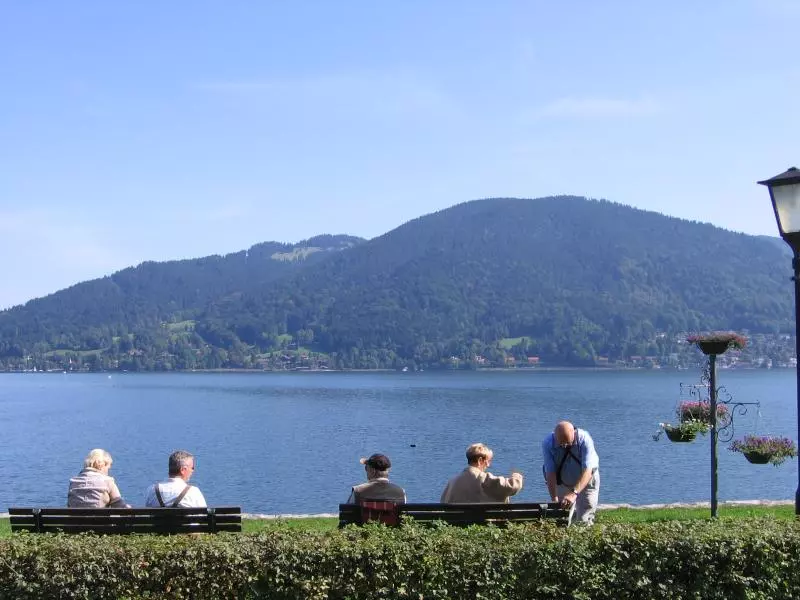 Menschen am See mit bewaldetem Berg im Hintergrund als Bild für Gebirgslandschaften und ruhige Reiseerlebnisse.
Photo: Rainer Lenk
Menschen am See mit bewaldetem Berg im Hintergrund als Bild für Gebirgslandschaften und ruhige Reiseerlebnisse.
Photo: Rainer Lenk
Quick facts: Mountains and mountain landscapes
- Mountain ranges can bring rapid changes in weather, temperature, visibility and daylight over short distances.
- Valleys, passes, plateaus and summits each pose different requirements for getting around and exploring.
- You can enjoy a view without a long hike if you choose the right town, cable car or scenic route.
- Elevation gain and trail conditions matter more for planning than distance alone.
- Spring, summer, autumn and winter reveal the same landscape under very different conditions.
- Rest days and alternative activities make mountain trips more accessible to people of different ages and fitness levels.
Distinguishing landscape types and the feel of a trip
A forested low mountain range feels very different from rugged high mountains or a vast plateau. Forests and lakes are often ideal for walks, while scree, exposed trails and high elevations call for more careful preparation. Before booking, decide whether the trip should focus mainly on panoramic views, observing nature, culture in mountain towns or more challenging hikes.
The Durmitor and the Apuseni Mountains are examples of very different mountain landscapes. Zakopane combines a well-known mountain town with a variety of travel interests, while the active holiday in Sochi highlights the transition between coast and mountains. The highlands around Lake Sevan add an open landscape at a distinctive elevation to these examples.
When to go and what to expect from the weather
The best time to visit depends on the destination and the experience you’re looking for. Higher elevations can be pleasant in summer, but thunderstorms and rapid weather changes are still possible. In autumn, changing colours and shorter days alter the pace of a trip. Winter brings snow and winter sports to the fore, while in spring trails at higher elevations may not yet all be accessible.
Check current weather forecasts, local advisories and whether trails or cable cars are open shortly before setting out. Good planning doesn’t require every viewpoint to be accessible. In fog or rain, a valley trail, museum, café or extra rest day may be a better choice. Those looking for an active trip can consider cycling tours in Kyrgyzstan as a trip in their own right; for snow, a ski holiday in Slovakia offers a different focus.
Accommodation and trails
A valley town with shops, public transport and several short excursions may suit a mixed-ability group better than a remote place to stay. If you plan to drive to a different starting point each day, allow for travel time, parking and a weather buffer. Staying in one place means fewer transfers and more time to enjoy the scenery and take spontaneous breaks.
For easy trails, sturdy footwear, weatherproof clothing, water and a navigation aid are often enough. More demanding routes call for careful assessment and suitable equipment. Nature regulations, closures and consideration for wildlife apply whether a trail is short or long. For more ideas on nature and landscapes, activities and holiday ideas, see how you can combine different interests.
Enjoying mountain landscapes at an unhurried pace
A mountain can look quite different from a valley, from a lakeshore or during a short drive than it does from a summit trail. Taking things slowly helps you notice the transitions between forest, meadows, rock and settlements, and gives you a better sense of the landscape. This makes mountain trips appealing even to people who don’t plan to take a long hike. A local museum, cable car or historic site can complement a stay in nature.
If you’re staying for several days, it’s worth avoiding a fixed schedule that assigns every viewpoint a specific time. Light and weather affect visibility, and a place may look quite different the following morning. A flexible day lets you take a panoramic route when skies are clear or stay in the valley when it rains. If you’d like to be more active afterwards, you could add a section of a cycling trip itinerary or a suitable hike from the activities.
Getting there also shapes your impression of a mountain region. A leisurely train or bus ride, a short transfer and a walk to the first viewpoint may feel more in keeping with the place than several car journeys every day. Where a car is necessary, check parking, tolls, fuel stops and the return journey in case the weather changes.
FAQ
Does a mountain trip have to be sporty?
No. Viewpoints, mountain towns, lakes, scenic routes and short walks can be the main focus.
When is the best time to visit the mountains?
It depends on the landscape and the activities you have in mind. Hiking, sightseeing, winter holidays and observing nature each have their own ideal seasons.
How can I avoid packing in too much?
Staying in one place, choosing only a few destinations each day and allowing extra time for weather changes create a more relaxed pace.
