
Experience rivers, waterfalls, and gorges safely
Rivers, waterfalls, and gorges change with the weather, the seasons, and water levels. A trail that feels easy on a dry day may become slippery or flooded after rain. When planning a trip, the destination is not the only thing to consider. Access, elevation changes, railings, the return route, and a safe alternative should all be considered together before setting out.
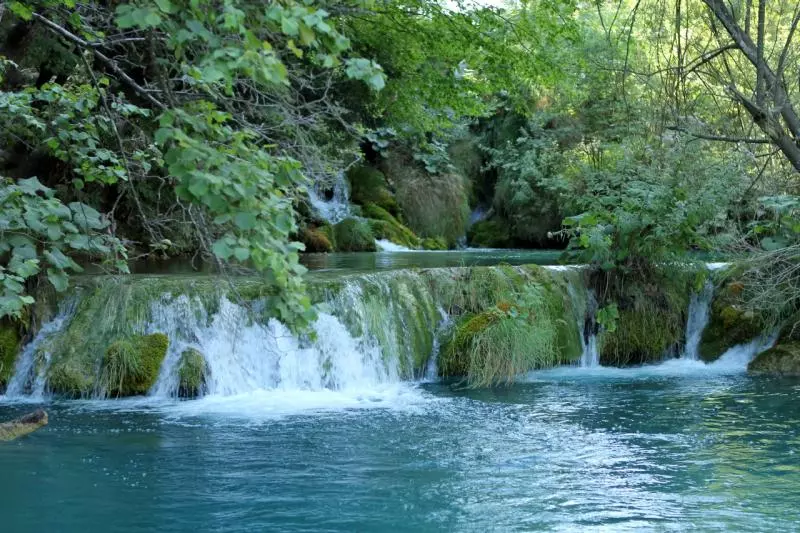 Mehrere kleine Wasserfälle und türkisfarbenes Wasser zwischen dichtem Wald als Bild für Flüsse und Wasserfälle.
Photo: Dago
Mehrere kleine Wasserfälle und türkisfarbenes Wasser zwischen dichtem Wald als Bild für Flüsse und Wasserfälle.
Photo: Dago
Quick facts: Rivers, waterfalls, and gorges
- Water levels and currents can change quickly after rain or snowmelt.
- Gorges concentrate shade, dampness, and slippery stretches; temperatures can be much lower than in nearby towns.
- Waterfalls are often accessible via boardwalks, viewpoints, or short trails, and do not necessarily require a long hike.
- Marked trails and barriers help protect visitors from falls and flooding, and safeguard sensitive riverbanks.
- Water shoes or lightweight clothing are no substitute for carefully assessing the current and the terrain.
- Good planning includes extra time, drinking water, dry clothes, and a return route that does not require rushing.
Choosing a river landscape or gorge
A broad river is often ideal for walks, viewpoints, and spots by the water. A gorge appeals to travelers who want to experience rock walls, narrow paths, and changing light. Waterfalls may be part of a nature park, a short loop hike, or a longer day trip. Before choosing, decide whether the focus is on scenery, exercise, photography, or a short, family-friendly route.
The Danube Delta features an extensive network of waterways, while the Croatian islands combine coastline, coves, and ferry routes. For mountain scenery, consider Durmitor and the Apuseni Mountains. Those hoping to see a waterfall in a protected landscape will find a well-known example, with clear rules, at the Plitvice Lakes.
Take the weather and water levels seriously
Before setting out, check rainfall over the past few days, the latest forecast, and any notices from the park or local authorities. In a thunderstorm, flood conditions, or poor visibility, a viewpoint in town may be the better choice. Rock and wooden boardwalks often remain slippery long after rain. Even in summer, the water can be cold; a picturesque photo is no reason to assume that swimming or climbing along the riverbank is safe.
A small bag with water, snacks, rainwear or a change of clothes, and a charged way to call for help is useful on many trails. In gorges, allow plenty of time for the return, since oncoming hikers, breaks, and photo stops all take time. The pages on leisure and activities and nature and landscapes can help you combine your trip with other types of activities.
At waterfalls and in gorges, the return journey is also part of staying safe. After a long outing, do not start an unfamiliar side trail if daylight is fading or the weather is getting worse. For groups with different walking speeds, it may help to agree on a meeting point and return separately. If you are traveling by public transport, check the last departure before you reach the end of the trail.
A nature park may have several access points and loop trails, which can vary in availability due to flooding or construction work. On site, consider maps, closure notices, and the actual condition of the trail together. Photos from another season may not reflect current conditions. A short, safe route with good views is often a better choice than a longer stretch that is only manageable in ideal conditions.
Visiting with children and people with different needs
Families benefit from short trails, safe viewpoints, and a clear plan for breaks. A spectacular waterfall is not necessarily accessible to strollers or inexperienced hikers. No one in a group should be pressured into taking a risky route along the water. A place with a café, museum, or recreational facilities can still make for a successful trip if the planned route is off limits.
When choosing accommodation, practical considerations include somewhere dry to store shoes and clothes, good transport links, and an easy way back. If you arrive by car, use designated parking areas and avoid driving right up to sensitive riverbanks. A longer stay can be combined with regional specialties and other vacation ideas, without having to visit a waterside destination every day.
Staying near a river makes early outings easier, but may call for extra caution during high water. For a gorge visit, dry shoes, accommodation with an easy return route, and an accessible emergency contact are practical considerations. If you are traveling without a car, check whether buses or trains run to the trailhead and when the last service back departs. That way, even a short walk can be planned with confidence.
Take local conditions into account when planning your trip. Boardwalks, riverbanks, and rocky paths are not accessible everywhere, and closures may change after storms or flooding. A viewpoint is not automatically a safe place to swim or climb. For families and older travelers, seating, toilets, shade, and a short return route are often more important than finding the most remote waterfall.
FAQ
When are waterfalls at their most impressive?
It depends on rainfall, snowmelt, and the specific waterway. High water levels can make the view more dramatic, but may also make trails unsafe.
Can I swim in a gorge?
Only if swimming is expressly permitted and it is safe to do so. Currents, cold water, rocks, and sudden rises in water levels make impromptu swimming spots dangerous.
What shoes are suitable?
Sturdy shoes with good grip are suitable for many trails. For more challenging sections, also take the route description, weather, and your own experience into account.
