
Visit Protected Areas Considerately
Protected areas are not ordinary day-trip destinations. Trails, waterways, forests and wildlife are subject to special rules that can vary from one country or area to another. So when visiting a national park or nature reserve, don’t just expect a scenic view or a wildlife sighting; be prepared to be considerate, take your time and adapt to changing conditions.
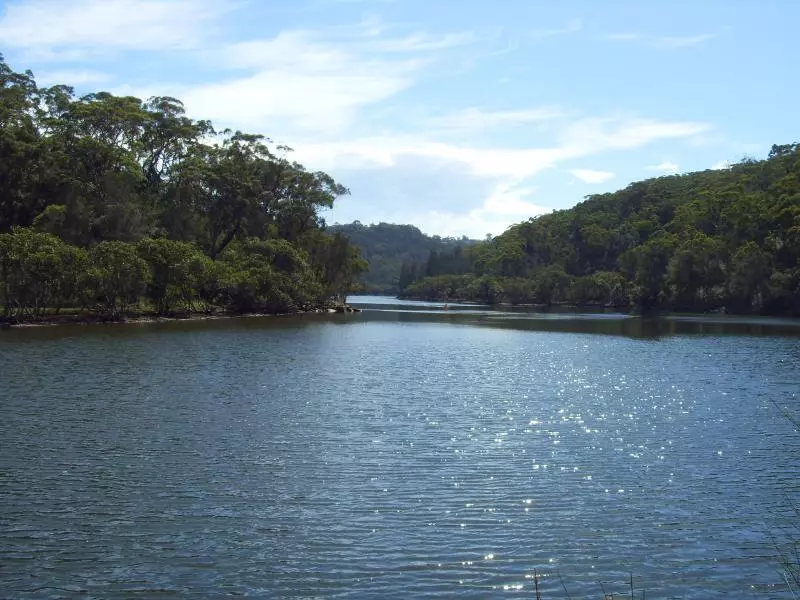 Fluss durch ein bewaldetes Tal als Bild für geschützte Landschaften und Naturbeobachtung.
Photo: Markus
Fluss durch ein bewaldetes Tal als Bild für geschützte Landschaften und Naturbeobachtung.
Photo: Markus
Protected Areas: Quick Facts
- Protected areas may include national parks, nature parks, reserves, wetlands or coastal landscapes.
- Marked trails and local guidance take precedence over shortcuts of your own choosing.
- Observe wildlife from a distance, and do not feed or disturb animals.
- Weather, water levels, seasons and access rules can affect trails and services.
- Staying outside the protected area may be a practical choice if it makes transport and supplies easier.
- You don’t have to pack special landscapes with as many activities as possible; often, quiet is part of the experience.
Get to Know the Area Before You Go
Before your visit, find out about the area’s size, landscape and permitted activities. A wetland calls for different preparation than a high mountain range or a coastal island. Some areas can be explored via short trails, while others require a boat, shuttle or a full day. For your specific trip, check the official website, current notices and how to reach the entrance.
The Danube Delta is known for its abundance of water, while the Apuseni Mountains are characterized by mountains, forests and caves. Durmitor and the Plitvice Lakes show how much terrain and visitor routes can affect your plans. The Brijuni Islands also bring together nature, an island setting and special conditions for visitors.
Rules Are Part of the Experience
Leash requirements, restricted areas, fire regulations, drone restrictions and seasonal closures are not minor details. They protect habitats and make visits more enjoyable for everyone. Take your rubbish with you and keep noise to a minimum. When taking photos, don’t leave the trail to get a shot or lure animals closer with calls or food.
In wetlands and around lakes, water levels, mosquitoes, mud and changing shoreline conditions can determine your route. In the mountains, there is also the risk of rockfalls, fog and sudden changes in the weather. More examples of natural areas include nature reserves in Belarus, the Baikal-Lena Nature Reserve and Lake Sevan. Check the conditions for each area separately before your visit.
Expectations and Wildlife Watching
A protected area cannot guarantee a particular wildlife sighting or unobstructed views. Light, season, water levels and animal behavior are unpredictable. A trip is often more enjoyable when the landscape, sounds and small discoveries matter just as much as that perfect photo. Binoculars, weatherproof clothing and patience are often more useful than a long list of planned stops.
When choosing accommodation, look for short travel times, the option to arrive early and reliable access to supplies. Staying outside the protected area can reduce pressure on it and make your own plans easier. Information about nature and landscapes introduces other types of landscape, while more vacation ideas may help if a protected area doesn’t suit your pace.
Plan Your Journey and Visit Considerately
Your choice of entrance and transport can affect the pressure on an area. Where buses, trains, shuttles or shared transfers are available, consider using them. If driving, follow the designated parking and local access rules. An early start is not automatically better if it puts too much pressure on sensitive areas; follow the park authorities’ guidance and take current conditions into account.
Shopping and overnight stays are also part of your trip. Local businesses can support your visit, but that does not mean you should assume the overall impact on the community will be positive. If you’re staying longer, you can choose several short outings instead of trying to cram everything into a hectic day. When it comes to animals, plants and waterways, restraint matters more than getting the closest possible photo. That way, wildlife watching becomes a peaceful part of your trip rather than an additional burden on nature.
Popular areas may temporarily restrict access or manage visitor numbers. Plan your trip so you can take another route or visit at a later time if needed. This protects the landscape and prevents your trip from depending on a single expectation.
Even for a short visit, allow a little extra time and bring spare water and clothing. That leaves room for breaks and unexpected changes without breaking the rules or entering sensitive areas.
FAQ
What should I keep in mind in a protected area?
Follow local rules and marked trails, keep your distance from animals and take your rubbish with you. On-site guidance may add to general expectations at any time.
Can I take photos freely there?
Usually, but not everywhere or in every way. Follow trail and drone rules, respect privacy and keep your distance from animals.
How should I plan a visit with children?
Short walks, breaks, water and a realistic goal are more helpful than a packed day’s itinerary. Explain the rules clearly before setting out.
