
Baikal-Lena Nature Reserve: Taiga, the Lena, and a Protected Area
The Baikal-Lena Nature Reserve was established in 1986 to protect the extensive taiga and lakeshore landscapes around Lake Baikal. Its protected status represents the preservation of largely untouched nature and should not be reduced to the outcome of a single transport or infrastructure decision.
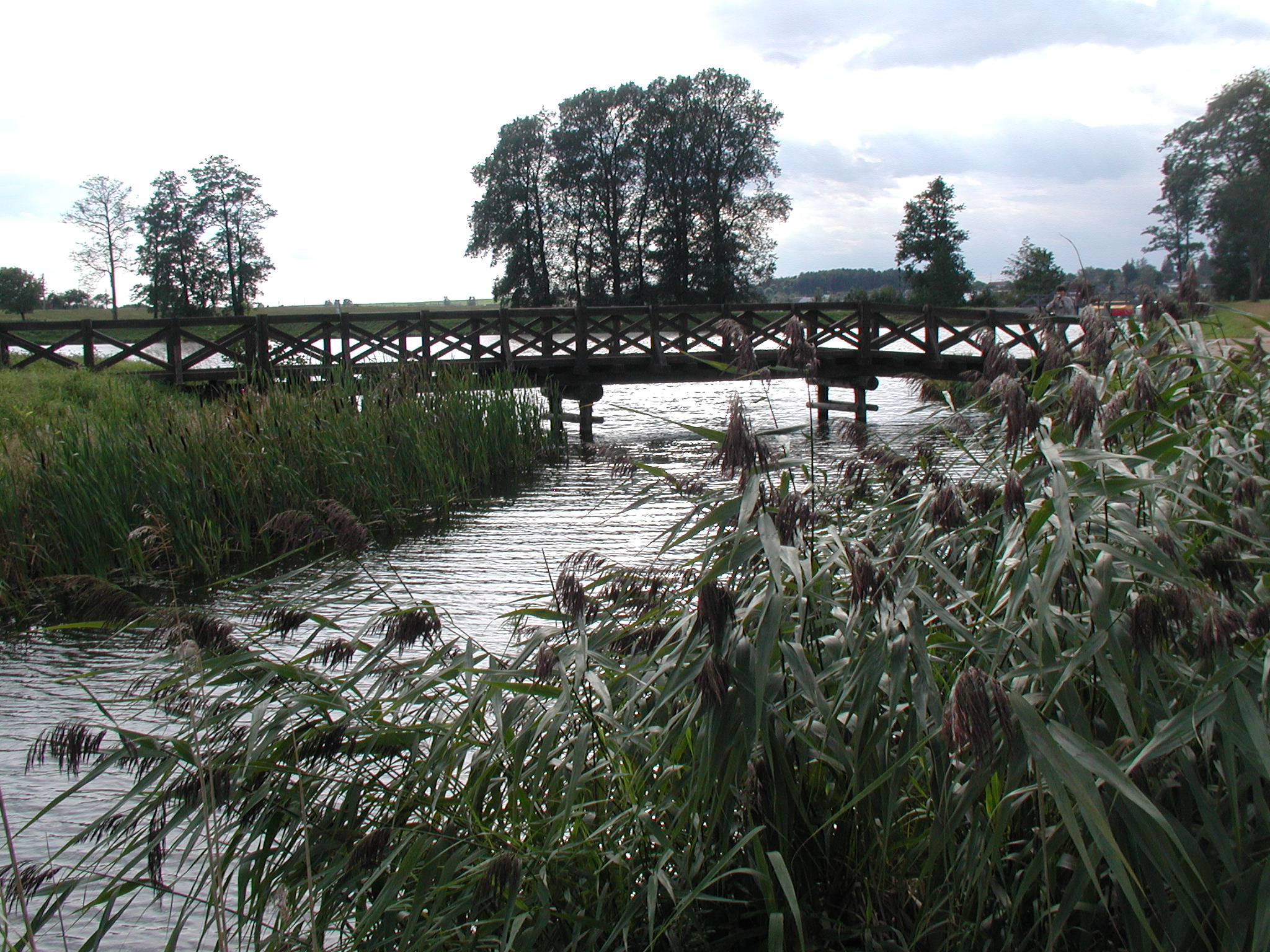 Ruhige Wasserfläche mit bewachsenem Ufer, Bäumen und einer kleinen Brücke.
Photo: Markus Lenk
Ruhige Wasserfläche mit bewachsenem Ufer, Bäumen und einer kleinen Brücke.
Photo: Markus Lenk
Quick facts: Baikal-Lena Nature Reserve
- The Baikal-Lena Nature Reserve is in Irkutsk Oblast, on the northwestern shore of Lake Baikal.
- Established in 1986, the protected area belongs to Russia’s strictest category of protected areas.
- Taiga, the shores of Lake Baikal, rivers, and richly varied landscapes define this extensive reserve.
- The source of the Lena River lies within the reserve.
- The Baikal-Lena region is part of the UNESCO natural heritage area around Lake Baikal.
- Check access, permits, conservation rules, weather, and current travel conditions before making any plans.
Barguzin Nature Reserve
The establishment of the reserve followed the curtailment of an older nature reserve—the Barguzin Nature Reserve—and decades of half-hearted efforts to protect the ecologically unique Baikal region. Biologists and ecologists repeatedly ran up against administrative and economic obstacles. When the Council of Ministers of the Russian Soviet Federative Socialist Republic finally made its decision in 1968, there were fears it had come too late: by the 1970s, vast areas had already been destroyed by the construction and operation of the Baikal-Amur Mainline, while other parts had been severely affected by slash-and-burn clearing and poaching.
The creation of the nature reserve helped protect several plant and animal species from extinction. Today, more than 2,000 Siberian plant species are found in the Baikal-Lena Nature Reserve, from mighty cedars to tiny mosses and lichens.
UNESCO World Heritage
Today, the nature reserve extends along the western shore of Lake Baikal, from Cape Onkholoi in the south to Cape Yelokhin in the north. The Lena River rises within its territory. In December 1996, the Baikal-Lena Nature Reserve, together with two other Russian nature reserves (Barguzin and Baikal), was added to the UNESCO World Heritage List. The reserve is a “Strict Nature Reserve/Wilderness Area”—a nature reserve in the strictest protected-area category, established primarily for research or to protect a vast, undisturbed wilderness area.
One of Siberia’s largest protected areas
The Baikal-Lena Nature Reserve is one of Siberia’s largest protected areas, with a particularly large population of bears—the lords of the taiga. The area covers 6,599 square kilometers and is part of the UNESCO World Heritage site.
Of course, bears are not the only animals worth noting. Musk deer, roe deer, foxes, and lynx also live in the reserve. The Baikal seal is found here too—a unique seal species that lives in freshwater.
The diversity of remarkable bird species is equally sure to captivate nature lovers. Black stork nests, as well as the nests of white-tailed eagles and black vultures, can be found in various parts of the reserve.
All this nature in the Baikal region?
The landscape is another reason for the Baikal-Lena Nature Reserve’s appeal. Mountains, steppes, forests, and lakes—at every turn, travelers can admire new natural wonders of the Lake Baikal region. It is one of the few places on Earth where nature has remained as it was many centuries ago.
Tourism in the Baikal Mountains?
The 50 animal species found here are a major reason for ecotourists to visit the protected area. Photo safaris and research trips are especially popular among tourists visiting Siberia and the Baikal region.
In practice, the nature reserve is not well set up for tourist access. Only a few hiking trails have been laid out, where visitors can venture into the Baikal Mountains with an experienced guide. Many parts of the reserve can be reached only via Lake Baikal—by boat in summer and by sled in winter. There are no large cities nearby; even the reserve administration is in Irkutsk, some 300 kilometers away.
Putting the protected area, taiga, and lakeshore in context
The Baikal-Lena Nature Reserve is an extensive protected area on the northwestern shore of Lake Baikal. A geographical and historical overview of the reserve provides more information about its location, establishment, and protected status. The broader natural region is described in the UNESCO entry for Lake Baikal.
Taiga, shores, river courses, and the source of the Lena each have their own natural-history context. For a regional overview, see Lake Baikal, Siberia, Olkhon, and Maloe More. Sagan Saba and Listvyanka offer distinct landscape highlights.
A strict nature reserve is not a freely accessible landscape park. Trails, permits, research protections, weather, supplies, and possible modes of transport should be assessed only on the basis of current information from the relevant authorities. Irkutsk may serve as a starting point for the onward journey, but allow ample time for distances and the return trip.
Before committing to a trip, check Getting there and transport, Travel preparation, Travel checklist and schedule, Travel safely, and the latest travel and safety advice for the Russian Federation. The area’s natural significance does not replace the need for access authorization.
Baikal-Lena Nature Reserve FAQ
Where is the Baikal-Lena Nature Reserve?
It is in Irkutsk Oblast, on the northwestern shore of Lake Baikal in Siberia.
Why is the area important?
The reserve protects taiga, lakeshore landscapes, rivers, and an extensive wilderness area. The source of the Lena is also located there.
Can visitors enter the reserve freely?
You should not assume so. Check the protected status, permits, authorized trails, weather, and current safety conditions with the relevant authorities.
What is its connection to UNESCO?
The reserve is part of the natural region within the UNESCO World Heritage site around Lake Baikal. The World Heritage designation describes the area’s conservation value, but does not replace permission to visit.
