
Kukës on Lake Fierza – City History, Culture and Nature
Accommodation in Kukës
Kukës lies on the shore of Lake Fierza at the foot of Mount Gjallica. Lake Fierza is considered Kukës’s most important tourist attraction and offers impressive views. At the same time, the city has an elongated, peninsula-like shape: the lake and a park forest surround Kukës on three sides.
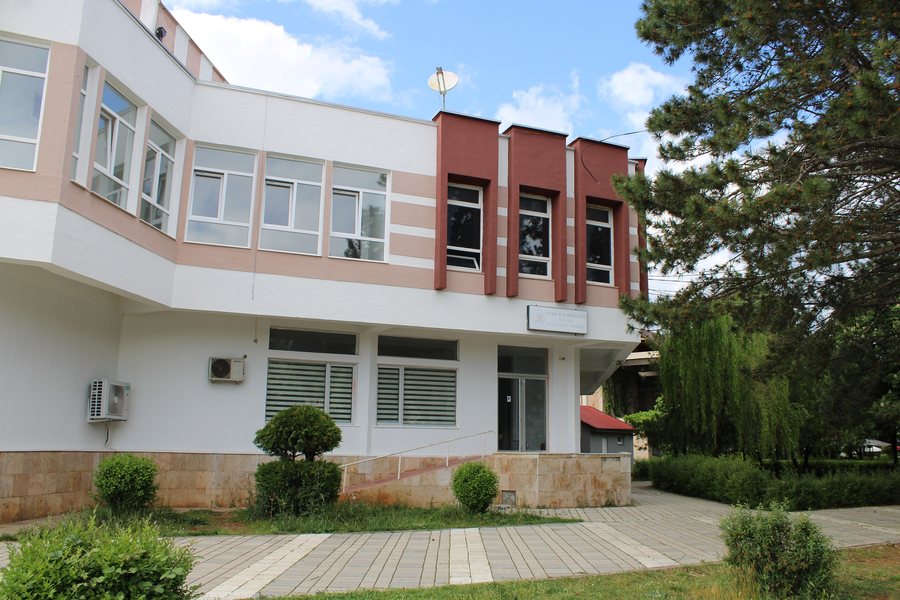
Cityscape
Today’s New Kukës was built by the residents of Kukës in less than ten years. The foundation stones of New Kukës were laid on July 22, 1962. The city center lies on the eastern side of the lakeshore, where Kukës also has a lakeside promenade. The plan called for a rectangular street grid dividing the city into residential blocks. Kukës’s road network connects the city with Tirana, Dibër, Tropojë, Mirditë, Shkodër and Kosovo.
Culture and History
The Kukës Ethnographic Museum is located in the city center. It is divided into three pavilions: biodiversity, archaeology and ethnography. Visitors can reach the museum on foot or by vehicle. Kukës’s ethnographic heritage includes traditional clothing, songs, dances and musical instruments.
Beneath the city lies the underground tunnel complex of Kukës, approximately 30 meters deep; it was built between 1979 and 1992. The underground tunnels of Kukës are considered evidence of Albania’s Cold War era. The Kosovo Exodus Memorial is also part of the city’s recent history. It was built in 2009 by former Kosovar refugees to mark the tenth anniversary of their return from exile. The memorial includes a kind of replica of a fortified tower, a kulla, intended to symbolize both Albanian hospitality and determination.
Nature and Trails
The Great Bridge of Kukës offers views of the Black Drin and Lake Fierza and is suitable for photography. The Shkalla e Keqe gorge is described as a natural monument with a depth of approximately 1,000 meters and a narrowest point of 3 meters; it can be seen with the naked eye from Kukës city center.
The Beleve Waterfall is located in the area around Kukës, approximately 14 kilometers from the city. A path of about 180 meters leads from the main road to the waterfall. Also in the surrounding area is the Green Path agritourism operation, 4 kilometers from Kukës, which combines nature, aquaculture and traditional cuisine.
In the wider regional surroundings of Kukës, the alpine Path of Colors runs for approximately 18 kilometers between Shishtavec and the Korab Plateau. The hike usually takes 6 to 7 hours. A hiking route has also been opened there connecting Bele Waterfall, Zbinec and Zbinec Pass. An interactive ECOROUTES app offers guided tours for exploring the nature and cultural heritage of the Kukës and Rahovec regions.
Regional Cuisine
The traditional cuisine of the Kukës region includes regional flatbreads such as flija, as well as raki, honey and homemade dairy products. Traditional Kukës dishes also include fish from Lake Fierza. At the Green Path agritourism operation, this culinary tradition is combined with nature and aquaculture.
Other Places
Other place pages in the catalog: Tropoja, Valbonë, Bajram Curri.
To the overarching travel overview: Qark Kukës.

