
Dobrich Province
Accommodation in Dobrich Province
Dobrich Province offers a range of reasons to plan a trip: cultural sites and a large botanical garden are central to Balchik, while nature and archaeological attractions appeal to other interests. Which places you include may depend on whether you want to explore exhibitions, plant collections, or historic landscapes.
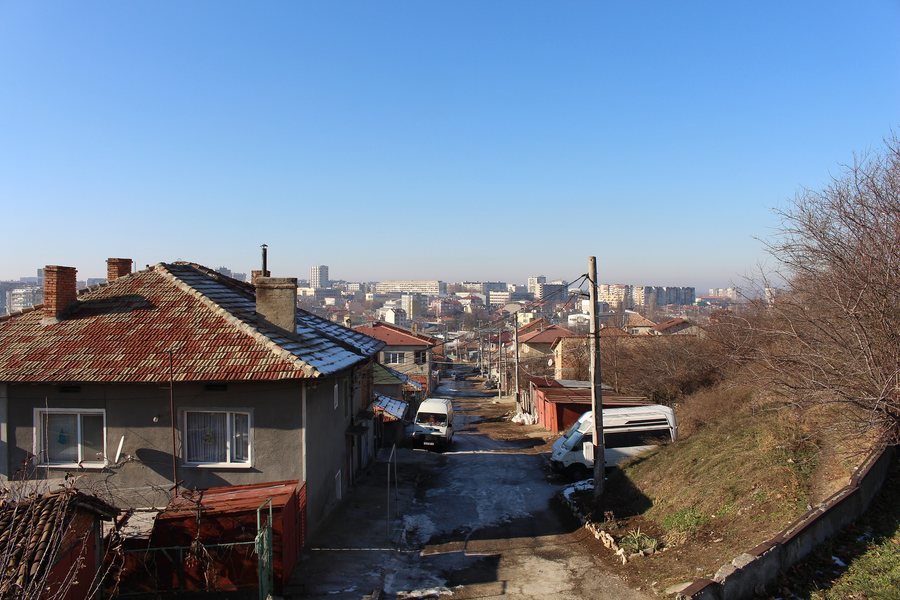 File:Dobrich, looking toward city center from Hristo Botev area.JPG
Photo: Atob37 via Wikimedia Commons, CC BY-SA 3.0
File:Dobrich, looking toward city center from Hristo Botev area.JPG
Photo: Atob37 via Wikimedia Commons, CC BY-SA 3.0
Quick facts about Dobrich Province
Balchik is home to the National Revival Complex, the Ethnographic Museum, and the University Botanical Garden. Dobrich is the site of the Center for Nature Protection and Animal Welfare. Nearby nature and historical attractions include Cape Kaliakra and the Yailata Archaeological Reserve. In Shabla, a traditional harvest festival and underwater sites associated with shipwrecks are among the attractions.
Which cultural sites can you visit in Balchik?
The National Revival Complex in Balchik brings together the Church of St. Nicholas the Wonderworker and the first Bulgarian mutual school, located in its courtyard. The complex is a cultural monument from the Bulgarian National Revival period and a historic landmark. Visitors can see a fully reconstructed classroom, the teacher’s room, and the historical exhibition “Balchik during the Bulgarian National Revival.” This visit is particularly suited to travelers interested in the history of education and the culture of this era.
The Ethnographic Museum focuses on the rural and urban culture of the Balchik region from the late 19th to the early 20th century. It preserves more than 1,500 museum exhibits covering local livelihoods, daily life, festivals, and customs. Unlike the National Revival Complex, its focus is on different aspects of regional life; the two sites therefore offer different historical themes to consider when planning your trip.
What are the gardens and natural attractions known for?
The University Botanical Garden in Balchik was established in 1955 and covers 194 decares. Its plant collections include more than 4,900 species. Its founding date, size, and number of species give you specific points of reference if you are considering making the garden a main focus of your visit. Dobrich is also home to the Center for Nature Protection and Animal Welfare, Bulgaria’s first licensed zoo, which covers 162 decares.
Nearby is Cape Kaliakra, a nature and archaeological reserve covering 687.5 decares, with wild steppes and coastal cliffs. A total of 310 bird species have been recorded there, including 106 species of European conservation concern. Cape Kaliakra is accessible by paved road; an organized parking area for buses and passenger cars is available, as are signs to the site and within it. This information can help you consider the nature reserve and access conditions when planning your stay.
What historic places and special experiences are there?
The Yailata Archaeological Reserve includes a cave settlement with 101 dwellings, three rock-cut necropolises dating from the 3rd to the 5th century, and a small Early Byzantine fortress from the late 5th century. Another historical highlight is the Durankulak-Hamangia Archaeological Complex, located in Durankulak in the municipality of Shabla. It includes the oldest discovered stone architecture on the European mainland.
The sea off Shabla is home to numerous ships and submarines that sank during World War II, making it a destination for underwater tourism. Shabla also hosts the traditional municipal festival “Praznik na plodorodieto,” which has been organized for more than ten years. At the harvest festival announced for 2026, guests can sample seafood delicacies prepared according to traditional local recipes. The year refers to this announced festival.
Paid access is available to Kaliakra Fortress. Guided tours are offered during the season from May to October; access is provided for people with disabilities. This information applies to Kaliakra Fortress and should not be conflated with general information about the landscape and accessibility of Cape Kaliakra.
Which subregions can you compare?
For regional orientation, you can consult the subpages for General Toshevo, Kavarna, Balchik, Shabla, Krushari, Dobrich, Dobrich-Selska, and Tervel. This lets you narrow your search for a base by subregion first, then match local travel interests with your accommodation options.
FAQ
What can you see at the National Revival Complex in Balchik?
Visitors can see a fully reconstructed classroom, the teacher’s room, and the exhibition “Balchik during the Bulgarian National Revival.”
How large is the University Botanical Garden in Balchik?
Established in 1955, the garden covers 194 decares; its plant collections include more than 4,900 species.
What are the distinctive features of the Yailata Archaeological Reserve?
The reserve includes a cave settlement with 101 dwellings, three rock-cut necropolises dating from the 3rd to the 5th century, and a small Early Byzantine fortress from the late 5th century.
For the broader travel overview: Bulgaria.

