
Kyustendil Province: Culture, Nature and Hotels
Accommodation in Kyustendil Province
In Kyustendil Province, mountain landscapes sit alongside archaeological sites, monasteries and cultural attractions in the city. When planning your trip, you can compare whether you are most interested in trails and nature, historic places or experiences in Kyustendil.
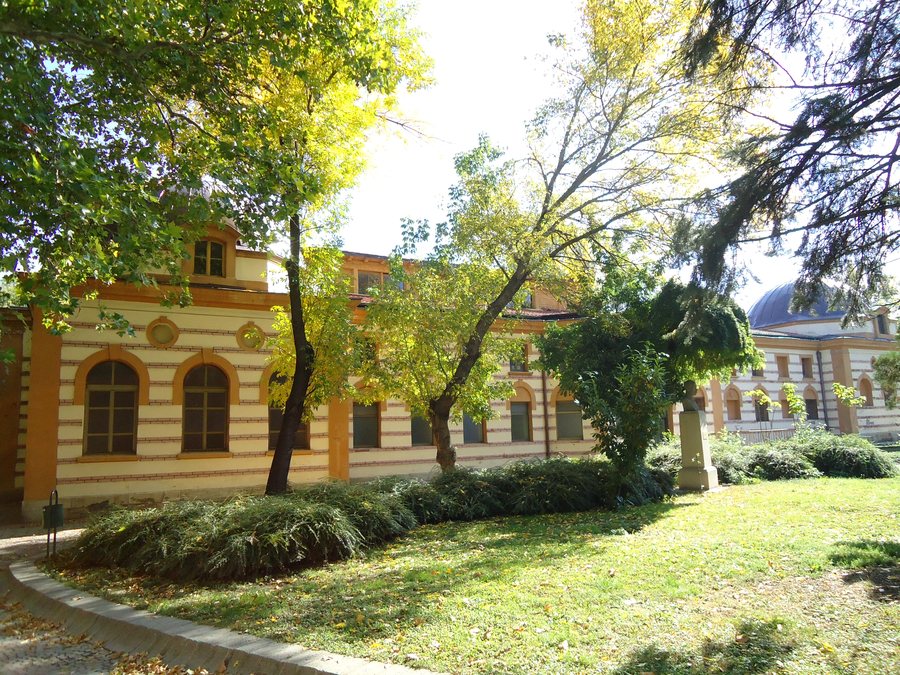
Kyustendil Province at a glance
- Sapareva Banya lies at an altitude of 983 meters in a basin between the Rila and Verila mountains.
- The Seven Rila Lakes are located in the highest part of Sapareva Banya Municipality.
- Rila Monastery has been on the UNESCO World Heritage List since 1983.
- From the summit of the Stob Pyramids, the view extends over the Rila Valley, the approach to Rila Monastery and snow-covered mountain peaks.
- In Kyustendil, there are two distinct walks, each approximately two kilometers long: one to Hisarlaka Landscape Park and the other a cultural and historical city walk.
What landscapes define the province?
Sapareva Banya’s location in a basin between the Rila and Verila mountains gives a concrete sense of the landscape: the town lies at an altitude of 983 meters. The Seven Rila Lakes are located elsewhere, in the highest part of the municipality. These two details help you understand the municipality’s mountain landscape without confusing the lakes with the basin.
Two routes are described for visiting the Stob Pyramids: a constructed eco-trail leads from the top down, while a maintained cart track leads from the bottom up. At the summit, you can see the entire Rila Valley, the approach to Rila Monastery and snow-covered mountain peaks. Polska Skakavitsa Waterfall is 51 meters high and was designated a natural monument in 1968. If you are planning a specific route, check the latest trail details.
Which cultural sites tell stories from different eras?
Rila Monastery has been on the UNESCO World Heritage List since 1983 and houses several museum exhibitions on its grounds. They cover the monastery’s millennia-old history, religious and literary activities, and economic organization in the 18th and 19th centuries. In Kyustendil, the Church of the Dormition of the Mother of God offers another example: it was built in 1816, is a cultural monument of national significance, and remains an active place of worship.
The Dimitar Peshev House Museum presents a permanent exhibition on the events of March 1943 and the role of Dimitar Peshev and his fellow citizens in saving Bulgarian Jews during the Second World War. The ancient Asklepion bath complex offers another historical perspective: it dates from the early 2nd century, covers more than 3,000 square meters and has nine excavated rooms. The St. George Museum Complex houses one of the oldest surviving churches in southwestern Bulgaria, dating from the 11th to 12th centuries.
Archaeological finds near Kremenik, in the Sapareva Banya area, also offer insight into the development of civilization in the 6th millennium BC. These finds complement the later stories told by buildings and museums with a much earlier period.
Which experiences should you distinguish when planning?
In Kyustendil, there is a roughly 40-minute walk from the city center to Hisarlaka Landscape Park. There are pavilions and benches along the route. The easy cultural and historical city walk is different: it is approximately two kilometers long and takes about two to three hours; it is intended for independent travelers, families, school groups and organized excursions. Although the distances are similar, the walks involve different time commitments and themes.
Other offerings in Kyustendil range from Pchelarnitsa at the Children of the Sun craft center to Chifte Bath. Pchelarnitsa offers educational activities, demonstrations and tastings of bee products; activity times may change. Chifte Bath is supplied with hot mineral water, is intended for balneotherapy and offers therapeutic treatments, kinesiotherapy and massages. These services may also change.
The Kentaur riding center near Kyustendil offers horseback riding and rides in nature; it operates seasonally. The city adventure park has four rope courses among the trees, with different difficulty levels, as well as an alpine zip line. Pautalia Karting Track is in the southwestern part of the city, in the immediate vicinity of Kyustendil. It has lighting and four track configurations; the longest is 1,050 meters long. Check operating details before your visit.
Festivals are also part of the cultural offering: the National Mask Festival “Jamala” takes place every February in Kyustendil. The “Kyustendil Spring” festival reimagines an old local tradition; its dates vary each year. Traditional Kukeri festivals in Sapareva Banya Municipality are also a visitor attraction.
How can you tailor your hotel search to your interests?
When searching for a hotel, first decide which themes you want your trip to focus on: mountain landscapes and trails, cultural history, a walk in Kyustendil or the mineral-water treatments described there. Then check the locations of the offerings against your own travel plans. This lets you compare hotels based on the experiences you want, without assuming that there is one ideal location for accommodation across the entire province.
To get your bearings in the region, you can select each subregion directly: Dupnitsa, Kyustendil, Sapareva Banya, Kocherinovo, Rila, Pastra, Treklyano, Panichishte, Nevestino, Boboshevo and Kyustendil.
FAQ
How do the walks in Kyustendil differ?
The walk from the city center to Hisarlaka Landscape Park is two kilometers long and takes about 40 minutes at a normal walking pace. The easy cultural and historical city walk is also approximately two kilometers long, but takes about two to three hours.
What do the museum exhibitions at Rila Monastery show?
Several exhibitions on the monastery grounds cover its millennia-old history, its religious and literary activities, and its economic organization in the 18th and 19th centuries.
When do the festivals in Kyustendil take place?
The National Mask Festival “Jamala” takes place every February. The dates of the “Kyustendil Spring” festival vary each year.
For the broader travel overview: Bulgaria.

