
Hayredin: Birdlife, local history and winter customs
Accommodation in Hayredin
Hayredin brings together birdlife, local history and winter customs tied to specific dates. The Zlatiya Protected Area provides a concrete focus for nature, while St. Paraskeva Church and the history of the Asparukh Rampart offer other perspectives.
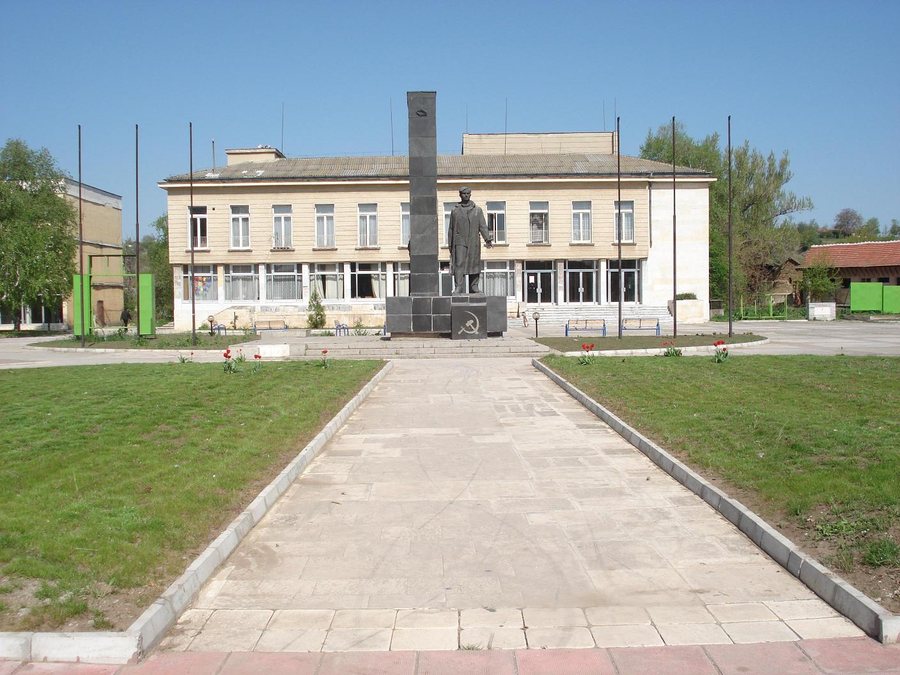
Hayredin at a glance
- The Zlatiya Protected Area (BG0002009) includes land within the territories of Manastirishte, Mikhailovo and Hayredin; the white stork is one of its protected species.
- St. Paraskeva Church was built in 1858 and consecrated on October 24, 1862.
- The Koledari visit homes at Christmas, on December 25; the water blessing for Jordanovden takes place in Manastirishte on January 6.
What characterizes the Zlatiya Protected Area?
Zlatiya is a protected area for wild birds. Land within the territories of Hayredin, Manastirishte and Mikhailovo lies within Obshtina Hayredin and the protected area. This means the area's connection with nature is not limited to the place name Hayredin, but extends across three territories within the municipality. The white stork (Ciconia ciconia) is one of the area's protected species and a specific example of its birdlife.
For a thematic focus, Zlatiya offers a clear emphasis on protecting wild birds. Local history and customs provide other ways to explore Hayredin: here, the focus is not on bird species but on a historic fortification, a church and particular feast days. This makes it possible to distinguish the nature theme from the cultural themes without conflating them.
What has shaped Hayredin's local history?
Present-day Hayredin originated in the 7th century as a garrison of the Asparukh Rampart, a fortification against Avar incursions. The term “garrison” reflects the early settlement's military role. The fortification is considered an architectural landmark and thus forms a distinct focus of local history.
St. Paraskeva Church adds two later and distinct dates to this early history: it was built in 1858 and consecrated on October 24, 1862. The year of construction and the consecration date mark different milestones and are therefore not the same event. Together, these details show that Hayredin's historical themes span the fortification history of the 7th century to the church history of the 19th century.
Which winter customs are tied to specific dates?
In Hayredin and Manastirishte, the festively dressed Koledari visit homes during the night of December 25. They sing songs for the household and family and receive ritual Christmas bread and money. This custom thus involves a specific Christmas date, nighttime house visits and particular gifts.
On January 6, Jordanovden, a different custom takes place in Manastirishte: water is blessed by throwing a holy cross into it, which particularly brave men then retrieve from the cold water. The two customs differ in both date and location: the Koledari are associated with December 25 and with Hayredin and Manastirishte, while the water blessing is associated with January 6 and Manastirishte.
How can you plan your hotel stay around your travel theme?
If you want to travel for a winter custom, December 25 or January 6 are clear dates to plan around. Confirm that the custom will take place in the year concerned before booking. If you are interested in birdlife or local history, you can first decide on your main theme and then plan your travel dates.
You can also consider Rogozen when looking for a destination. Discover more destinations: Mezdra, Oryahovo, Krivodol, Borovan, Vratza.
FAQ
Which territories are included in the Zlatiya Protected Area?
Land within the territories of Hayredin, Manastirishte and Mikhailovo lies within Obshtina Hayredin and the protected area. The white stork is one of the protected bird species.
When was St. Paraskeva Church built and consecrated?
The church was built in 1858 and consecrated on October 24, 1862.
When do the winter customs mentioned here take place?
The Koledari visit homes at night on December 25 in Hayredin and Manastirishte. The water blessing for Jordanovden takes place in Manastirishte on January 6.
For the broader travel overview: Vratsa Province.

