
Municipality of Lasinja – Kupa, cycling routes and cultural history
Accommodation in Municipality of Lasinja
The Municipality of Lasinja lies in a lowland landscape on the right bank of the Kupa. Riverbanks, cycling routes and a rich cultural heritage define the area—from the history of the Lasinja Culture to the Ethno Museum. The distinctions below can help you choose what to focus on during your stay.
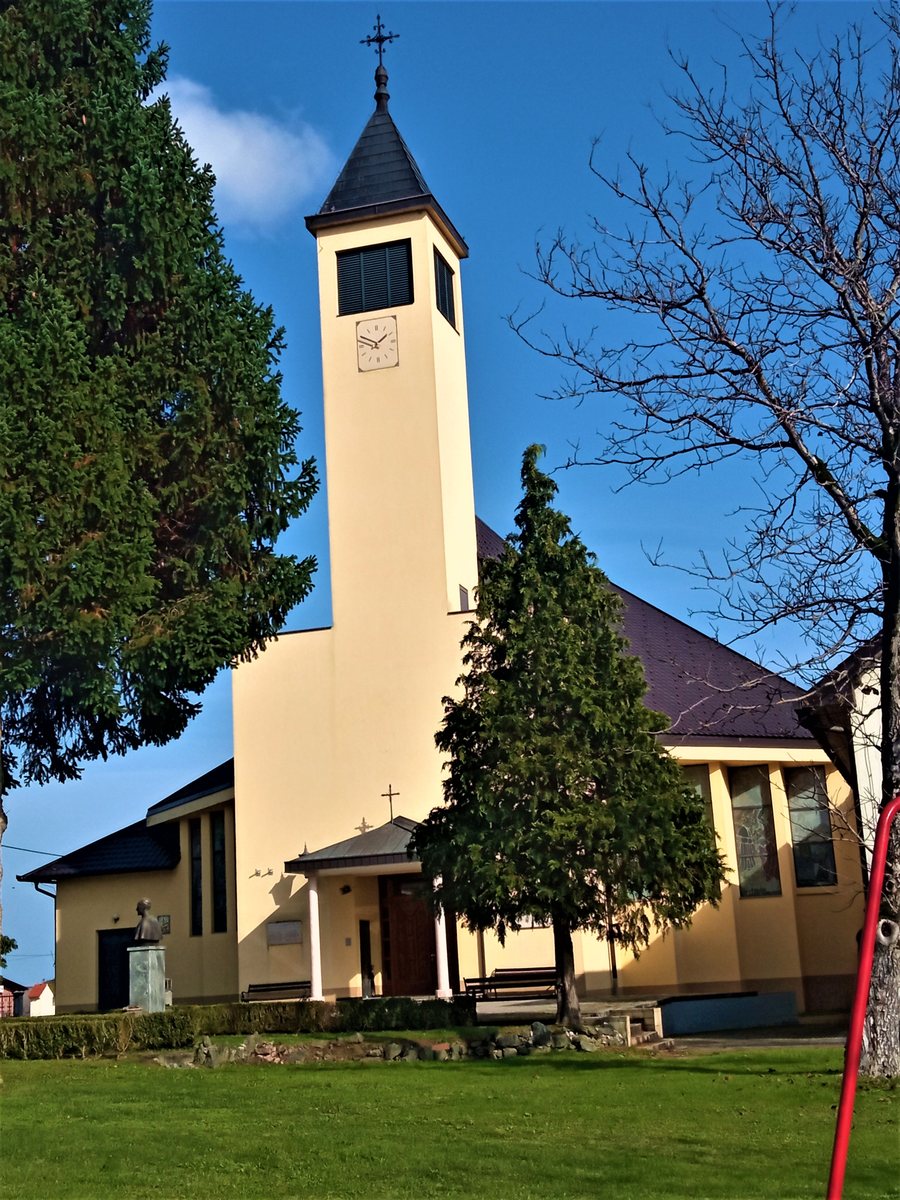
Lasinja Municipality at a glance
The Kupa shapes the landscape, and several cycling routes explore different sections. Routes 48 and 50 form a 14-kilometre route together, while Route 49 is 14.1 kilometres long. Cultural attractions include the Ethno Museum and KUD Antun Klasinc. The Lasinja Culture dates from 4300 to 3950 BC.
How do the cycling routes differ?
If you’re looking for a route through meadows to the banks of the Kupa, Routes 48 and 50 are one option. Together they form a 14-kilometre cycling route that starts at the central square in Lasinja. The route passes through meadows and picturesque countryside to several spots on the Kupa that are considered bathing areas.
Route 49 offers a different landscape: it passes through lowlands and a section of forest to Lake Ciglana near the village of Crna Draga. It starts and ends in Lasinja and is 14.1 kilometres long. Of this, 12.8 kilometres are paved and 1.3 kilometres are gravel. The route lengths and surface details provide concrete guidance when choosing a route, but do not indicate how long it takes to walk or cycle.
What defines the landscape along the Kupa?
Lasinja lies on the right bank of the Kupa, in a lowland landscape where the river begins its gentle course towards its mouth. For choosing a route, the difference between the river sections described and the forest section on Route 49 is clear: Routes 48 and 50 lead to the banks of the Kupa, while Route 49 leads to Lake Ciglana near the village of Crna Draga.
Fishing tourism has developed along this section of the Kupa. A trip in a traditional wooden boat is recommended for exploring the river around Lasinja. For several years, the river cinema “Riječno kino uz Karlovačko” was held at the Pod pećinom bathing area in Lasinja.
What cultural history can you discover?
The Lasinja Culture is an Eneolithic culture dating from 4300 to 3950 BC. Its area of distribution includes parts of Croatia, northern Bosnia, Slovenia, the Austrian regions of Styria and Carinthia, and Transdanubian Hungary. Small-scale, non-specialist investigations at Talijanovo brdo in 1928 and 1929 yielded mainly pottery fragments and stone material from the Copper Age, most of which is attributed to this culture. Finds from the Vučedol Culture were also discovered.
The Ethno Museum of Lasinja is housed in a traditional wooden house, built and furnished to preserve the memory of local traditional architecture. Exhibits include men’s and women’s folk costumes, traditional furniture and household items. Visitors interested in seeing the museum are admitted on request.
Since 2007, Lasinja has been home to the cloistered monastery of the Daughters of the Heart of Jesus, known as the White Carmel, and considered the only monastery of this order in Croatia. The associated Church of the Sacred Heart has an area for worshippers who wish to pray together with the nuns; another area is reserved exclusively for the nuns. The parish church, built at a new location after the war, was consecrated on 28 October 2000 to Saint Anthony of Padua and the Blessed Virgin Mary, Queen of Peace.
KUD Antun Klasinc is also part of Lasinja’s cultural life. It has folklore, tambura, children’s and tambura school sections. “Pokuplje u srcu Lasinje” is one of the important cultural and social events in Lasinja.
To compare other municipalities: Municipality of Bosiljevo, Municipality of Josipdol, Municipality of Plaški, Municipality of Ozalj, Municipality of Krnjak, Municipality of Ribnik and Municipality of Ogulin.
FAQ
How long are the cycling routes?
Routes 48 and 50 form a 14-kilometre cycling route together. Route 49 is 14.1 kilometres long, comprising 12.8 kilometres of paved road and 1.3 kilometres of gravel.
How can I visit the Ethno Museum?
The Ethno Museum admits visitors interested in seeing it on request. It displays folk costumes, traditional furniture and household items in a traditional wooden house.
What is the Lasinja Culture?
It is an Eneolithic culture dating from 4300 to 3950 BC. Finds from the Copper Age discovered during investigations at Talijanovo brdo in 1928 and 1929 were mostly attributed to this culture; finds from the Vučedol Culture were also discovered.
For the wider travel overview: Karlovac County.

