
Losinj
Accommodation in Losinj
Lošinj combines a deeply indented coastline with insights into its maritime history and a range of nature- and culture-related activities. This offers different options for planning your trip: a self-guided tour, museums and exhibitions, island trails or snorkelling spots.
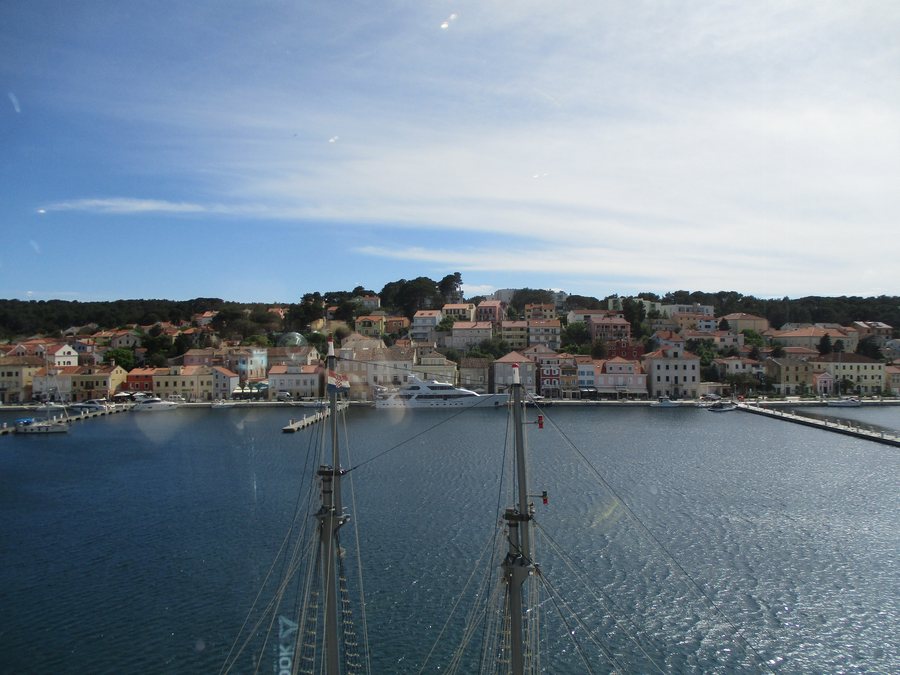
Losinj at a glance
- Lošinj is a Croatian island with numerous coves and a deeply indented coastline.
- The larger ports include Mali Lošinj, Veli Lošinj and Nerezine.
- The island can be reached by land, sea or air.
- Activities include cultural sites, walking and cycling trails, and snorkelling spots.
Which cultural sites tell the story of Lošinj?
Above Mali Lošinj, the cultural landscape of Providenca lies on Umpiljak Hill. It interprets Lošinj’s natural, cultural and maritime heritage. A self-guided tour takes you past six interpretation points and explores Lošinj as an island of captains. The picnic at the Captain’s Table adds another connection to seafaring: it includes a picnic basket with local specialities associated with Lošinj’s captains and the island’s maritime past.
The Museum of Apoxyomenos in Mali Lošinj was built as the sculpture’s permanent home. A life-size replica of the bronze sculpture is on display at The Tower in Veli Lošinj; the original was discovered in the waters around Veli Lošinj. The Kula Museum-Gallery Centre (The Tower) also presents Lošinj’s maritime traditions and seafaring history in a permanent exhibition. When planning your cultural visits, you can explore both the story of a sculpture and the island’s maritime past.
Seafaring is also at the heart of the Nerezinac. Its exhibition is divided into three sections and covers the crew’s life, food and cargo, maritime routes and shipbuilding. The Nerezinac is included in the Republic of Croatia’s Register of Protected Cultural Goods.
What shapes the landscape and coastline?
The island’s coves have low, easily accessible shores that are mostly rocky. In some places, white pebbles gradually give way to a sandy seabed. Shorelines therefore vary from cove to cove: when planning your outings, you can consider whether you would rather explore rocky shores or areas with pebbles and a sandy seabed.
The Lošinj Fragrant Garden offers a different way to explore the island’s plant life. It contains more than 250 native aromatic plant species. Traditional dry-stone walls, known as Gromače, enclose the individual planting areas. The garden offers fragrance walks, workshops, tastings, exhibitions, performances and competitions. Those interested in plants and local culture will find a different perspective here than at the maritime exhibitions.
Which trails and experiences can you plan for?
The Lošinj archipelago has walking and cycling trails of varying lengths and difficulty. They lead to viewpoints, beaches and coves, fishing villages, secluded chapels and villages, shepherds’ huts and old military fortifications. This range of destinations helps you choose outings based on the places that interest you, while taking each trail’s length and difficulty into account when planning your route.
One specific hiking option is the Osoršćica–Nerezine traverse. It runs for about 10 kilometres in the northern part of the island and reaches an elevation of 588 metres at Televrin. The Church of Sv. Mikula and the Cave of Sv. Gaudencija are located below the summit. The distance and elevation give you a guide for planning your day, but do not indicate how long the hike will take.
Snorkelling spots around Lošinj and the nearby islands of Ilovik, Susak and Unije offer a variety of underwater landscapes. These include colourful fish, Posidonia oceanica seagrass meadows and hidden coves. If you prefer to stay above water, you can instead explore the walking and cycling trails and their range of destinations.
Which places can help with your trip planning?
The larger ports include Mali Lošinj, Veli Lošinj and Nerezine. Some of the cultural and natural attractions described are also associated with these place names: Providenca and the Museum of Apoxyomenos are near or in Mali Lošinj, The Tower is in Veli Lošinj, and the hiking traverse includes Nerezine in its name. If you are looking for a hotel, these places can serve as starting points for your own further research; deciding which cultural stops or activities you want to prioritise is a useful starting point for choosing a location. Lošinj can be reached by land, sea or air.
To compare other destinations, you can also visit the pages for Šibenik-Knin County, Ugljan, Hvar, Krk, Čiovo, Split-Dalmatia and Dubrovnik-Neretva County.
FAQ
What is Providenca?
Providenca is a cultural landscape on Umpiljak Hill above Mali Lošinj. A self-guided tour with six interpretation points explores Lošinj as an island of captains.
How long is the Osoršćica–Nerezine hiking traverse?
The route is about 10 kilometres long and reaches an elevation of 588 metres at Televrin. The Church of Sv. Mikula and the Cave of Sv. Gaudencija are located below the summit.
What topics does the exhibition aboard the Nerezinac cover?
The exhibition is divided into three sections. It covers the crew’s life, food and cargo, maritime routes and shipbuilding.
How can you reach Lošinj?
Lošinj can be reached by land, sea or air.
For the main travel overview: Croatia.

