
Mali Lošinj: Culture and Maritime History
Accommodation in Mali Lošinj
Mali Lošinj offers several distinct points of interest for culture-minded travellers: a museum dedicated to a single artefact, art collections in a palace, maritime history aboard a single-masted vessel and a walk through the Kalice. If you are looking for a hotel for your trip, you can start by choosing based on the subjects that interest you most.
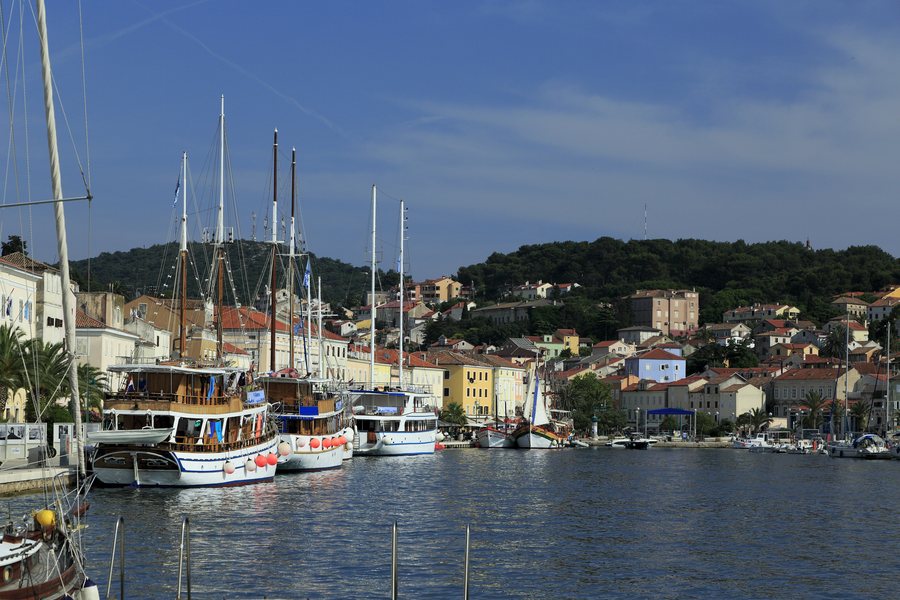
Mali Lošinj at a glance
The Apoxyomenos Museum is dedicated to a single artefact and opened in May 2016 in Kvarner Palace in the centre of Mali Lošinj. Fritzi Palace houses the Piperata Collection of Old Masters and the Andro Vid Mihičić Collection of Croatian Masters; the latter comprises around 360 works of art. The Kula in the centre of Veli Lošinj is a freestanding circular tower complex dating from the 15th century. In Osor, the Archaeological Collection is housed in a Renaissance building from the first half of the 15th century.
What cultural themes can you explore?
The Apoxyomenos Museum focuses on a single artefact. It opened in May 2016 in Kvarner Palace, in the centre of Mali Lošinj. Fritzi Palace offers a different focus: it houses two of Mali Lošinj’s most important art collections. The Piperata Collection of Old Masters is displayed alongside the Andro Vid Mihičić Collection of Croatian Masters, which comprises around 360 works of art. A single artefact and two named art collections thus offer distinct themes to explore.
The single-masted vessel Nerezinac adds the island of Lošinj’s maritime heritage to this cultural picture. It serves as an interpretation centre for this heritage and is anchored in front of the Apoxyomenos Museum. Art collections, a single artefact and an interpretation centre aboard a ship each offer a different focus for planning your trip.
What stories do the historic buildings tell?
The Osor Archaeological Collection is housed in a Renaissance building constructed in the first half of the 15th century. The building has been protected as a cultural monument since 1964. The Kula in Veli Lošinj also brings the building itself into focus alongside its history: this freestanding circular tower complex in the centre was built in the 15th century.
The Kula’s permanent exhibition covers the history of Veli Lošinj, its immediate surroundings and the southern part of the island of Lošinj—from prehistoric times to the present day. It places particular emphasis on maritime and tourism traditions. The perspective thus extends from the building and its protected status to a history of the town and island spanning a broad period.
How can a town walk fit into your plans?
The “Lošinj kroz stoljeća” guided tour includes a walk through the Kalice of Mali Lošinj. Alongside collections and historic buildings, the tour offers a way to get to know the area. Dates may change, so check the current tour schedule before making plans.
What does a wider view of Kvarner Bay add?
For a broader perspective on the wider destination of Kvarner Bay, it is worth looking at Primorje-Gorski Kotar County. The Natura 2000 network includes 111 sites there and covers nearly 75 percent of the land area and 16 percent of the sea area. The cultural and tourist route Putovima Frankopana is also part of this regional context: across the county, it includes a total of 17 Frankopan castles and three religious sites. The natural and cultural heritage of Kvarner Bay thus complements the museums, collections and historic buildings that shape Mali Lošinj and the places mentioned here.
Discover more destinations: Mali Lošinj, Nerezine, Veli Lošinj, Belej, Susak, Sveti Jakov, Punta Križa, Ilovik, Unije, Vele Srakane, Osor, Ćunski, Ustrine.
FAQ
What does the Kula’s permanent exhibition cover?
It covers the history of Veli Lošinj, its immediate surroundings and the southern part of the island of Lošinj, from prehistoric times to the present day, with particular emphasis on maritime and tourism traditions.
What is the Nerezinac?
The Nerezinac is a single-masted vessel and an interpretation centre for the maritime heritage of the island of Lošinj. It is anchored in front of the Apoxyomenos Museum.
What does the “Lošinj kroz stoljeća” guided tour include?
It includes a walk through the Kalice of Mali Lošinj. As dates may change, check the current schedule before making plans.
Back to the overview of the wider destination: Lošinj.

