
Municipality of Klis – Fortress and Dalmatian Cultural Heritage
Accommodation in Municipality of Klis
The Klis Fortress stands on a steep rocky cliff between the Kozjak and Mosor mountains and defines the historic character of the area. If you would like to combine cultural history with a challenging hike or local specialties on your trip, the Municipality of Klis offers several specific points of interest.
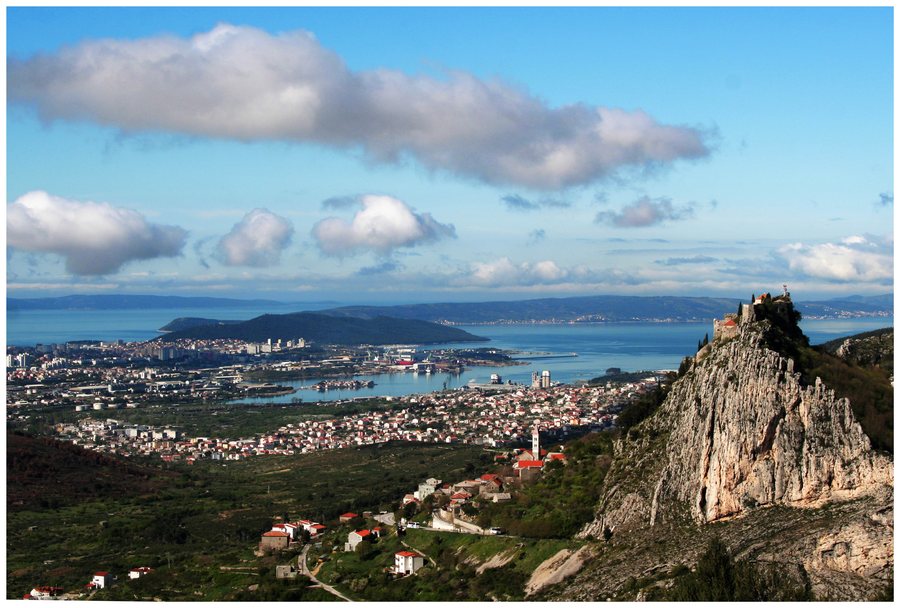
Key facts about the Municipality of Klis
- Klis Fortress is one of the best-preserved late medieval and Baroque fortifications. It consists of three enclosed sections, each with its own entrance, and is open daily from 8:30 a.m. to 8:30 p.m.
- Churches, a cycle of wall paintings and the Crkvine archaeological site offer insights into the history of Klis and the Dalmatian hinterland.
- The Debelo Brdo hiking trail is 4,500 metres long and passes through steep, rocky terrain covered in maquis. It is rated very difficult and challenging.
- The archaeological section of the Roman road in the Klapavice–Kurtovići area is two kilometres long.
- In Klis, spit-roasted lamb and specialties prepared according to traditional recipes under a baking bell are recommended for tasting.
What can you expect at Klis Fortress?
The fortress is not just a single building complex: its three enclosed sections each have their own entrance. When planning your visit, it is therefore important to bear in mind the opening hours, which are 8:30 a.m. to 8:30 p.m. daily. The site combines late medieval and Baroque fortification architecture and is one of the best-preserved complexes of its kind. Together with its position on the steep rocky cliff between Kozjak and Mosor, this combination makes the site interesting to travellers who want to experience historic buildings and a striking landscape.
Which churches and archaeological sites tell the story of the area?
The Church of St John is first mentioned in the mid-14th century. Its construction is associated with the period when the nobles of the Šubić family ruled Klis in the 13th and 14th centuries. The church and the archaeological site lie below Klis, in the southeastern part of Kliško polje. In Klapavice, the Crkvine site illustrates life in the Dalmatian hinterland from Late Antiquity to the Late Middle Ages.
Another place to visit is the parish church in the Varoš district below the fortress. The new single-nave church was expanded into a three-nave building between 1900 and 1902, based on a design by architect Ćiril Metod Iveković. Inside is a cycle of wall paintings by Vjekoslav Parać, dating from 1939. The scenes depict episodes from the medieval history of Klis; the cycle is considered one of Croatia’s most significant works of monumental figurative mural painting from the first half of the 20th century.
The Česma, west of the fortress, is also noteworthy: the Mihrab Fountain has niches and is the only surviving monument of its type in Croatia. Kaštel Tartaglia stands on a hill above the village of Konjsko. If you would like to discover buildings from different periods, you can include these places in your itinerary as distinct cultural and historical points of interest.
Which routes and hikes suit your interests?
The archaeological section of the Roman road in the Klapavice–Kurtovići area of Klis and Dugopolje is two kilometres long. The road ran from Salona through Klis and the Dugopolje plateau into the Dalmatian interior. This route provides historical context for the road; the section mentioned is described as an archaeological part.
Debelo Brdo is a distinctly challenging option for a hike: the trail is 4,500 metres long and passes through steep, rocky terrain covered in maquis. Bear in mind its rating as very difficult and challenging when choosing a route. If you are looking for an easier hike, the available information does not specify an alternative route. The fortress on the steep rocky cliff between Kozjak and Mosor offers a separate landscape experience.
Which local specialties can you try?
Spit-roasted lamb is mentioned as a specialty to try in Klis. Dishes prepared according to traditional recipes under a baking bell are also made and recommended. Alongside visits to the fortress and cultural sites, these suggestions add a culinary element to your trip. When choosing accommodation in the Municipality of Klis, you can therefore consider whether historic places, a challenging hike or local cuisine should be a particular focus of your trip.
Which other town pages can you explore?
For an overview of the municipality, see the pages for Klis, Brštanovo, Prugovo, Konjsko, Veliki Bročanac and Dugobabe. To compare other municipal pages, you can also visit Municipality of Proložac and Municipality of Primorski Dolac.
FAQ
What are the opening hours of Klis Fortress?
The fortress is open daily from 8:30 a.m. to 8:30 p.m.
How challenging is the Debelo Brdo hiking trail?
The 4,500-metre trail is rated very difficult and challenging. It passes through steep, rocky terrain covered in maquis.
What is special about the parish church in Varoš?
The church was expanded into a three-nave building between 1900 and 1902. Inside is a cycle of wall paintings by Vjekoslav Parać, dating from 1939, with scenes from the medieval history of Klis.
For the broader travel overview: Split-Dalmatia.

