
Municipality of Novigrad: Beaches, Cycling Routes and Cultural History
Accommodation in Municipality of Novigrad
The Municipality of Novigrad brings together a variety of travel interests: pebble beaches and waterside experiences, a marked cycling route, and a rich cultural history. This overview will help you assess which aspects of the municipality suit your trip.
Key facts about the Municipality of Novigrad
- A marked cycling route is 30 kilometres long and follows gravel and asphalt roads.
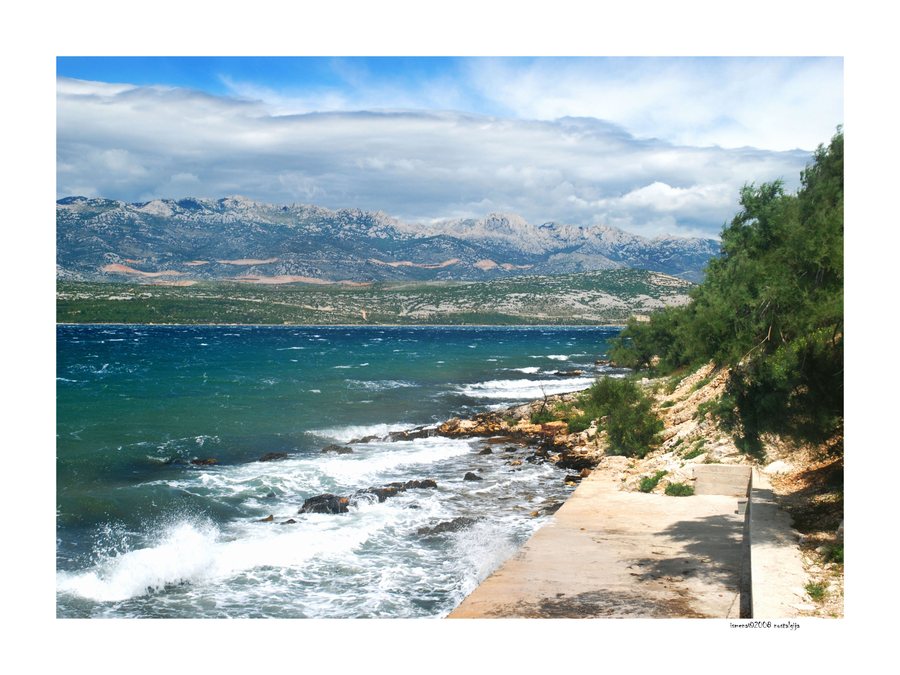
- Pridraga has natural pebble beaches on the Karinsko more, which is connected to the Novigradsko more by a narrow channel.
- Novigrad has an underwater trail and watersports available at the beach.
- Fortica, churches and regional traditions offer insight into the municipality’s history and culture.
What waterside experiences are available?
There are various activities to enjoy during a seaside stay. At Novigrad beach, you can kayak, pedal boat, row and windsurf. There is also an underwater trail where visitors can explore marine life. Those particularly interested in the underwater world have another way to spend time by the water, in addition to the watersports on offer.
Pridraga has natural pebble beaches on the Karinsko more. This body of water is connected to the Novigradsko more by a narrow channel. Vrulja beach is a natural pebble beach with clear water, considered a place to swim and relax with the family. These details provide specific points to consider if you are mainly looking for a beach holiday or waterside activities.
What does the municipality offer cyclists?
A marked cycling route runs for 30 kilometres along gravel and asphalt roads, with views of Novigrad and the surrounding area. The two types of surface mentioned are relevant when assessing whether this route suits your cycling plans. Another, separate cycling tour was 12 kilometres long: it began at the waterfront promenade in Posedarje and ended in front of the municipal building in Novigrad. A total of 128 cyclists of all ages took part in this traditional tour. These details describe two different cycling experiences; the 12-kilometre tour should not be confused with the marked 30-kilometre route.
What cultural history can you discover?
Fortica Fortress – Castrum Novum stands on a hill above Novigrad and is listed as Z-4198 in Croatia’s Register of Cultural Goods. Its history includes a specific event: in 1386, the Hungarian-Croatian Queen Mary and her mother, Elizabeth, were held captive there. Novigrad is also home to the town’s oldest church, Sv. Kate. The Croatian Ban Butko Kuriaković, a magnate from Lika-Krbava, commissioned it in 1393.
Other churches reflect different periods and architectural forms. Sv. Nikola dates from 1800 and stands at the entrance to Novigrad harbour. The early Christian church of Sv. Martina lies in an open field beside the road from Novigrad to Pridraga. It was built in the 5th or 6th century as a single-nave church with three apses. The pre-Romanesque, six-lobed church of Sv. Mihovila, dating from the 9th century, was discovered in the immediate vicinity in 1940. In Pridraga, Gospe od Ružarija is located near the parish house. It was built on the site of the former chapel of Sv. Marka, which had been erected in 1882.
Which local traditions and foods shape a stay?
Language and music are also part of local culture: the Novigrad dialect is included in the Register of the Intangible Cultural Heritage of the Republic of Croatia. Paljuv is associated with the klapa group “Težaci”; klapa singing is considered an expression of local culture there. At the beginning of the 19th century, people from Novigrad moved to Paljuv, whose first inhabitants were exclusively livestock breeders.
Novigrad’s fishing tradition is celebrated at the traditional fish festival “Novigradska ribarska noć”. Regional dishes also feature at events. At the second Brudetijada, seven culinary teams prepared brudet and two teams prepared black risotto. The folklore festival “Dalmacijo, Pridragu ti ljubim” in Pridraga showcases traditional dances, music, language and customs. At the shared dinner held as part of this folklore festival, Novigrad mussels and traditional hunting stew are served, prepared according to recipes from the oldest members of KUD Luzarica. The Zrmanja’s inflow into the Novigradsko more creates favourable conditions for mussel farming; mussels are considered a local delicacy there.
What should you know about events and opening hours?
The Nature i Kulture Festival was held in Novigrad for the eighth time on 7 and 8 August 2026. It presented protected areas and Natura 2000 sites, particularly the Novigradsko and Karinsko more and the surrounding areas. Cultural and traditional heritage was at the heart of the event. The Zavičajna zbirka Novigrad is open from 09:00 to 13:00 from May to September. If you are planning a cultural visit, you can also take these seasonal opening hours for the collection into account.
If you want to look up individual places in the municipality, you can find dedicated pages for Bužinija and Antenal. For experiences in the coastal towns, visit the pages for Novigrad and Pridraga. To compare other destinations, you can also visit the pages for Municipality of Sukošan, Municipality of Ražanac, Municipality of Stankovci and Municipality of Nin.
FAQ
How long is the marked cycling route?
The marked cycling route is 30 kilometres long and follows gravel and asphalt roads.
Which watersports are available at Novigrad beach?
Kayaking, pedal boating, rowing and windsurfing are available at the beach. There is also an underwater trail for exploring marine life.
When is Zavičajna zbirka Novigrad open?
It is open from 09:00 to 13:00 during the months of May to September.
For the broader travel overview: Zadar County.

