
Juula
Accommodation in Juula
Juula can be understood through its local history and the Rõue jõgi river; nature and cultural destinations in the surrounding area add to your travel plans. For orientation, it is important to distinguish the places themselves from destinations in Rapla or Paluküla.
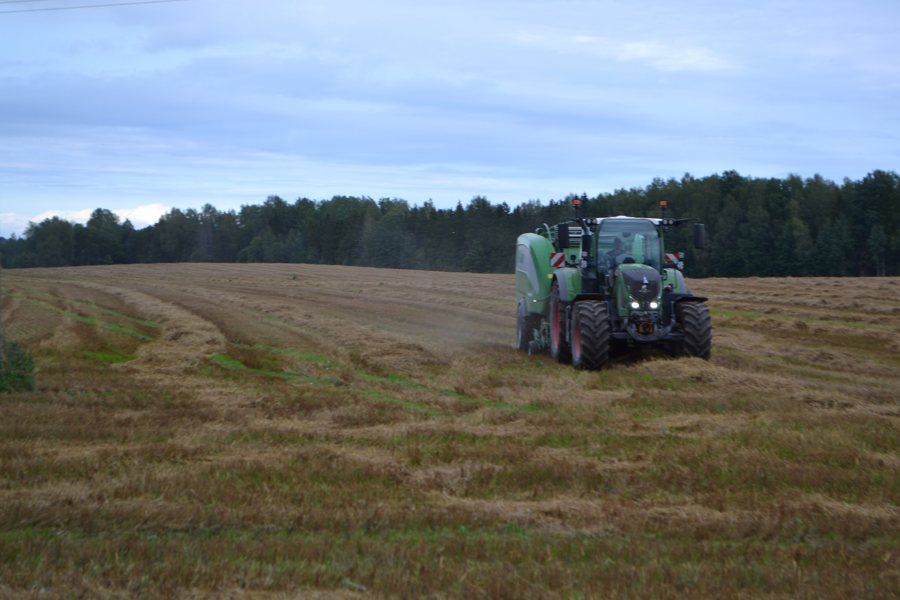 File:Traktor Juula külas põllul Raplamaal.jpg
Photo: EestiLatern via Wikimedia Commons, CC-BY-SA-4.0
Juula at a glance
- The Rõue jõgi flows into the Vigala jõgi. Kuusiku jõgi is another name for the same river; the Rõue jõgi is located in the Kõnnumaa loodusala area.
- The Juula road viaduct was built at the intersection of the Rapla–Järvakandi–Kergu road and the Rail Baltica railway line, and opened to traffic in early September 2025.
What does the local history tell us?
Juula is considered a former sauna village. Local tradition also tells of a former cattle manor in Juula. Its owner is said to have been a woman named Juula. Thus, a historical account of the place and an explicitly traditional story sit side by side.
What nature destinations are nearby?
The Paluküla-Loosalu nature trail is located in Paluküla, Kehtna municipality, in the vicinity of Juula. A boardwalk leads through a bog to Lake Loosalu. The trail also connects Hiiemäe, the highest peak in Western Estonia at 106 m, with the Loosalu bog island.
The out-and-back nature trail is approximately 15 km long. This approximate distance gives you a specific reference point when making your own choice. The bog, boardwalk, lake, peak and bog island define the character of this trail; the description brings these landscape features together as a clearly defined nature destination in the area.
What can you discover in Rapla?
The Rapla Maarja-Magdaleena Church stands in the town of Rapla—not in Juula—and is Estonia’s only rural church with two towers. It was designed by the Baltic German architect Rudolf von Engelhardt. Ring crosses dating from the 17th century can be seen in the churchyard. The church and the crosses combine an architectural feature with a specific historical detail.
Walks are another distinctive attraction in Rapla. The Jõepromenaad is a popular place for a stroll there. A guided walk in Rapla follows the banks of the Vigala jõgi. Another walk in the Rapla area leads to the Vesiroosi bathing area.
Which regional experiences offer a different focus?
As a regional guided tour in the vicinity of Juula, “Kirik keset küla” visits Rapla, Alu and Valtu. A different experience is offered by the Puraviku Tuuleveski Sepikoda forge in the vicinity of Juula, where you can learn about the art of blacksmithing.
The difference is clear when choosing: the nature trail is an approximately 15 km out-and-back route; Rapla offers walks and the church; the guided tour visits several places. This lets you consider a nature trail, a walk and a regional guided tour as distinct focuses for your travel plans.
Discover more destinations: Hagudi.
FAQ
Which rivers meet at the Rõue jõgi?
The Rõue jõgi flows into the Vigala jõgi. Kuusiku jõgi is another name for the Rõue jõgi.
What has been passed down about Juula’s local history?
Juula is considered a former sauna village. According to local tradition, there is said to have once been a cattle manor there, whose owner is said to have been a woman named Juula.
How long is the Paluküla-Loosalu nature trail?
The out-and-back route is approximately 15 km long. The trail follows a boardwalk through a bog to Lake Loosalu.
Which places does the “Kirik keset küla” tour visit?
The guided tour visits Rapla, Alu and Valtu.
To the main travel overview: Rapla.

