
Discover Vastseliina: Pilgrimage History and Nature
Accommodation in Vastseliina
If you are interested in medieval castle and pilgrimage history, Vastseliina offers several tangible points of interest: the bishop’s castle, two exhibition venues, and a pilgrimage route. The 15-kilometre Piusa Valley hiking trail adds an outdoor dimension to the cultural experience, running through the river valley.
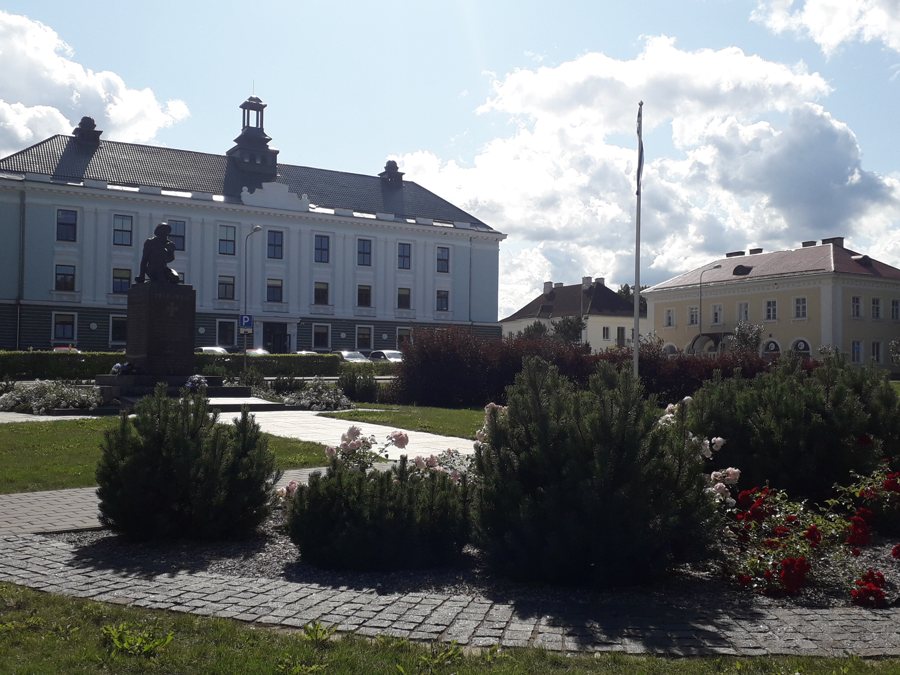
Vastseliina at a glance
- Nearby, the 15-kilometre Piusa Valley hiking trail starts at the ruins of Vastseliina Bishop’s Castle and ends in the village of Lindora.
- The Vastseliina Medieval Experience Centre and Palverännumaja focus on the history of the castle and pilgrimage.
- The Vastseliina Maarahva Laat is a traditional two-day fair highlighting local crafts and food culture.
What pilgrimage history shapes Vastseliina?
The ruins of the bishop’s castle provide the setting for several historical themes. The castle’s Püha Risti Chapel became Livonia’s most popular pilgrimage destination. The Vastseliina Medieval Experience Centre presents exhibitions on the history of the castle, knights’ chain mail, Hanseatic trade, and alchemy. Palverännumaja has a different focus: its interactive exhibition shares insights into medieval pilgrims and pilgrimages.
A pilgrimage route that crosses Estonia is also part of this story. It runs from the monastery and church in Pirita to the medieval sanctuary at Vastseliina Bishop’s Castle. You can encounter the history of pilgrimage and the castle in several ways: through historical accounts, exhibitions, and the route itself.
What does the Piusa Valley hiking trail offer?
Nearby, the 15-kilometre Piusa river valley hiking trail starts at the ruins of the bishop’s castle. It follows the ancient valley of the Piusa River to the village of Lindora on the Võru–Obinitsa road. The trail lies within the Piusa River Valley Landscape Protection Area. Starting at the castle ruins and continuing through the valley offers two distinct perspectives on the area: its historic site and its landscape.
What other experiences complement culture and nature?
Nearby, the castle kitchen prepares dishes with a medieval character. The food is inspired by historical recipes and the customs of festive banquets. This adds a culinary dimension to the history presented in the exhibitions.
As a traditional two-day fair, the Vastseliina Maarahva Laat brings together traders, supporters of rural life, cultural groups, and visitors. It celebrates local crafts and food culture; the range of products can vary from year to year. Check the latest dates and programme before travelling. The Õhtulaulud took place at the community centre. Municipal reports document the tradition up to 2024 and mention a tenth edition. Check locally whether there will be further editions and when they will take place.
A disc golf course with 12 baskets, just over a kilometre long, is located at Vastseliina Gümnaasium. It is considerably shorter than the 15-kilometre Piusa Valley hiking trail, but the two are different activities: disc golf here, hiking there.
If you would like to compare more destinations, see the pages for Möldri and Kündja.
FAQ
Where does the Piusa Valley hiking trail end?
The route goes to the village of Lindora on the Võru–Obinitsa road.
What do the exhibitions show about pilgrimage history?
The Vastseliina Medieval Experience Centre covers topics including the castle, Hanseatic trade, and alchemy. Palverännumaja offers an interactive exhibition about medieval pilgrims and pilgrimages.
Are the event dates fixed?
The fair’s product range and programme can vary from year to year. Check the latest dates for the fair and any future editions of the Õhtulaulud before travelling.
For the main travel overview: Vastseliina.

