
Discover Racha-Lechkhumi and Kvemo Svaneti
Accommodation in Racha-Lechkhumi and Kvemo Svaneti
Nature, architectural history, and regional traditions give Racha-Lechkhumi and Kvemo Svaneti a diverse character.
Key facts about Racha-Lechkhumi and Kvemo Svaneti
Racha National Park lies within the administrative boundaries of Oni Municipality in Racha-Lechkhumi and Kvemo Svaneti and covers 50,835 hectares. The park is home to 117 bird species and 54 mammal species. Nicortsminda Cathedral was built during the reign of King Bagrat III, between 1010 and 1014, and was submitted to the UNESCO World Heritage Tentative List in 2007. In Shovi, a balneological resort and 16 mineral springs form the basis of its therapeutic mineral baths.
What natural experiences and landscapes define the region?
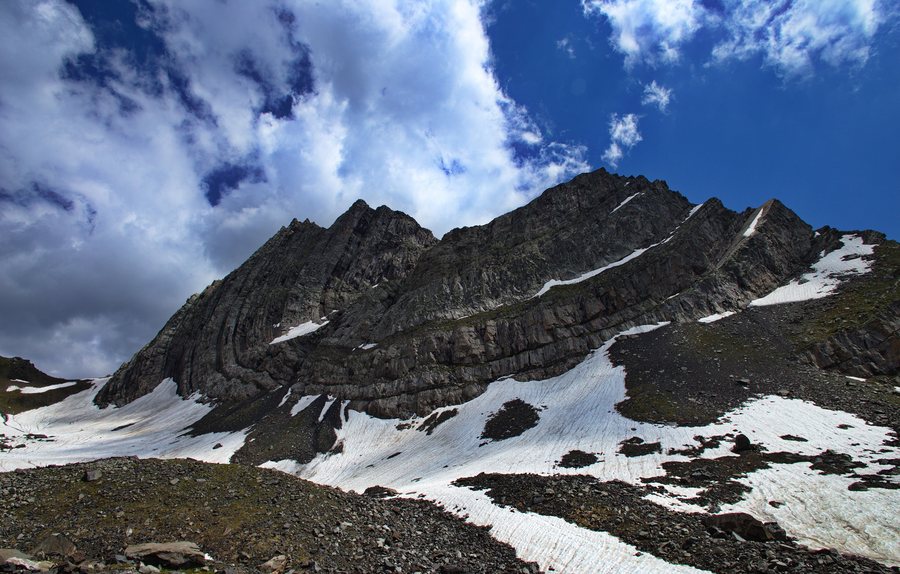
Racha National Park offers a sense of the scale of the natural environment: the protected area covers 50,835 hectares and is home to 117 bird species and 54 mammal species. Khvamli Mountain offers a different landscape. It is 2,002 meters high, densely forested, and deeply rugged. Nineteen caves lie along its outer slopes, including Tekenteri, also known as Tekenteris Well, and Boga Ice Cave. The region's natural character thus combines the biodiversity of the national park with a striking mountain and cave landscape.
A specific hiking route is also described: the Sakao–Ghebi–Mount Shoda route begins in Ghebi, crosses a mountain ridge, and ends in Sakao. It is considered challenging and is intended for experienced hikers. This rating helps distinguish it from a general nature walk; plan for it as a challenging hike.
Which cultural sites and collections can you explore?
Nicortsminda Cathedral offers a historical point of reference: it was built between 1010 and 1014, during the reign of King Bagrat III. Its submission to the UNESCO World Heritage Tentative List took place in 2007. In Oni, the synagogue was built in 1895. Notable details include a Hebrew inscription at the entrance and the Ten Commandments, engraved in Hebrew on the eastern wall.
The museums have different areas of focus. The Museum of Fine Arts in Ambrolauri displays works by around 600 artists, including Lado Gudiashivili, Elene Akhvlediani, David Kakabadze, and Avto Varazi. The collection at the Tsageri Historical Museum spans from the Early Bronze Age to the Middle Ages. Its artifacts include bronze figurines, weapons, agricultural tools, and coins. Barakoni Church adds an architectural dimension to these cultural themes: it is a rectangular domed church, with an exterior decorated with various carvings.
Which regional experiences suit your interests?
Therapeutic mineral baths are at the heart of the balneological resort in Shovi. Each of the 16 mineral springs is used to treat a different ailment. The spa tradition is therefore a different focus from the hiking route or cultural sites. When it comes to food, you can learn about Rachan lobiani: baking it is considered a traditional ritual in Racha, and visitors can take part. If you would like to include this in your trip plans, ask in advance about a suitable opportunity.
These interests can help guide your search without limiting your trip to just one theme.
Which destinations would you like to explore further?
Discover more destinations: Oni, Ambrolauri, Glola, Tsageri, Lentekhi, Tsanashi, Khvanchkara, Ghebi and Kveda Tlughi.
FAQ
Which hiking route is rated as challenging?
The Sakao–Ghebi–Mount Shoda route begins in Ghebi, crosses a mountain ridge, and ends in Sakao. It is considered a challenging route for experienced hikers.
What makes the synagogue in Oni notable?
Built in 1895, the synagogue has a Hebrew inscription at the entrance. The Ten Commandments are engraved in Hebrew on its eastern wall.
What tradition can visitors experience when baking?
Baking Rachan lobiani is considered a traditional ritual in Racha, and visitors can take part. For your planning, it is advisable to ask in advance about a suitable opportunity.
Back to the main travel overview: Georgia.

