
Ófalu: House History and Clothing Traditions
Accommodation in Ófalu
The German Nationality Tájház in Ófalu combines a residence with a clearly established date of construction and an exhibition on bridal and groom’s clothing. Groups can also take part in preparing traditional sóskifli together. Other cultural, nature and culinary themes add their own highlights across the wider Baranya destination.
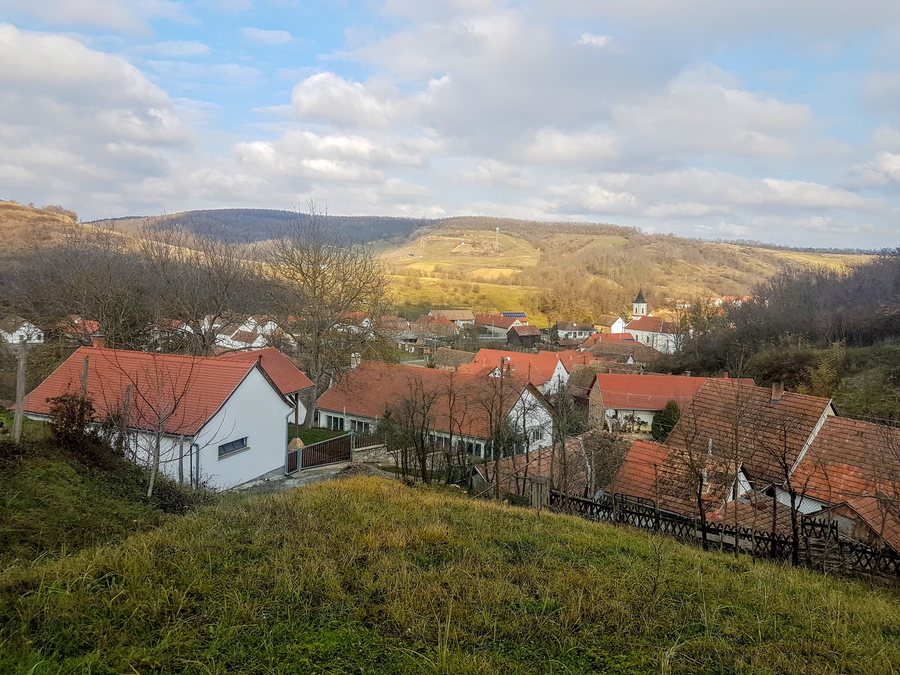
Ófalu at a glance
- The German Nationality Tájház was built in the 1830s as the Han family’s residence.
- The stable and barn date from the 1920s.
- The exhibition features bridal and groom’s clothing; bridal dresses in Ófalu were black.
- As part of a group activity, visitors can prepare traditional sóskifli together.
What does the Tájház tell us about Ófalu?
The different construction dates provide a concrete guide to the history of the buildings described: the date in the 1830s applies to the Han family’s residence, while the date in the 1920s applies to the stable and barn. This makes it possible to distinguish two building phases rather than assigning the entire ensemble to a single period.
The clothing exhibition also offers a local perspective. The house displays clothing for brides and grooms. In Ófalu, bridal dresses were black; lace or the sewing technique indicated the family’s wealth. Thus, in addition to color, two features are identified that conveyed the significance of the garment at the time. For visitors interested in everyday life and clothing history, this specific custom complements the exploration of the buildings.
What is included in the group activity with sóskifli?
As part of a group activity, visitors can prepare Ófalu’s traditional sóskifli together. This activity is for groups; please confirm the arrangements before your visit. Preparing it together is the activity’s specific culinary element. It adds another theme to a visit to the Tájház: alongside building history and clothing traditions, visitors can also discover a local dish.
What other themes does the wider Baranya destination offer?
In Pécs, the Early Christian Necropolis of Sopianae offers an archaeological highlight: its decorated tombs date from the 4th century. They were built as underground burial chambers with above-ground memorial chapels and adorned with richly detailed Christian wall paintings. The Zsolnay Cultural Quarter offers a different way to experience culture. Its exhibitions include “Golden Age of Zsolnay,” “Pink Exhibition,” and an exhibition on the family and factory history.
The Zsolnay Cultural Quarter also offers children outdoor playgrounds, an interactive lab, a planetarium, the Bóbita Puppet Theatre, a ceramic painting workshop, and courses at the Hercules Workshop. The freely accessible outdoor area can be entered and used free of charge during opening hours. Check the opening hours before your visit.
Nature and agriculture are the focus of the Ős-Dráva Visitor Centre near Szaporca. It has an interactive exhibition, a demonstration farm with practical farming activities, and three themed nature trails. They provide information about traditional farming, the Ős-Dráva Programme, and the wildlife along the Drava. The farming area features native Hungarian domestic animals, including Hungarian Grey cattle, Mangalica pigs, Huzul horses, and old breeds of sheep and poultry.
The Wilderness Nature Trail along the Old Drava offers further highlights: its facilities include a birdwatching and bird-ringing station, a viewpoint, a photography hide, a covered activity area, and several rest stops. The Villány cellar row represents another regional theme. Visitors can go from cellar to cellar throughout the year to sample wines and food. The region’s attractions thus range from archaeological and architectural history to nature watching and culinary experiences.
Discover more destinations: Pécsvárad, Zengővárkony, Erdősmecske, Apátvarasd, Szellő, Erzsébet, Mecseknádasd, Óbánya.
FAQ
When were the Tájház buildings constructed?
The Han family’s residence dates from the 1830s; the stable and barn were built in the 1920s.
What can you learn about bridal clothing in Ófalu?
The exhibition features bridal and groom’s clothing. Bridal dresses in Ófalu were black; lace or the sewing technique indicated the family’s wealth.
Can visitors prepare sóskifli themselves?
As part of a group activity, visitors can prepare traditional Ófalu sóskifli together. Please confirm the arrangements before your visit.
See the wider travel overview: Pécsvárad.

