
Discover Bükkösd: Castle, Church and Eco Park
Accommodation in Bükkösd
In Bükkösd, the Petrovszky Castle, later known as Jeszenszky Castle, the Roman Catholic church and the Eco Park offer different discoveries. The historical attributions and the choice between two park routes give you concrete points of reference for balancing culture and wildlife observation in your plans.
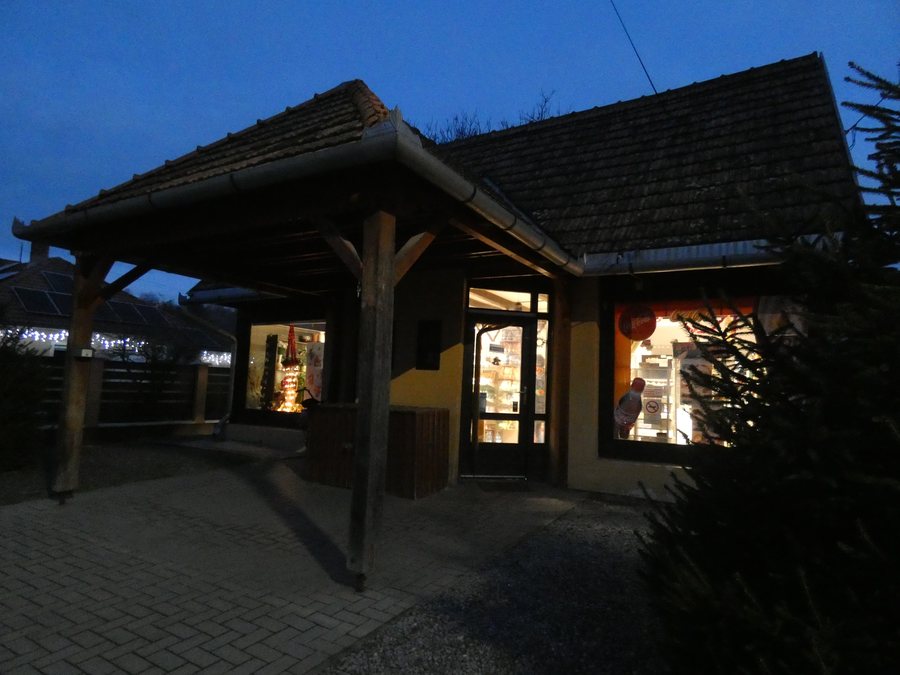 File:Dél-dunántúli Piros pecsételőhely Bükkösd DDP 13.jpg
Photo: Ocsovai Mária via Wikimedia Commons, CC BY-SA 4.0
File:Dél-dunántúli Piros pecsételőhely Bükkösd DDP 13.jpg
Photo: Ocsovai Mária via Wikimedia Commons, CC BY-SA 4.0
Bükkösd at a glance
- The Petrovszky Castle, later known as Jeszenszky Castle, was designed by Fischer von Erlach; there is disagreement over who commissioned the building.
- The Roman Catholic church was built in 1791 and has statues in niches on its façade.
- At the Bükkösd Eco Park, visitors can choose between the Völgy séta and Erdőjárók útja routes.
- The park is home to waterfowl and landfowl, as well as big game species found in Hungary, which can be observed in their natural surroundings.
What stories do the castle and church tell?
The castle has two names: Petrovszky and, later, Jeszenszky. It was designed by Fischer von Erlach. Historical accounts differ over who commissioned or initiated its construction. According to one account, Zsigmond Petrovszky had the castle built in 1786. Other researchers attribute its construction to Horváth Dániel, who is said to have had it built for his son-in-law, Petrovszky József, and his daughter, Horváth Krisztina. The year 1786 applies only to the first account.
The church also offers specific details for a cultural history tour. Petrovszky Zsigmond and a sibling built it in 1791. It was designed by Buch József, the first drawing teacher in Pécs. Niches in the church façade hold statues of Saint John of Nepomuk and Saint Sigismund. Oral tradition also links the altar base to the Pauline monastery on Jakabhegy near Pécs and identifies Goric marble as its material. This origin should be understood as a tradition.
The castle and church invite you to notice different kinds of history during your visit: the changing attributions surrounding the castle’s construction, and the named individuals, design details and traditions associated with the church. This way, the tour goes beyond the buildings themselves to explore the stories connected with them.
What can you experience at the Bükkösd Eco Park?
At the Eco Park, visitors can choose between Völgy séta and Erdőjárók útja. These are the names of the available routes; you can choose between them based on your interest in the park trails. Wildlife watching focuses on waterfowl and landfowl, as well as big game species found in Hungary. The animals can be observed in their natural surroundings.
Themed programs for preschool and school groups include feeding and interacting with animals, horseback riding and a playground. These activities are intended for the groups mentioned and must be booked by prior arrangement. If you are planning a group trip, arrange the program in advance.
What else does the wider destination of Baranya offer?
Exploring the wider destination of Baranya reveals further cultural attractions. In Pécs, the Early Christian Necropolis of Sopianae includes decorated 4th-century tombs: underground burial chambers with above-ground memorial chapels and richly decorated Christian wall paintings. The Zsolnay Cultural Quarter in Pécs features, among other things, the “Golden Age of Zsolnay” and “Pink Exhibition” displays, as well as an exhibition on the history of the family and factory. Children can enjoy outdoor playgrounds, an interactive lab, a planetarium, the Bóbita Puppet Theatre, a ceramic painting workshop and classes at the Hercules Workshop. The freely accessible outdoor area is free to use during opening hours; check the opening hours before your visit.
Nature, agriculture and regional cuisine are also part of what the wider destination of Baranya offers. The Ős-Dráva Visitor Centre near Szaporca combines an interactive exhibition with a demonstration farm area and three themed educational trails. They provide information about traditional agriculture, the Ős-Dráva Programme and the wildlife along the Drava. The agricultural area features native Hungarian domestic animals, including Hungarian Grey cattle, Mangalica pigs, Hucul horses, and old breeds of sheep and poultry. The wilderness trail along the Old Drava has a birdwatching and bird-ringing station, a lookout point, a photography hide, a covered activity area and several resting places. In Villány’s cellar row, you can sample wines and food throughout the year.
Discover more destinations: Szentlőrinc, Dinnyeberki, Hetvehely and Helesfa.
FAQ
Who designed the Petrovszky Castle, later known as Jeszenszky Castle?
The castle was designed by Fischer von Erlach. There is disagreement over who commissioned its construction: one account names Zsigmond Petrovszky and the year 1786, while other researchers name Horváth Dániel.
What distinctive details can be found in the Bükkösd church?
Built in 1791 by Petrovszky Zsigmond and a sibling, the church was designed by Buch József. Niches in its façade hold statues of Saint John of Nepomuk and Saint Sigismund.
What routes and animals are there at the Bükkösd Eco Park?
Visitors can choose between Völgy séta and Erdőjárók útja. The park is home to waterfowl and landfowl, as well as big game species found in Hungary, which can be observed in their natural surroundings.
Who are the themed programs at the Eco Park for?
The programs featuring animal feeding and interaction, horseback riding and a playground are intended for preschool and school groups. Bookings must be made by prior arrangement.
For the wider travel overview: Szentlőrinci.

