
Hejce: Discover its cultural history and trails
Accommodation in Hejce
The late Baroque Reformed Church, a monument in the town centre and a cycling loop that includes Hejce give the village a distinct cultural and trail profile. For your planning, the conditions described for travelling by bus and the distinction between a 32-kilometre loop and a nearby hiking section also matter.
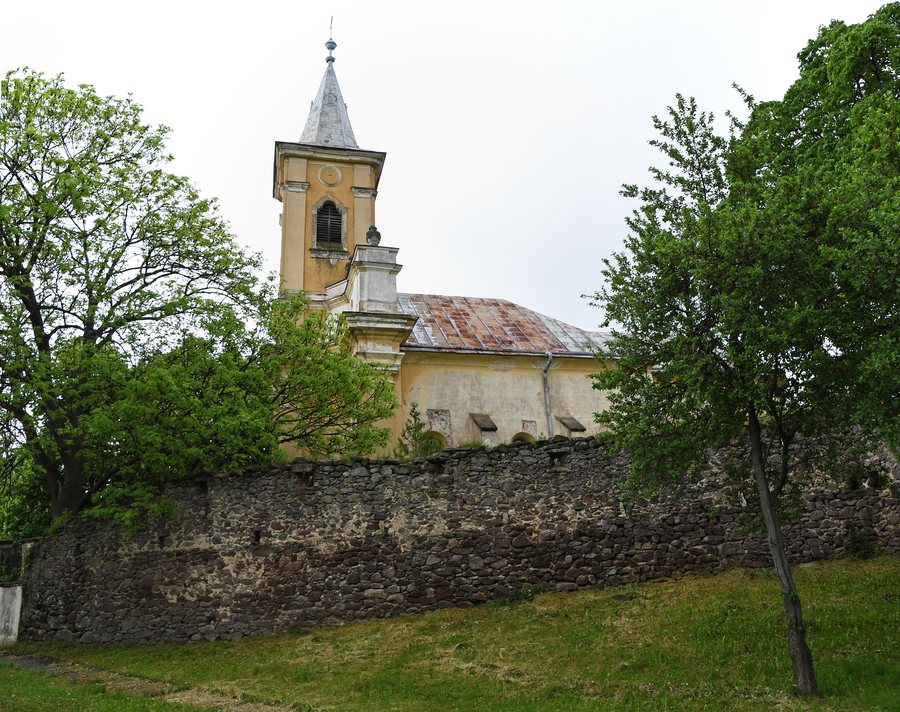 File:Hejce, római katolikus templom 2021 01.jpg
Photo: Pasztilla aka Attila Terbócs via Wikimedia Commons, CC BY-SA 4.0
Hejce at a glance
- The Reformed Church was built in the late Baroque style in 1789; a stone bell tower dating from 1791 stands around 20 metres away.
- A monument in the town centre was unveiled in 2007 in memory of the victims of the 2006 Slovak aircraft disaster.
- A published cycling loop runs 32 kilometres from Gönc to Hejce and back.
Which historic sites shape Hejce?
The Reformed Church in Hejce dates from 1789 and was built in the late Baroque style. A stone bell tower dating from 1791 stands around 20 metres away. Together, these two nearby religious buildings, with dates following one another chronologically, represent the village’s architectural history.
In the centre, a monument unveiled in 2007 commemorates the victims of the 2006 Slovak aircraft disaster. The two years refer to different events: 2006 marks the disaster, and 2007 the unveiling of the monument. The village’s history thus includes a more recent place of remembrance alongside its older buildings.
Which routes can you include in your plans?
Hejce lies on a published 32-kilometre cycling loop. The route runs from Gönc via Dobogó-nyereg, Borsó-hegy and Fehér-kút to Hejce, then returns to Gönc. The stated distance covers the entire loop; check current route conditions before setting out.
In the immediate vicinity of the destination, the “Secrets of Borsó and Gergely-hegy” hiking route describes a detour: the gently ascending path runs through pine and beech forest to Sólyom-kő and Borsó-hegy, then continues towards Gergely-hegy. The description refers to this section of the route. By comparison, the cycling loop is defined by its total distance and its starting and return point in Gönc, while the hiking section focuses on the forest and the route itself.
What should you know about travelling by bus?
For the bus journey described, the route lists “Hejce, town hall” as the stop for getting off. The route description characterises bus travel to Hejce from the Hidasnémeti or Novajidrány railway stations as very infrequent and difficult. Check the operators’ latest information before departure, as stop names and services may change.
What else does Borsod-Abaúj-Zemplén have to offer?
Beyond Hejce, the wider destination of Borsod-Abaúj-Zemplén offers other nature and cultural experiences. The Baradla-Domica cave system is part of the UNESCO World Heritage-listed Caves of Aggtelek Karst and Slovak Karst. The short Aggtelek Cave Tour is one kilometre long, takes 60 minutes and is rated easy.
The Hucul herd is another regional nature attraction: it can be visited year-round in the pastures of Gergés-lápa, about 1.5 kilometres north of Jósvafő. Animal care and visitor rules may change, so check them before your visit. For wine lovers, the Tokaj wine region is also relevant: it is a protected wine-growing area, and its climate, soil quality and slope exposure are suitable for growing grapes.
Another regional example can be found in Sárospatak. The cellar complex beneath the park of Rákóczi Castle is about 2,000 metres long and includes two wine-tasting rooms. These examples belong to the wider destination of Borsod-Abaúj-Zemplén; they are distinct regional attractions alongside Hejce’s sights and trails.
Discover more destinations: Boldogkőváralja, Hernádszurdok, Fony, Arka, Göncruszka, Vizsoly, Abaújszántó, Abaújvár.
FAQ
Which historic buildings and memorials are mentioned in Hejce?
The Reformed Church was built in the late Baroque style in 1789. Nearby, a stone bell tower dating from 1791 stands around 20 metres away. A monument unveiled in 2007 in the town centre commemorates the victims of the 2006 aircraft disaster.
What is the route of the cycling loop through Hejce?
The published loop is 32 kilometres long. It runs from Gönc via Dobogó-nyereg, Borsó-hegy and Fehér-kút to Hejce, then returns to Gönc. Check current route conditions before setting out.
What should I know about the bus journey described?
The designated stop for getting off is “Hejce, town hall”. Bus travel to Hejce from the Hidasnémeti or Novajidrány railway stations is described as very infrequent and difficult. Check the operators’ latest information.
For the wider travel overview: Abaúj–hegyközi.

