
Discover Cserépfalu: Cave and Village Culture
Accommodation in Cserépfalu
Cserépfalu combines a significant cave with a village walk whose stops reveal different aspects of the town’s history. This gives you a clear starting point for planning your trip: should the Suba-lyuk Cave or the variety of cultural sites take centre stage? These interests can also guide your search for a hotel for your stay.
Cserépfalu: Key Facts
- The inactive spring cave Suba-lyuk formed in Triassic limestone and consists of one large chamber.
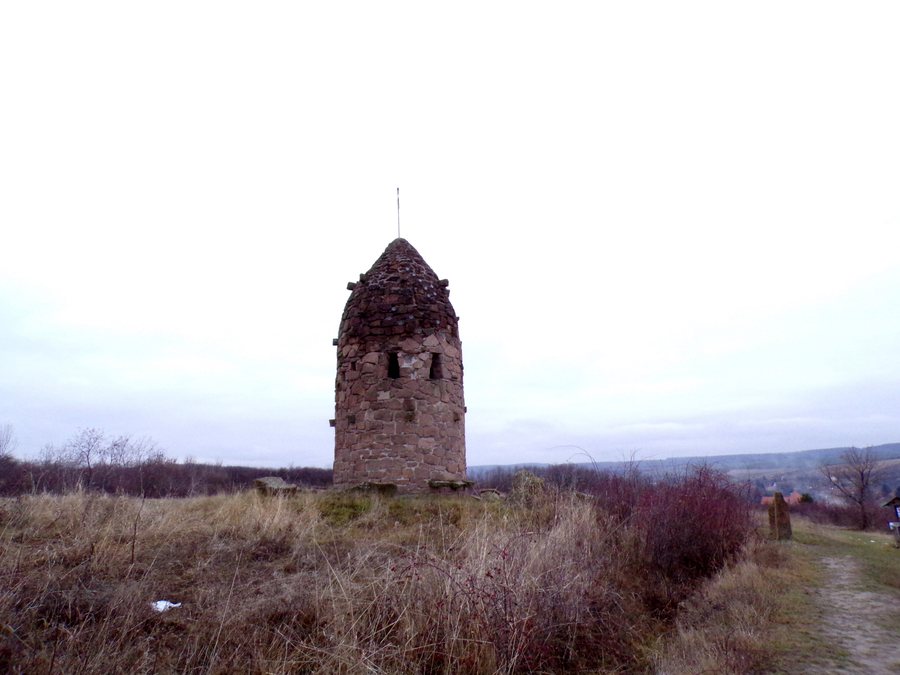
- The Ördögtorony educational trail has 21 stops over 8 kilometres and extends the village walk’s stops.
- The village’s attractions include historic homes, a lookout tower and a gallery, among others.
What does the Suba-lyuk Cave reveal?
The inactive spring cave Suba-lyuk consists of a single large chamber in Triassic limestone. Its significance lies in the Neanderthal finds, stone tools and an almost complete sequence of strata from the final period of the Ice Age. This brings geological formation and archaeological discoveries together at one site—two different ways to explore the cave.
The Subalyuk Museum displays original finds and the first casts of the world-famous Neanderthal discovery from the cave. The museum’s opening is seasonal; check visiting times for your planned date in advance.
Which cultural sites shape the village walk?
Several stops offer insight into the town’s built and social history. At Gacsó Pince in the Berezdi wine-cellar row, six stone soldiers from the First World War, armed to the teeth, were carved between 1925 and 1928. The Millenniumi Kilátó lookout tower was designed by Kossuth Prize winner György Csete and inspired by a beehive stone.
Different living conditions are also part of this picture of the town: the “Kisamerika” cave dwellings served as homes for poor families in the 1920s. The Gazdaház is the furnished home of a middle-class landowning family from the early to mid-20th century. The two places thus represent different ways of life and historical contexts.
The Art Galéria displays paintings by Fehérváriné Makó Lívia and ceramics by her daughter; both are available to buy there. The two-storey, artificially excavated tuff cave Kőporlyuk serves a different purpose: it is now used as a Nótaírena. The Cserépfalvi Imre Memorial Room presents the career of publisher Cserépfalvi Imre.
How can you plan your walk and stay?
The Ördögtorony educational trail has 21 stops over 8 kilometres and extends the village walk’s stops. Check the latest route details locally before planning the trail. This lets you distinguish between a defined educational trail route, with a stated distance, and choosing individual cultural and historical themes for your day.
If you’re looking for a hotel for your stay in Cserépfalu, first consider what interests you most about the town: the cave and its finds, historic homes, art or the various buildings.
Discover more destinations: Négyes, Szomolya, Cserépváralja, Tibolddaróc, Mezőkeresztes, Bogács, Bükkzsérc and Sály.
FAQ
What makes the Suba-lyuk Cave special?
The inactive spring cave formed in Triassic limestone and consists of one large chamber. Neanderthal finds, stone tools and its almost complete sequence of strata from the final period of the Ice Age make it significant.
How long is the Ördögtorony educational trail?
It has 21 stops over 8 kilometres and extends the village walk’s stops. Check the latest route details locally.
What should you bear in mind when visiting the Subalyuk Museum?
Opening is seasonal. Check visiting times for your planned date in advance.
See the main travel overview: Mezőkövesdi.

