
Varbó: Churches and Varbói-tó
Accommodation in Varbó
Varbó has two churches with distinct histories; the Varbói-tó is nearby. When planning your trip, consider not only local history and a walk, but also how to get there and the restrictions at the water.
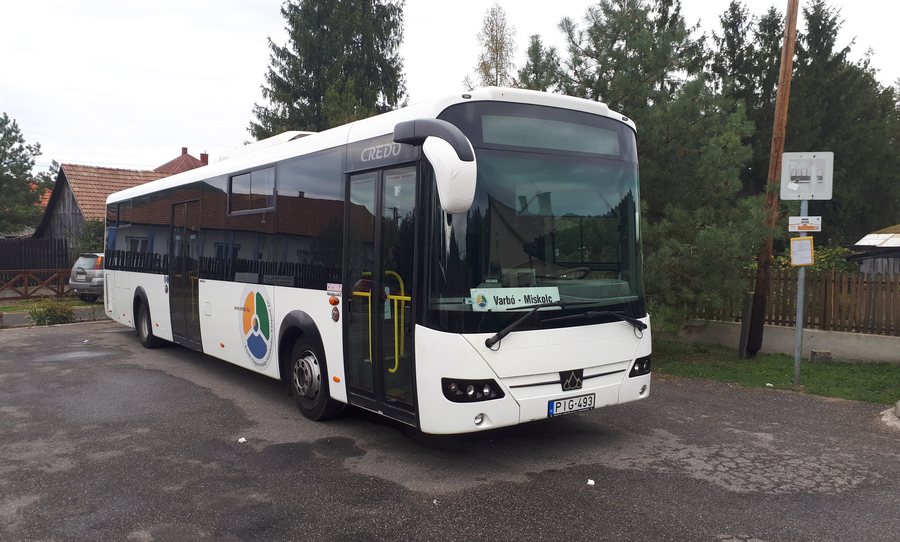
Varbó at a glance
- The medieval stone church was restored in 1694 and 1701.
- The late Baroque Reformed church was built in the village center between 1806 and 1809. Its tower collapsed in 1844 and was replaced in 1898.
- No main road runs through Varbó. Most people travel by car or bus; mountain roads connect the village, which is considered a dead-end settlement, with several other places.
- The Varbói-tó, covering about 13.5 hectares, is a well-known fishing lake in the area. Fishing is permitted only from the shore; watercraft and swimming are prohibited.
What stories do Varbó’s churches tell?
The two churches offer different points of historical interest. The stone church is medieval; records note repairs in 1694 and 1701. The Reformed church was built much later: its late Baroque structure was erected in the village center between 1806 and 1809. Varbó’s two churches thus reflect building histories from different periods.
The Reformed church’s tower has its own timeline. It stood in front of the west façade, collapsed in 1844, and was replaced in 1898. When considering the history of the village, you can distinguish the original construction from the later changes, rather than treating the dates as a single building phase.
What should you plan for getting there and visiting the Varbói-tó?
Varbó has no through main road, and most people travel by car or bus. At the same time, mountain roads connect the village, described as a dead-end settlement, with several other places. If you travel by bus, check current services in advance, as the general information does not include up-to-date timetables.
The Varbói-tó was created in the 1970s as a flood-control reservoir. It was designed to collect precipitation from the Bükk Mountains; a weir channels its water into the Nyögő-patak. The lake is therefore not only a fishing spot, but also part of local water management. It covers approximately 13.5 hectares.
The walk around the lake is considered easy, and the lake is easy to reach from Miskolc, Sajószentpéter, or Kazincbarcika. Activities on the water are clearly restricted: fishing is allowed only from the shore, while watercraft and swimming are prohibited. Municipal fishing regulations may change, so check them before your visit. You may also want to check the conditions on the walking route before setting out.
What else does Borsod-Abaúj-Zemplén have to offer?
The wider destination of Borsod-Abaúj-Zemplén offers other points of interest alongside Varbó’s local history and lakeside setting. The Baradla-Domica cave system is part of the UNESCO World Heritage site of the Caves of the Aggtelek Karst and Slovak Karst. The short Aggtelek Cave Tour is one kilometer long, takes 60 minutes, and is rated easy. Its duration is therefore more specifically defined than that of the walk, for which no duration is given here.
In Miskolc, the history of Diósgyőr Castle offers another historical highlight: it flourished under King Louis the Great in the 14th century; later, it served as a residence and as a wedding gift for six queens. For nature and landscape enthusiasts, Miskolc Zoo and Cultural Park has a nature trail featuring a nine-meter-high observation tower and a 32-meter-long suspension bridge.
The Lillafüred Forest Railway is another regional attraction. Its route runs from Diósgyőr via Lillafüred to Garadna; check the current timetable before choosing your travel date. The climate, soil quality, and slope exposure in the Tokaj wine region are suited to viticulture, and the area is protected by law. The broader region thus brings together architectural and regional history, landscapes, and winegrowing.
Discover more destinations: Sajópálfala, Lillafüred, Szirmabesenyő, Répáshuta, Felsőzsolca, Emőd, Kisgyőr and Arnót.
FAQ
How do people typically get to Varbó?
Most people travel by car or bus. No main road runs through Varbó; the village, considered a dead-end settlement, is connected to several other places by mountain roads. Check current bus services before your trip.
What is allowed at the Varbói-tó?
Fishing is allowed only from the shore. Watercraft and swimming are prohibited. Check the current municipal fishing regulations before your visit.
What construction dates are recorded for Varbó’s churches?
The medieval stone church was restored in 1694 and 1701. The late Baroque Reformed church was built between 1806 and 1809; its tower collapsed in 1844 and was replaced in 1898.
For the broader travel overview: Miskolc.

