
Kulcs: Danube riverbank, trails and history
Accommodation in Kulcs
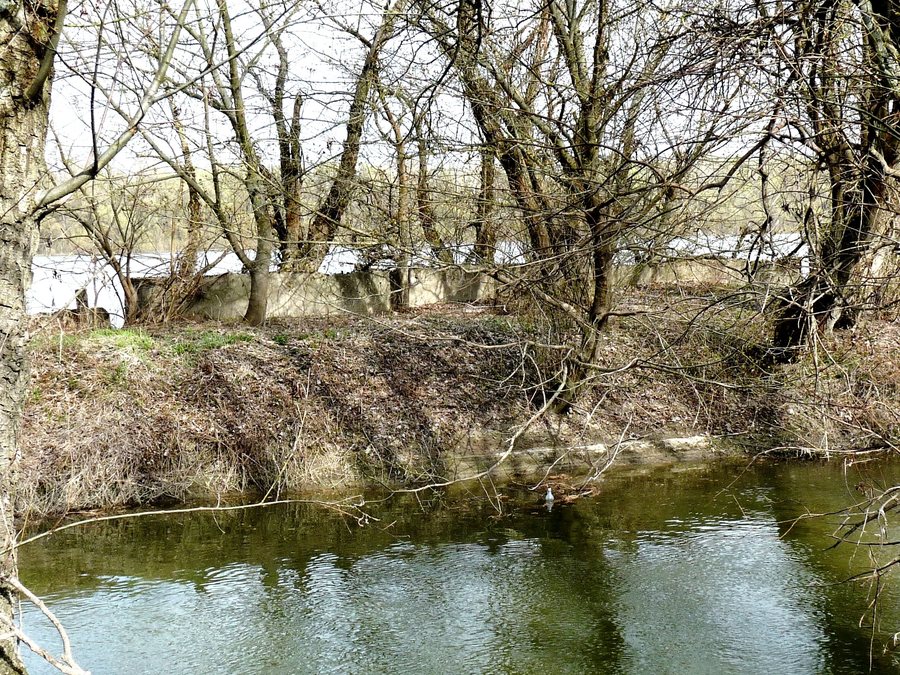
On the banks of the Danube, Kulcs brings together marked trails, fishing and local history. The town offers several points of interest for planning your trip: the riverbank, fishing, and buildings and archaeological traces.
Quick facts about Kulcs
- A municipal development plan with a planning horizon through 2030 describes the Máriaút route through Kulcs along Kossuth Lajos utca.
- A red-marked hiking trail runs through the holiday area near the Danube; the accessible stretch of riverbank is consistently gravelly, unpaved and accessible to people with disabilities.
- The townscape includes traditional houses in Ófalu, two churches and archaeological evidence of earlier settlement.
Which trails and stretches of riverbank define Kulcs?
The municipal development plan with a planning horizon through 2030 describes the Máriaút route through Kulcs along Kossuth Lajos utca. A red-marked hiking trail also runs through the holiday area near the Danube. These offer clear reference points both for exploring Kulcs and for visiting the riverbank.
The accessible stretch of the Danube riverbank is consistently gravelly, unpaved and accessible to people with disabilities. These details describe the surface and accessibility of this stretch and may be useful if you want to include time by the water in your travel plans.
Fishing is also associated with Kulcs: a municipal development plan from 2020 reports that anglers come to Kulcs from all parts of Hungary. The World Championship in spinning was held here in 2019. The competition took place in that specific year; the information about anglers is from a report published in 2020.
What do Kulcs’ houses, churches and finds tell us?
Ófalu is home to several houses that preserve the traditional character of the settlement. They are arranged along the side boundary of the plot, have verandas, consist of a single building wing and have pitched roofs. “Single-wing” refers to the arrangement within one building wing. Their position, verandas and roof shape make these traditional architectural features easy to identify.
The churches also have a clearly defined history. Next to the primary school stands the Catholic Jézus Szíve Chapel. It was built in the first half of the 20th century at the initiative of Csöngedy Gyula, dean of Adony, with the manual labor and financial support of local residents. The Reformed Church of the Kulcsi Református Egyházközség is a wooden church with a hussar tower and was built in 1942. This gives its construction date more precisely than that of the chapel, which is dated only to the first half of the century.
The area’s history goes back further: Roman Limes frontier installations and Avar-period grave finds attest to earlier settlement in the Kulcs area. Academician Bóna István played a significant role in excavating the Avar-period finds. His dissertation brought Kulcs to prominence in international archaeological literature as a rare Hungarian site of the Late Avar culture.
What role do the Danube riverbank and the boat landing play?
An article published in 2024 describes the Danube riverbank at Kulcs as picturesque and reports that the boat landing building had been renovated shortly beforehand. The building is owned by the municipality. Together with its surroundings, it is also used as an event venue. So, in addition to the riverbank and trails, a municipally owned building and its role as an event venue are part of the townscape.
If you would like to compare other destinations, explore the pages for Pusztaszabolcs, Iváncsa and Adony.
FAQ
What trails are there in Kulcs?
The municipal development plan with a planning horizon through 2030 describes the Máriaút along Kossuth Lajos utca. A red-marked hiking trail also runs through the holiday area near the Danube.
What is the accessible stretch of the Danube like?
The stretch is consistently gravelly, unpaved and accessible to people with disabilities.
What historical traces can you discover in Kulcs?
Ófalu has traditional houses with verandas; there is also the Catholic Jézus Szíve Chapel and the Reformed Church, built in 1942. Limes installations and Avar-period grave finds point to earlier settlement.
For the broader travel overview: Adonyi.

