
Pusztaszabolcs: Organ, Local History and Memorial Park
Accommodation in Pusztaszabolcs
The Baroque organ in the Szent-Imre Church, a local history collection and a memorial park give Pusztaszabolcs a distinctive cultural profile. These facts help you distinguish the town’s local themes from one another and place it within the wider travel destination of Fejér County.
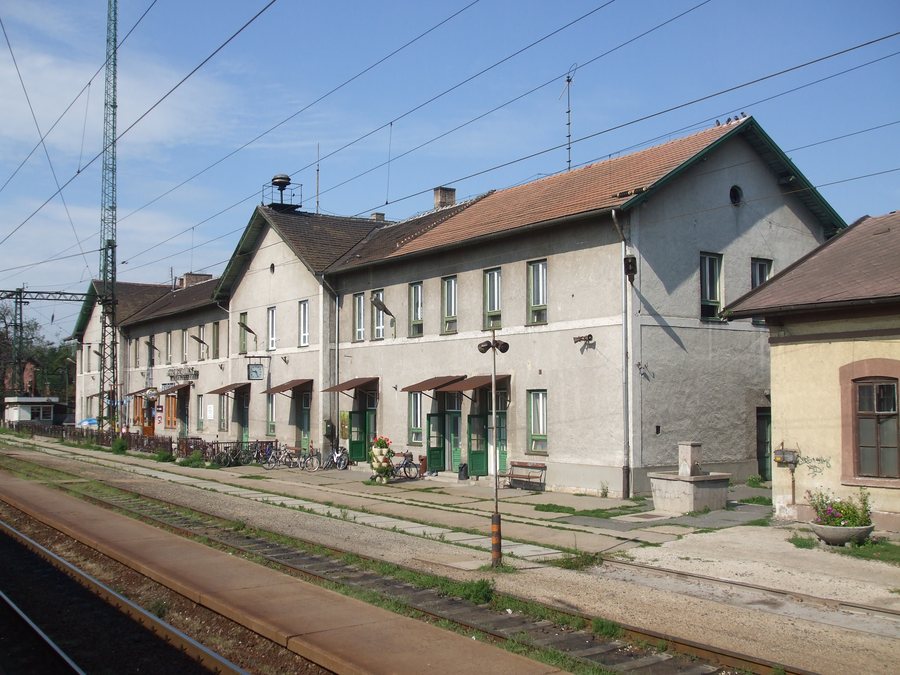
Pusztaszabolcs at a glance
The Roman Catholic Szent-Imre Church houses a Baroque organ. It was brought to the then newly built church in 1941 for 3,000 pengő.
The exhibition of the Pusztaszabolcs Local History Collection moved into its own building in 2014. The collection includes, among other things, old household items, photographs and textiles.
The Szabolcs-Vezér statue and its memorial park were inaugurated on 31 July 2016.
What does the organ’s history tell us about the town?
The dates associated with the organ mark different stages: it was brought to the then newly built church in 1941, and the large organ with two manuals was completed by 2004. “Two-manual” means that the instrument has two manuals—that is, two keyboards played with the hands.
The organ is considered Hungary’s oldest and most completely preserved organ of this type. The faithful of Pusztaszabolcs preserved the instrument for posterity; restoration remained an intention. It is used for services and organ concerts. This local theme therefore focuses both on the history of a musical instrument and its role in worship and concerts.
What local traces can be found in the collection and memorial park?
The local history collection brings together different kinds of objects and mementos: old household items and furniture sit alongside photographs, valuable documents and specialist books on local history. There are also woven textiles and crocheted tablecloths. This variety combines everyday objects with visual, written and textile holdings, offering a different approach to local history than the musical history of the church organ.
The dates also help distinguish the themes: the collection’s exhibition moved to its own building in 2014, while the Szabolcs-Vezér statue and its memorial park were inaugurated in 2016. If you plan to visit the collection, check in advance what visiting options are available.
What nature-related themes are part of the wider travel destination of Fejér County?
Alongside Pusztaszabolcs’s cultural themes, the wider travel destination of Fejér County offers different kinds of nature-related attractions. The Pákozd Rocking Stones can be reached from Pákozd via several hiking trails, which can also be cycled. A geological educational trail established in 1994 connects the rock formations.
At Lake Velence, the reed beds provide a habitat for thousands of waterbirds. In the wider travel destination of Fejér County, geological formations and a bird habitat thus complement Pusztaszabolcs’s local cultural themes.
Discover more destinations: Iváncsa, Kulcs, Adony.
FAQ
What is special about the organ in the Szent-Imre Church?
The large organ, completed by 2004, has two manuals and is considered Hungary’s oldest and most completely preserved organ of this type.
What does the Pusztaszabolcs Local History Collection include?
Its holdings include old household items, photographs, valuable documents, specialist books on local history, woven textiles, crocheted tablecloths and old furniture.
What nature-related themes are there in the wider travel destination of Fejér County?
They include the Pákozd Rocking Stones, with hiking trails and a geological educational trail, as well as the reed beds at Lake Velence, which provide a habitat for thousands of waterbirds.
See the wider travel overview: Adonyi.

