
Discover Pátka
Accommodation in Pátka
Pátka reveals several distinct traces of its history: a church with a medieval predecessor, a relocated war memorial, and the architectural heritage of the Ivánka Mansion. For planning your trip, the town offers a variety of cultural points of interest, from church and architectural history to local places of remembrance.
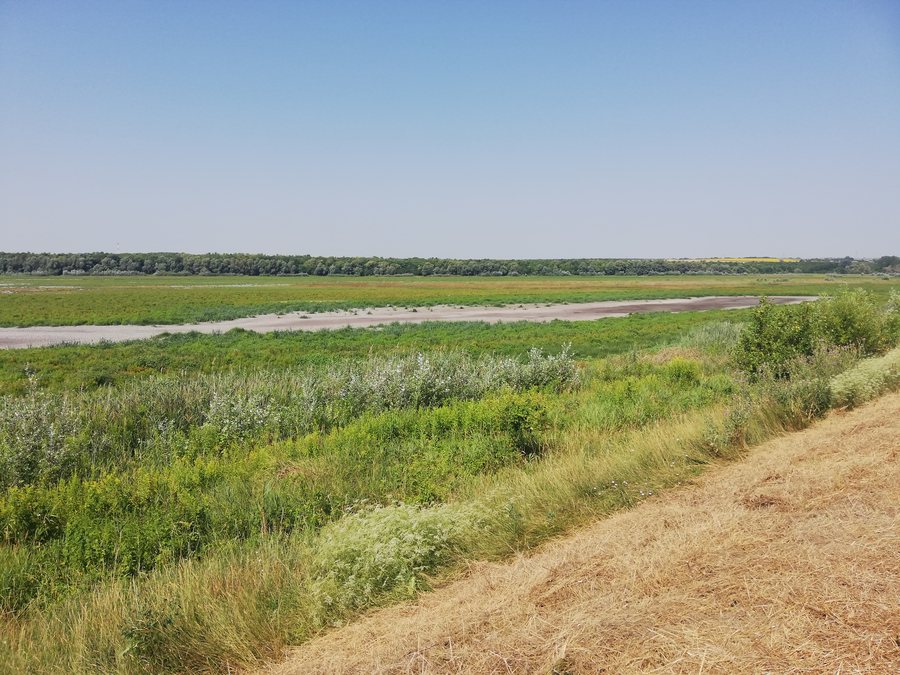
Pátka at a glance
The present-day Church of St. Anne was built between 1811 and 1818 on the site of a medieval church that had been restored in 1746. In 2015, the monument to the fallen of the First World War was moved from the area in front of the Catholic church to the memorial park at Vak Bottyán Square. Pátka’s architectural heritage includes the Ivánka Mansion; a commemorative plaque points to a house associated with Géza Gárdonyi’s early childhood.
What stories do the church and memorial sites tell?
Two periods of construction can be distinguished at the Church of St. Anne: first, the medieval church was restored in 1746; later, the present-day church was built on the same site. This chronology gives the church site a longer history than the current building alone would suggest. For culturally minded travelers, the distinction between the medieval predecessor and the building constructed between 1811 and 1818 is illuminating.
The monument to the fallen of the First World War also tells the story of a move. In 2015, it was relocated from the area in front of the Catholic church to the memorial park at Vak Bottyán Square. The plaque commemorating Géza Gárdonyi offers a different perspective: it points to a house associated with his early childhood. In Pátka, a shared place of remembrance and a biographical connection thus stand side by side.
What makes the Ivánka Mansion special?
Construction of the Ivánka Mansion began in the mid-to-late 18th century; today, the complex consists of several parts. Local residents selected the mansion as part of their architectural heritage. The complex also includes the former engine house, which was converted into a Tájház, a local heritage museum.
To understand the site, it helps to distinguish the entire complex from this individual building: the mansion’s construction history and multi-part layout are one aspect, while the conversion of the engine house is another. The term Tájház also provides context: here, it refers to a local heritage museum. Together, these offer different ways to explore Pátka’s architectural heritage, without conflating the history of the entire mansion with that of a single part.
What nature-related attractions does the wider Székesfehérvár destination offer?
The wider Székesfehérvár destination offers distinct nature-related attractions as a counterpoint to Pátka’s local history. The Pákozd Rocking Stones can be reached from Pákozd via several hiking trails that are also suitable for cycling. A geological educational trail, established in 1994, links the rock formations.
At Lake Velence, reed beds provide habitat for thousands of waterbirds. Rock formations with an educational trail and reeds as a bird habitat therefore offer different points of interest from Pátka’s church, commemorative, and architectural history. When comparing destinations, you can first decide which of these themes interests you most.
How should you choose the focus of your accommodation search?
If Pátka’s church, commemorative, and architectural history is your main interest, search specifically for hotels in Pátka. If the rock formations or waterbirds appeal to you most, include the nature-related attractions of the wider Székesfehérvár destination when choosing where to go. Base your next comparison on the personal needs of your travel group.
Discover more destinations: Sárkeresztes, Iszkaszentgyörgy, Börgönd, Sárszentmihály, Lovasberény, Székesfehérvár, Sárkeszi.
FAQ
When was the present-day Church of St. Anne built?
It was built between 1811 and 1818 on the site of a medieval church that had been restored in 1746.
What happened to the former engine house at the Ivánka Mansion?
It was converted into a Tájház, a local heritage museum.
What does the plaque commemorating Géza Gárdonyi point to?
It points to a house associated with his early childhood.
To the wider travel overview: Székesfehérvár.

