
Abda – a Neoclassical church and travel planning
Accommodation in Abda
A specific cultural and historical landmark in Abda is its Roman Catholic church. The wider travel destination of Győr-Moson-Sopron broadens the picture to include monastic history, protected landscapes and nature watching.
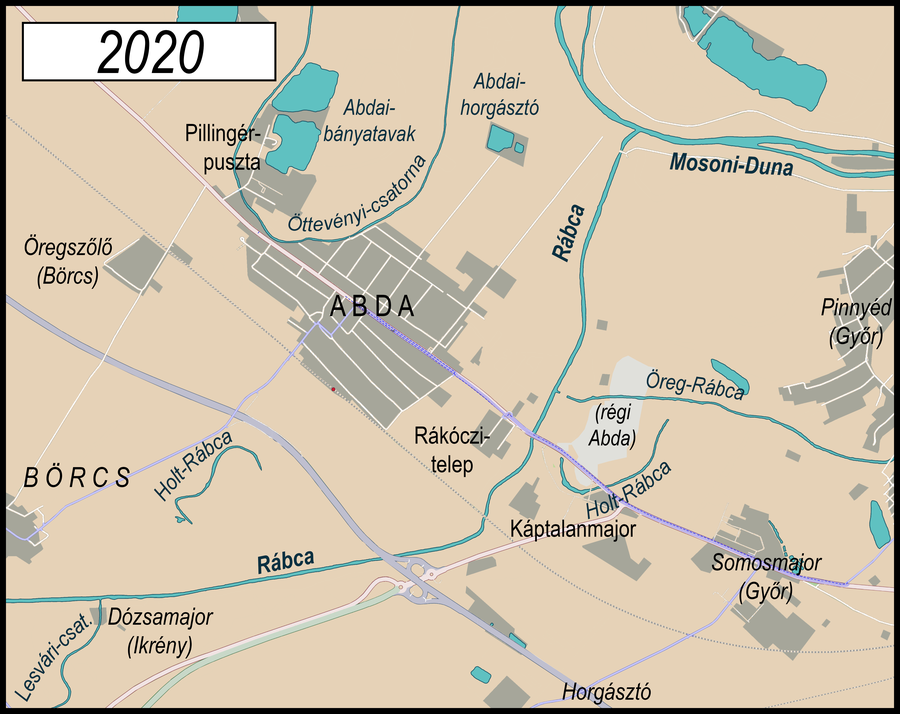
Abda at a glance
- Abda is home to a Roman Catholic church.
- It was built between 1843 and 1845 in the Neoclassical style.
- The church is a designated historic monument.
How should the church in Abda be classified?
The construction period, architectural style and designation as a historic monument describe different aspects of the church: the years 1843 to 1845 indicate when it was built, Neoclassicism identifies its style, and the designation specifies its status as a historic monument. Together, these details make it a clear cultural and historical landmark in Abda, without conflating the construction period with its status as a historic monument.
What culture does the wider travel destination of Győr-Moson-Sopron offer?
In the wider travel destination of Győr-Moson-Sopron, the cultural range extends from monasteries to palace architecture. The Benedictine Archabbey of Pannonhalma was founded in 996. The World Heritage property of the Archabbey and its natural surroundings includes the monastic complex, the basilica, educational buildings, the Chapel of Our Lady, the Millennium Chapel, and botanical and herb gardens. Religious buildings, educational buildings and gardens thus stand alongside one another as distinct elements.
The Esterházy Palace in Fertőd offers a different architectural perspective: it is considered an outstanding work of Hungarian Baroque-Rococo palace architecture. The regional cultural comparison therefore brings together a monastic ensemble and a palace. If you are interested in architecture, you can consider these two subjects as distinct examples alongside the Neoclassical church in Abda.
What landscapes does the wider travel destination of Győr-Moson-Sopron offer?
The Fertő/Neusiedler See cultural landscape includes Eurasia’s westernmost steppe lake, as well as wetlands, saline soils, reed beds and shoreline areas. This combination creates a varied landscape character: the lake and shoreline are complemented by wetlands and reeds. The Fertő-táj cultural landscape was granted UNESCO World Heritage status on December 13, 2001. This is distinct from the protected status of the Hungarian part of Lake Neusiedl, which has been protected since 1977. The lake also forms the core of Fertő-Hanság National Park.
Another landscape area in the wider travel destination is the Pannonhalma Landscape Protection Area, covering 8,272 hectares. It has two main areas: the Pannonhalma Hills and the calcareous sandy steppes of Kisalföld. The hills consist of three approximately parallel ranges: Szemere, Csanak and Pannonhalma. This makes it possible to compare two distinct landscape forms: hill ranges on the one hand, and calcareous sandy steppes on the other. From the Várhely lookout point, views extend northeast towards Sopron, Sopron-Bánfalva, Bécsi-domb, Lake Neusiedl and the Mosoni Plain.
What should you plan for a boat tour and bus connection?
In the wider travel destination of Győr-Moson-Sopron, an electric boat trip on the western side of Lake Neusiedl explores reed channels and bays. Along the way, you can observe aquatic wildlife, reed warblers, great egrets, purple herons and various ducks. Tour dates and booking conditions may change, so check them before making your plans.
Scheduled buses run daily from the bus station in Győr to the main entrance of Pannonhalma Archabbey. As transport details may change, it is advisable to check the current timetable before planning your trip.
Discover more destinations: Nyúl, Kisbajcs, Vámosszabadi, Vének, Töltéstava, Nagybajcs, Dunaszeg, Győrzámoly.
FAQ
When was the church in Abda built?
The Roman Catholic church was built between 1843 and 1845 in the Neoclassical style and is designated as a historic monument.
What are the features of the Fertő/Neusiedler See cultural landscape?
It includes Eurasia’s westernmost steppe lake, wetlands, saline soils, reed beds and shoreline areas.
Which animals can be observed on the electric boat trip?
The wildlife mentioned includes aquatic animals, reed warblers, great egrets, purple herons and various ducks. Tour dates and booking conditions may change.
How do you travel by bus to Pannonhalma Archabbey?
Scheduled buses run daily from the bus station in Győr to the main entrance of the Archabbey. Check the current timetable before planning your trip.
To the wider travel overview: Győr.

