
Discover Ágfalva
Accommodation in Ágfalva
Ágfalva brings together a nature trail, a viewpoint and notable traces of local history.
Ágfalva at a glance
- The freely accessible section of the Fürtös-bodza nature trail runs between Ágfalva and Asztalfő and is about 7.5 kilometres long; the trail is also described as just under 8 kilometres.
- Ten stations cover the nature and geology of the Soproni-hegység, water and forests, as well as Brennbergbánya, Hungary’s first hard coal mine.
- From the Ház-hegyi kilátó, you can look out over Ágfalva, the Soproni-hegység, neighbouring Austrian villages and the Somfalvi-síkság.
- A guided visit to the Ágfalvi Tájház local history museum requires an appointment in advance.
What experiences define a stay in Ágfalva?
The Fürtös-bodza nature trail connects Ágfalva and Asztalfő. Its ten stations focus on the flora and fauna, geology, waterways and forests of the Soproni-hegység. Brennbergbánya, Hungary’s first hard coal mine, is another topic. Nature and regional history thus share the same route, so you don’t have to focus on just one.
The themed circular route covering the battles of Ágfalva offers a different perspective. It passes through the village and ends at Ház-hegy. The viewpoint there looks beyond Ágfalva to the Soproni-hegység, neighbouring Austrian villages and the Somfalvi-síkság. The nature trail, historic route and viewpoint each offer a distinct focus; choose according to the topics that interest you most on your trip.
What do the buildings and collections tell you?
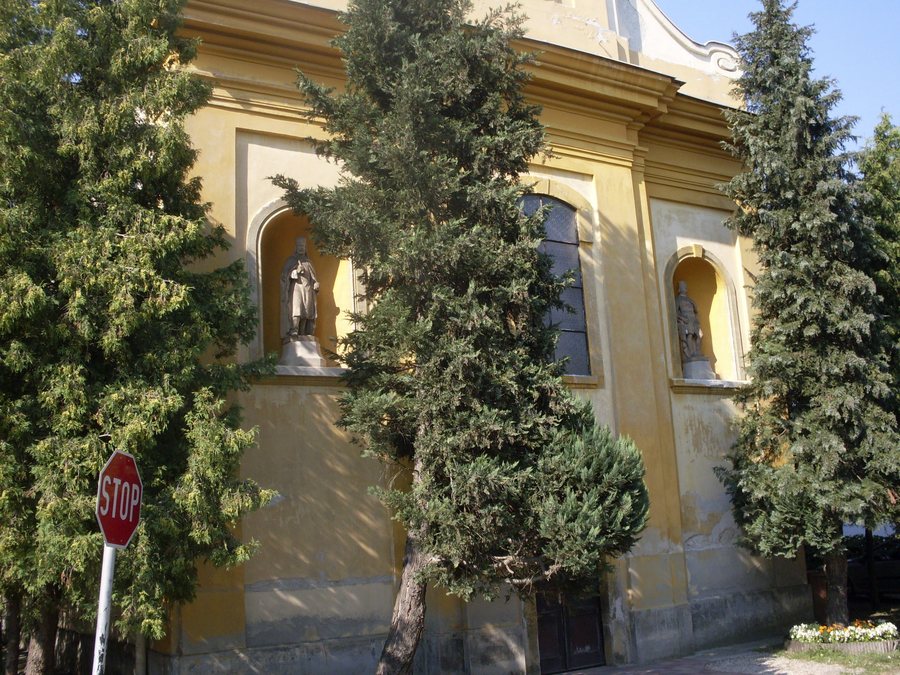
The history of the buildings is also part of the village’s character. When the foundations of Ágfalva’s Lutheran church were prepared in 1784, wooden piles were driven into the marshy ground to provide the building with a suitable foundation. This detail shows how the ground conditions were taken into account during construction.
The Ágfalvi Tájház collection is housed in a 230-year-old row of rammed-brick houses, complemented by farm buildings. The buildings and collection offer another way to explore local history. You must make an appointment in advance for a guided visit to the Ágfalvi Tájház local history museum. Arrange your visit with the museum before you arrive.
How can you tailor your hotel search to your interests?
If nature is your priority, you can use the nature trail and its ten themed stations to help plan your trip. If you’re more interested in local history, the route covering the battles, the Lutheran church and the Tájház offer other points of interest. You can consider the views and architectural history as separate highlights rather than combining them into a single activity.
When looking for a hotel in Ágfalva, it’s worth first deciding which experiences matter most to you. Check the location, price, availability and amenities of individual options directly in the booking view. If you plan to visit the local history museum on a guided tour, remember to make an appointment.
If you’d also like to compare other destinations as you plan your trip, discover Nagycenk, Szakony, Fertőhomok, Sopron, Fertőboz, Kópháza, Hegykő and Sarród.
FAQ
How long is the Fürtös-bodza nature trail?
The freely accessible section between Ágfalva and Asztalfő is about 7.5 kilometres long. The trail is also described as just under 8 kilometres.
Do you need an appointment to visit the Ágfalvi Tájház local history museum?
An appointment in advance is required for a guided visit. Arrange your visit with the museum beforehand.
What can you see from the Ház-hegyi kilátó?
The view extends over Ágfalva, the Soproni-hegység, neighbouring Austrian villages and the Somfalvi-síkság.
What topics does the nature trail cover?
At ten stations, you can learn about the flora and fauna, geology, waterways and forests of the Soproni-hegység. Brennbergbánya, Hungary’s first hard coal mine, is also covered.
For the wider travel overview: Sopron–Fertőd.

