
Furta
Accommodation in Furta
Furta brings together the town’s folk music culture and embroidery with the landscape of the Bihari Plain. If you are looking for accommodation, this overview can help you decide whether village character, culture, or the broader Hajdú-Bihar region should be the focus of your trip.
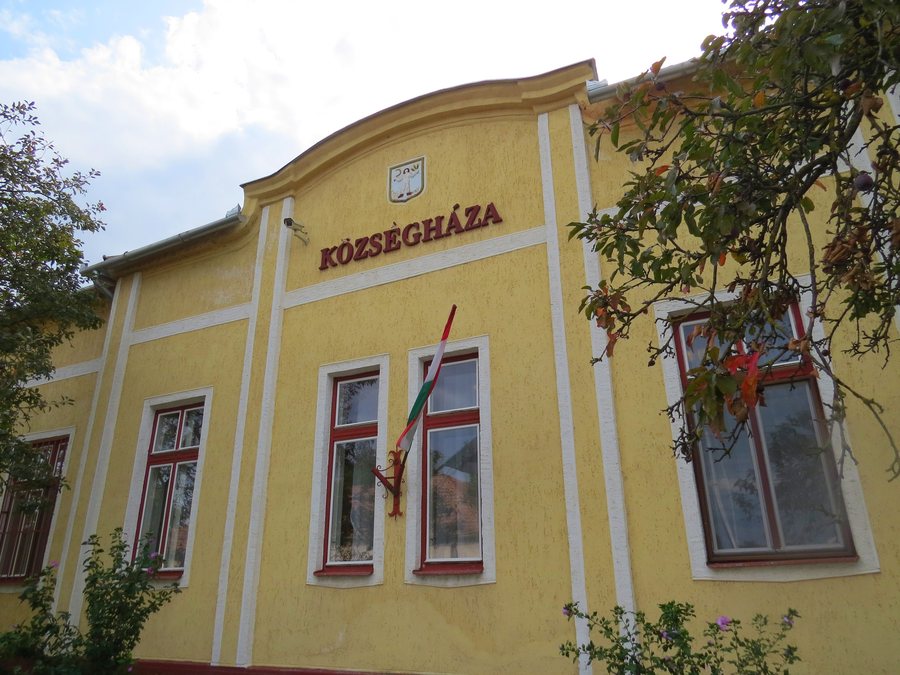
Quick Facts About Furta
- Furta is located in the western part of the Bihari Plain.
- The townscape retains characteristic features of villages in the Sárrét-Bihar area.
- The local folk music culture includes a cimbalom orchestra.
- The protected great bustard lives in Furta.
- The town hall’s large hall houses a permanent exhibition of selected pieces of Furta embroidery; check current visiting arrangements before your visit.
What is Furta’s landscape like?
The Bihari Plain is a poorly drained floodplain between alluvial fans and river ridges. Various saline soil types are also part of its description. Furta is located in its western part. These features give the landscape its distinctive character: the plain, drainage, and soil are as defining as its location within the Bihari Plain.
The protected great bustard is also part of Furta’s natural environment. It lives in Furta; however, this does not guarantee a particular viewing location or a sighting.
What culture shapes Furta?
Furta’s cultural profile encompasses both music and textile crafts. The cimbalom orchestra is part of the town’s folk music culture. It is a distinct cultural feature alongside the characteristic townscape, which retains features of villages in the Sárrét-Bihar area. Furta can thus be understood through different aspects: its local appearance and a musical tradition.
The town hall’s large hall houses a permanent exhibition of selected pieces of Furta embroidery. The term “permanent exhibition” describes the presentation; check current visiting arrangements before making plans. This allows you to take the town’s cultural focus into account without assuming that visits are available at fixed times.
This historical account offers further insight into Furta’s traditional festive culture. It should be understood as a description set in a particular historical period, not as a statement about a current event.
What does the broader Hajdú-Bihar destination offer?
Within the broader Hajdú-Bihar destination, the Hortobágyi Nemzeti Park – the Puszta World Heritage Site offers a wide-ranging view of the landscape: it covers nearly 75,000 hectares in the Great Hungarian Plain in eastern Hungary. Visible evidence of more than 2,000 years of traditional pastoralism shapes this cultural landscape. This is a regional point of reference; Furta itself is described here through its location in the western part of the Bihari Plain and its characteristic townscape.
Hajdú-Bihar also offers a regional alternative for walks: the Hortobágyi-halastó nature trail has routes of 3.6, 5.4, or 10 kilometers, with no difficult sections. The route lengths make it possible to choose a distance that suits you. Culturally, the Shepherd Museum in Hortobágy has a different focus from the embroidery exhibition in Furta: it presents the life of shepherds, as well as handcrafted clothing, tools, and decorated personal items. The museum is housed in a former coach house that was part of the Hortobágyi-Csárda complex.
Discover more destinations: Körösszakál, Mezőpeterd, Ártánd, Berettyóújfalu.
FAQ
What characterizes Furta’s landscape?
Furta is located in the western part of the poorly drained Bihari Plain, a floodplain with various saline soil types.
What cultural features does Furta have?
The folk music culture includes a cimbalom orchestra. The town hall also houses a permanent exhibition of selected pieces of Furta embroidery.
Can I visit the embroidery exhibition?
The exhibition is located in the town hall’s large hall. Check current visiting arrangements before your visit.
Go to the broader travel overview: Berettyóújfalu.

