
Heves: Churches, Collections and Cultural History
Accommodation in Heves
Heves offers different ways to explore the city’s history, from churches and historical collections to folk art and a longer tour through several places. These varied themes can help you choose what to focus on during your stay, based on your interests.
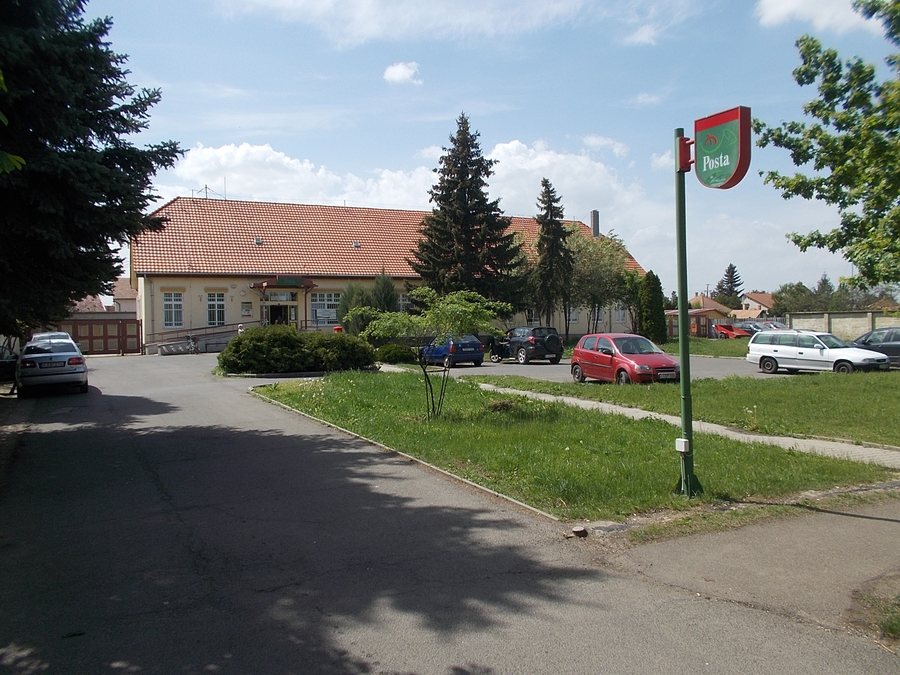
Heves at a glance
- The Roman Catholic church is the city’s oldest architectural monument. It was built in the 13th century and remodeled in the Gothic style in the 15th century.
- The Hevesi Helytörténeti Gyűjtemény presents the city’s past and present.
- A 40 km tour starts and ends in Heves.
What stories do the churches and the city collection tell?
Two churches represent different periods of construction. The Roman Catholic church, Heves’s oldest architectural monument, dates from the 13th century and was remodeled in the Gothic style in the 15th century. By contrast, the Reformed church on Gyöngyösi utca was built between 1926 and 1929. It is locally protected and considered an important building for the city’s religious and cultural life.
The Hevesi Helytörténeti Gyűjtemény opened in 2005 in the neoclassical former town hall at Hősök tere 1. Its themes are the city’s past and present. The building also houses a permanent exhibition by Kő Pál in a separate area. This brings city history and a dedicated art exhibition together under one roof.
What other collections and memorial sites are there?
A stone collection in the courtyard of the children’s library displays artifacts from former noble estates and public buildings. It also includes locally protected gravestones from disused cemeteries. The Sakkmúzeum has a different focus: it exhibits antique chess sets, medals, portraits of chess players and famous games.
Memorial sites are also part of the cityscape. The Mártírok Csarnoka in the Jewish cemetery contains furnishings from the city’s former synagogue. In 2004, a memorial site was established in the cemetery at Pusztacsász in Heves in honor of the city’s freedom fighters of 1848–1849. These places address different aspects of cultural memory.
The Radics-kúria brings together an exhibition venue, a showroom, a weaving workshop and a folk art gallery. Alongside church and city history, crafts and folk art therefore feature as distinct themes. Organizing your interests can help you choose between architecture, collections, remembrance and traditional crafts.
What should you know about the tour starting in Heves?
A 40 km tour starts and ends in Heves. Along the route are Tarnaméra, Boconád, Tarnabod, the Sóderbányák, Pintér-tanya and Erdőtelek. The stated distance and the places along the route give you a clear basis for comparison with the city’s individual cultural sites. This offers different options: focusing on Heves’s cultural themes or taking a tour that links several stops.
What other themes does the wider destination of Heves County include?
Within the wider destination of Heves County, the Hevesi Füves Puszták Landscape Protection Area lies in the southern part of Heves County. It covers 16,114 hectares, was designated in 1993 and reached its present extent after expansions in 2005 and 2008. Another landscape highlight is the 6.5 km Ilona Valley nature trail along the Ilona stream, which passes geological features of the Eastern Mátra Mountains and traces of former ore mining.
The Szépasszony Valley is also part of the cultural character of Heves County. It contains Eger’s largest continuous area of wine cellars. Wine culture and the gastronomy associated with it are among the area’s most important tourist attractions. These regional themes complement the churches, collections and memorial sites that shape the picture of Heves itself.
Discover more destinations: Kisköre, Pély and Tiszanána.
FAQ
When was the Roman Catholic church in Heves built?
It was built in the 13th century and remodeled in the Gothic style in the 15th century.
What does the Hevesi Helytörténeti Gyűjtemény display?
The collection presents the city’s past and present. A permanent exhibition by Kő Pál is also on display in a separate area of the building.
How long is the tour that starts and ends in Heves?
The tour is 40 km long and passes through Tarnaméra, Boconád, Tarnabod, the Sóderbányák, Pintér-tanya and Erdőtelek.
Go to the wider travel overview: Hevesi.

