
Pilismarót
Accommodation in Pilismarót
Pilismarót combines Roman remains with viewpoints and walks. For planning your trip, this offers several different areas of interest: archaeological history, nature, and a historical connection to the Danube.
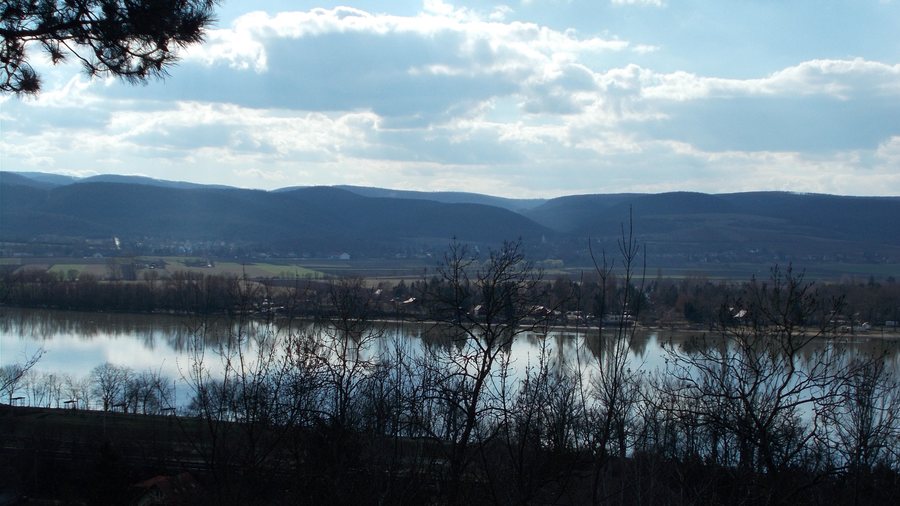 File:Pilismarót, Országzászló-emlékmű felől nézve, 2020 Zebegény.jpg
Photo: Globetrotter19 via Source, CC BY-SA 3.0
File:Pilismarót, Országzászló-emlékmű felől nézve, 2020 Zebegény.jpg
Photo: Globetrotter19 via Source, CC BY-SA 3.0
Pilismarót at a glance
Kishegy is home to significant remains of a Roman fortification, or castrum. The municipality also contains Roman watchtowers, a camp, a cemetery, and traces of settlements; the Roman name for the place was Ad Herculem. Hirsch-rom is a 451-meter-high viewpoint in the Maróti mountain range, offering panoramic views in every direction.
What Roman and historical traces can you find?
The archaeological remains in the municipality include various types of evidence: watchtowers, a camp, a cemetery, and traces of settlements. Kishegy is also home to significant remains of a fortification, or castrum. Those interested in the Roman past will find more than just a place name preserved in the historical record: the sites mentioned include evidence of fortifications, settlements, and burials.
Later buildings and works of art offer a different historical perspective. Pilismarót has a late Baroque statue of Saint John of Nepomuk, created around 1800. The former Heckenast manor house was built around 1860 in the Romantic style and is a protected monument. The two dates refer to different works: the statue is about six decades older than the manor house.
What viewpoints and walks does the surrounding area offer?
Hirsch-rom, a 451-meter-high viewpoint in the Maróti mountain range, offers panoramic views in every direction. For a walk, trails across the loess hills of Bitóc lead either to the Basaharc Valley or to Vaskapu above Esztergom. These two destinations give you specific options when planning time on foot.
Dobogókő can also be included in your route planning from Pilismarót: from Malom-völgy, it can be reached via Hosszú-hegy. This is another option besides the walk across Bitóc; the starting points and destinations differ, so they can be considered separate choices. Hoffmann Spring is another natural feature of Pilismarót.
How is Pilismarót connected to the Danube?
The outflow from the Miklós-deák-völgyi lakes runs through the outskirts of Pilismarót, in the westernmost valley of the Visegrád Mountains. Within the village, it flows into the Malom stream, which in turn flows into the Danube. This makes it possible to trace a specific watercourse from the outskirts, through the village, to the river.
The so-called “Golden Coast” is also part of the history of the village on the Danube: it was established in the 1930s and included a popular beach. A holiday colony was built nearby. The Golden Coast is part of the history of Pilismarót’s Danube riverbank.
If you are looking for a hotel in Pilismarót, you can start by deciding whether you would like to connect your stay with Roman history, viewpoints and walks, or the historical development of the Danube riverbank. Find more destination pages for Lábatlan, Dömös, Esztergom, Tát, Kertvaros, and Nyergesújfalu.
FAQ
What Roman remains can be found in Pilismarót?
Significant archaeological remains include watchtowers, a camp, a cemetery, and traces of settlements. Kishegy is also home to the remains of a Roman fortification, or castrum.
How high is the Hirsch-rom viewpoint?
Hirsch-rom is 451 meters high. It belongs to the Maróti mountain range and offers panoramic views in every direction.
Where do the walks mentioned lead?
A walk across the loess hills of Bitóc leads to the Basaharc Valley or to Vaskapu above Esztergom. From Malom-völgy, Dobogókő can be reached via Hosszú-hegy.
What was the Golden Coast?
The so-called “Golden Coast” was established in the 1930s on the Danube riverbank in Pilismarót. It had a popular beach, and a holiday colony was built nearby.
For the broader travel overview: Esztergomi.

