
Ács: Cultural History, Memorial Sites and Landscape
Accommodation in Ács
Ács brings together a range of points of interest for a trip: a castle in the eclectic Neo-Baroque style, historic memorial sites, and a body of water fed by the Concó. The landscape, with its wet meadows and sandy grasslands, also shapes the character of the town. The topics that interest you most can help guide your choice of destination and accommodation in Ács.
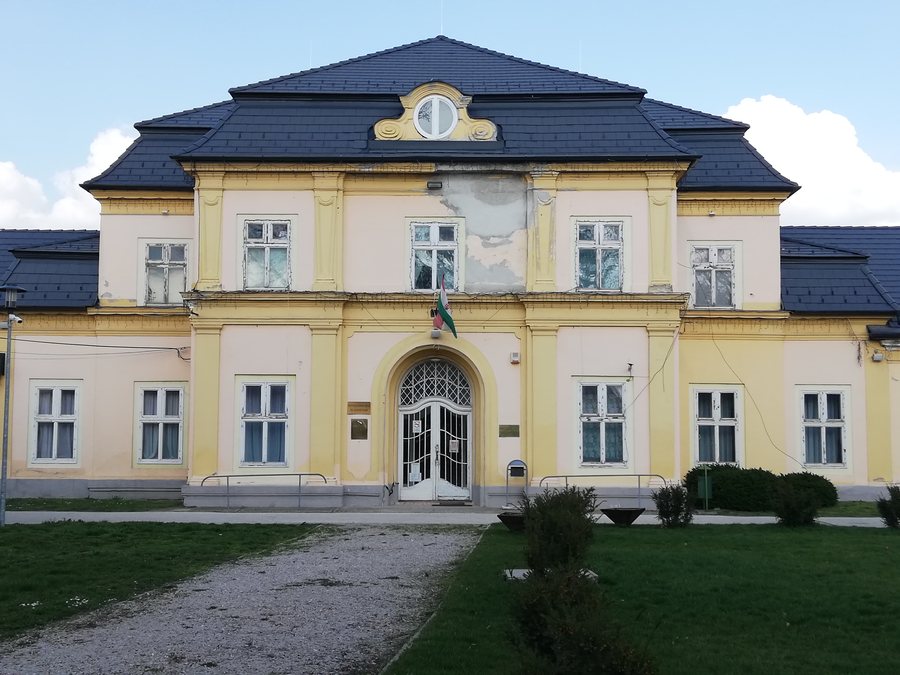
Ács at a glance
Zichy-kastély was renovated by the Zichy family in the first quarter of the 20th century. Bagolyvár houses a historical exhibition about the Ács sugar factory and a Kossuth memorial room. Ruins of Roman fortifications lie on the banks of the Danube. Malom-tó is Ács’s most significant body of standing water and is now used for sport fishing.
What cultural and historical themes does Ács offer?
The focus at Zichy-kastély is on its architectural history and style: the Zichy family had it renovated in the eclectic Neo-Baroque style in the first quarter of the 20th century.
Two other themes come together at Bagolyvár. The historical exhibition covers the Ács sugar factory, and the same building also houses a Kossuth memorial room. This brings both local industrial history and the remembrance of Kossuth into focus.
What historic memorial sites are there?
Ruins of Roman fortifications can still be found on the Danube bank in Ács. They are a distinct historical point of interest alongside the castle and Bagolyvár.
Another memorial site is the grave of Korotnoki Dániel. He was a victim of the cholera epidemic that broke out in 1849. In Ács, his grave is considered a memorial to the 1848–1849 War of Independence. Thus, this site links personal remembrance of Korotnoki Dániel with the memory of the War of Independence.
What shapes the landscape around Ács?
Scattered among medium-sized arable fields in the Ács area are patches of wet meadows, purple moor-grass wet meadows and dry sandy grasslands. These different landscape types give the surroundings more than one natural focal point: wet meadows sit alongside drier sandy grasslands, while arable fields add another element to the landscape. If nature and scenery are important to you when choosing a destination, this diversity is another aspect of Ács to consider.
Malom-tó also adds a body of water to this landscape. It is fed by the Concó, is considered Ács’s most significant body of standing water, and is now used for sport fishing. Its stated use therefore differs from that of the scattered landscape patches. The connection with sport fishing is a useful point of reference for travellers interested in the town’s waterways and landscapes.
If you would like to compare other destinations, you can also find Komárom, Bábolna and Csém.
FAQ
What can you see at Bagolyvár?
Bagolyvár houses a historical exhibition about the Ács sugar factory and a Kossuth memorial room.
What is Malom-tó used for?
Fed by the Concó, Malom-tó is now used for sport fishing and is Ács’s most significant body of standing water.
Why is Korotnoki Dániel’s grave considered a memorial site?
Korotnoki Dániel was a victim of the cholera epidemic that broke out in 1849. In Ács, his grave is considered a memorial to the 1848–1849 War of Independence.
For the broader travel overview: Komáromi.

