
Discover Terény: Lace-making and architectural heritage
Accommodation in Terény
Terény brings together lace-making, museums, and historic architectural styles. These cultural themes give you a concrete impression of the place and help you choose specific focuses for your trip.
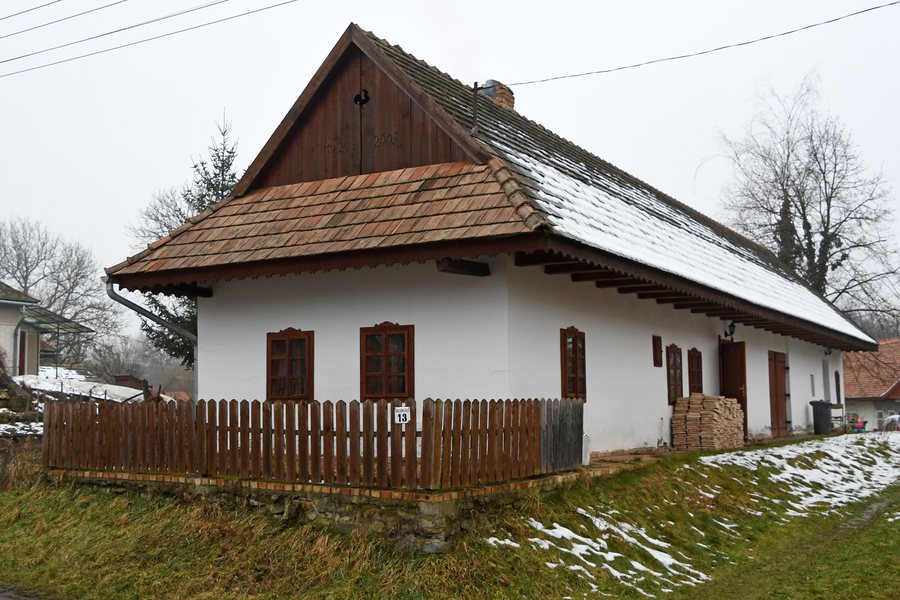 File:Terény, Bercsényi utcai népi lakóházak 2021 01.jpg
Photo: Pasztilla aka Attila Terbócs via Wikimedia Commons, CC BY-SA 4.0
File:Terény, Bercsényi utcai népi lakóházak 2021 01.jpg
Photo: Pasztilla aka Attila Terbócs via Wikimedia Commons, CC BY-SA 4.0
Terény facts at a glance
- The Hunnia Csipkemúzeum displays work by local lacemakers.
- The “Szőlősor” street preserves houses with features of traditional folk architecture.
- The Roman Catholic church was built in the Romanesque style and is mentioned in the tithe register of 1332–1337.
- Several museums cover topics including lace-making, everyday culture, technology, and music.
What cultural themes can you find in Terény?
One distinctive focus is lace-making: the Hunnia Csipkemúzeum displays work by local lacemakers. This gives the subject a direct connection to Terény. The Orsós magnó Múzeum offers a different perspective. Its working exhibits provide an overview of technology and music from 1940 to 1990. Textile handicrafts and the history of technology thus stand alongside one another as distinct points of interest.
The Falumúzeum focuses on traditional tools, clothing, and household furnishings. The condition of the old building is also relevant when visiting this museum: it is in considerable need of renovation. Another local feature is the manual ringing of bells. Together, these themes paint a picture that appeals to interests in everyday culture as well as crafts and technology.
What do the streets and buildings tell you about the place?
The “Szőlősor” street has preserved houses dating from around the turn of the century that retain features of traditional folk architecture. These include rare buildings with hipped roofs with clipped corners and board gables. If you are interested in architectural styles, you can make these details a focus of their own alongside the exhibitions: here, the subject is not individual collection pieces, but architecture as part of the streetscape.
The Roman Catholic church is also part of Terény’s architectural history. It was built in the Romanesque style and was already mentioned in the papal tithe register for 1332 to 1337. The combination of its architectural style and early written reference adds another historical layer to the place, distinct from the museums’ more recent themes.
A movable bell tower stands beside the Istálló Galéria. Its location complements the interest in manual bell-ringing with a specific structure, without equating the two subjects.
What other cultural themes does the wider destination of Neuburg offer?
The wider destination of Neuburg offers other distinct cultural themes. The old village of Hollókő is a Palóc settlement in Nógrád County and is considered a deliberately preserved, living example of rural life before the 20th-century agricultural revolution. In Csesztve, a permanent exhibition at the Madách Imre Memorial House focuses on the history of the Madách family and on “Az ember tragédiája”. These examples offer different points of interest from Terény’s lace-making, museums, and architectural styles.
Nearby, the granary in Kiskérpuszta became a memorial site in 1993. A memorial plaque links Kiskérpuszta with Albert Szent-Györgyi’s parental home. Discover more destinations: Drégelypalánk, Bercel, Csitár, Balassagyarmat, Hont, Nógrádmarcal, Érsekvadkert, Szügy.
FAQ
What does the Hunnia Csipkemúzeum display?
It displays work by local lacemakers, highlighting lace-making in Terény.
What historic architectural styles can be found in Terény?
The “Szőlősor” street preserves features of traditional folk architecture, including rare clipped hipped roofs and board gables. The Roman Catholic church is Romanesque and is mentioned in the tithe register of 1332–1337.
What should visitors know about the Falumúzeum?
It displays traditional tools, clothing, and household furnishings. The old museum building is in considerable need of renovation.
For the wider travel overview: Balassagyarmati.

