
Buják – Art, Tradition and the Way to the Castle
Accommodation in Buják
Buják brings together a portrait of an artist and living traditions with a walking trail to the nearby castle. For planning, it is important to note that the trail to the castle ruins begins outside the village. The Kálvária above Buják also adds its own distinctive landscape feature.
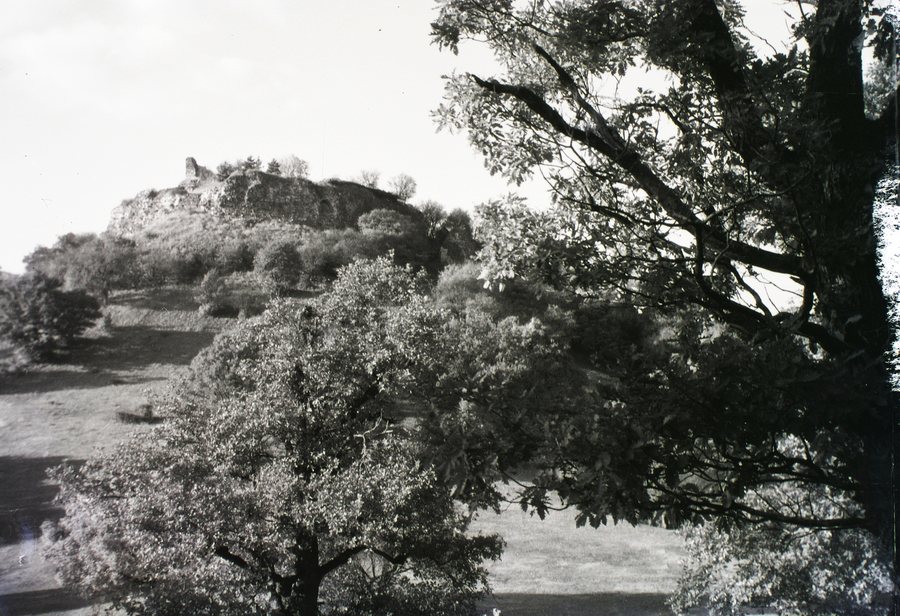 File:Buják 1929, várrom. Fortepan 95385.jpg
Photo: FOTO:Fortepan — ID 95385 : Adományozó/Donor: Schermann Ákos. archive copy at the Wayback Machine via Source, CC BY-SA 3.0
Buják at a glance
- An exhibition in Buják introduces visitors to the work of painter Glatz Oszkár; his collection of 40 paintings came to Buják in 1983.
- The Kálvária is located above Buják.
- The walking trail to Buják Castle begins about 1.5 to 2 km past the edge of the village, before a sharp bend. After walking just under 1 km, you will reach the castle ruins.
- Bujáki Vasárnap was held for the 40th time over the Pentecost weekend in 2025. Visitors and locals celebrated traditions together.
Which cultural themes shape Buják?
The Glatz Oszkár exhibition puts the painter’s work at its center. The story of the collection is part of it: the 40 paintings came to Buják in 1983. This makes the local art theme tangible through a specific artist and a dated milestone in the collection’s history.
Bujáki Vasárnap offered another cultural perspective. At its 40th edition, held over the Pentecost weekend in 2025, visitors and locals celebrated traditions together. Painting and communal customs thus offer different points of interest. If you are planning your trip around the festival, check the dates for the specific edition.
How do you plan the walk to the castle?
The walking trail to Buják Castle branches off about 1.5 to 2 km beyond the edge of the village, before a sharp bend. From there, it is just under 1 km on foot to the castle ruins. These details help you distinguish the start of the trail from the walk that follows: access is not within the village. Before your visit, check locally whether the route has changed.
The Kálvária is also a named place above Buják. It adds a landscape connection to the cultural themes, but should not be confused with the castle trail. If you are looking for accommodation in Buják, you can use these local points of interest as a starting point for your plans, then decide whether to include other places in the wider destination.
What else is there to explore in the wider destination of Neuburg?
In the wider destination of Neuburg, the old village of Hollókő offers a different perspective on cultural history. It is a Palóc settlement in Nógrád County in northern Hungary and a consciously preserved, living example of rural life before the 20th-century agricultural revolution. While Buják focuses on an individual artist, here the focus is on a settlement and its way of life.
The museums also cover different subjects. The Madách Imre Memorial House in Csesztve presents a permanent exhibition on the history of the Madách family, focusing on “Az ember tragédiája.” The Pásztói Museum uses a Baroque Cistercian monastery building, rebuilt in 1717–1718, for its permanent and temporary exhibitions. Its open-air exhibition also features a medieval glassworks and smithy, unique in Hungary as an industrial heritage monument.
Travelers with an interest in natural history will find another contrast in the wider destination of Neuburg: the Boszorkány-kő geological trail illustrates basalt volcanism that formed 2.4 to 5.2 million years ago. Features include sediment inclusions torn up from deep underground, curved lava plates and basalt columns formed by weathering. The themes are therefore quite distinct: Buják’s exhibition introduces visitors to a painter, while the trail focuses on rock formations and how they formed.
Discover more destinations: Tar, Garáb, Bér, Szirák, Vanyarc, Alsótold, Jobbágyi and Palotás.
FAQ
Where does the walking trail to Buják Castle begin?
The trail branches off about 1.5 to 2 km past the edge of the village, before a sharp bend. From there, it is just under 1 km on foot to the castle ruins.
What is Buják’s connection to Glatz Oszkár?
An exhibition in Buják introduces visitors to the painter’s work. His collection of 40 paintings came to Buják in 1983.
When was the 40th edition of Bujáki Vasárnap held?
It was held over the Pentecost weekend in 2025. Visitors and locals celebrated traditions together.
See the wider travel overview: Pásztói.

