
Discover Vanyarc: History and Collections
Accommodation in Vanyarc
Vanyarc brings together the history of its Protestant congregation, historical family connections, and two distinct collections. Church history, folk costumes, and finds from different periods each offer a different perspective. The following information will help you put these topics into context as you consider Vanyarc as a travel destination.
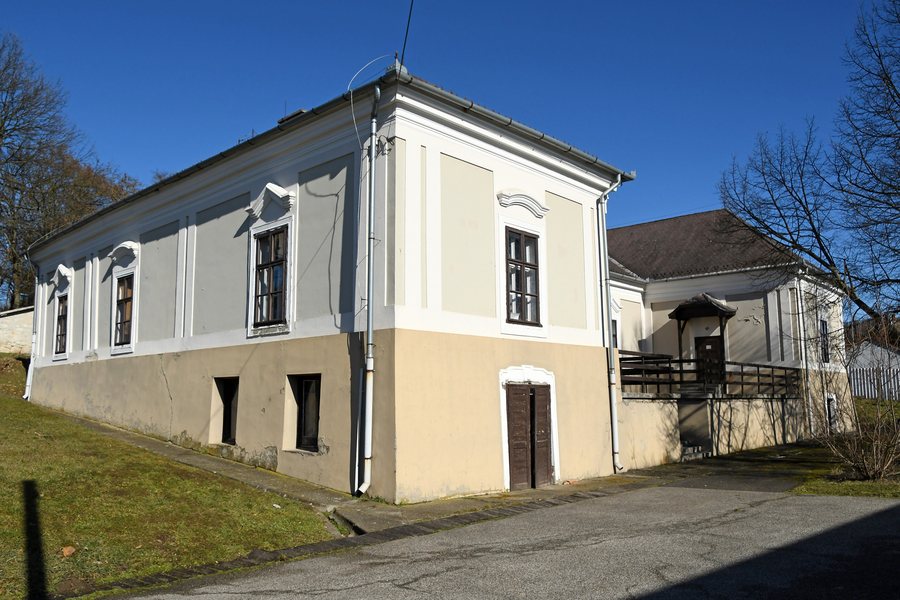 File:Vanyarc, Dessewfyy–Bánffy-kúria 2021 01.jpg
Photo: Pasztilla aka Attila Terbócs via Wikimedia Commons, CC BY-SA 4.0
Vanyarc at a glance
- The Protestant congregation became independent in 1783; the church was built in 1799–1800.
- The Dessewffy-Bánffy kúria is privately owned. The so-called “Madách lime tree” stands in its garden.
- The Viselettörténeti Babamúzeum preserves miniature versions of Vanyarc folk costumes.
- The Ősmaradvány- és kőzetkiállítás displays finds from the Ice Age and the Bronze Age. Its address is Sziráki út 12, 2688 Vanyarc.
Which historical traces have shaped Vanyarc?
The history of the Protestant congregation can be understood through two distinct dates. In 1783, with the permission of Emperor Joseph II, the congregation became an independent mother church; that same year, it chose Mihály Petyjan as its pastor. The church was built later: the congregation erected it in 1799–1800 under Pastor István Benczúr. The congregation’s status and the church’s construction thus mark different stages in local church history.
A historic residence is also associated with a specific year. An inscription above the stone-framed cellar entrance states that Draskótzi Ilgo Sándor had the family residence in Vanyarc built in 1763. The Dessewffy-Bánffy kúria is privately owned; the so-called “Madách lime tree” stands in its garden.
Veres Pálné Beniczky Hermin is also associated with Vanyarc’s manor house: she brought it to national prominence in the mid-19th century. Madách Imre and his friend Szontágh Pál also visited Vanyarc frequently. Mikszáth Kálmán was likewise a guest of the Veres family on several occasions. Together, these connections give the town’s history a family and literary dimension alongside its church history.
What do the local collections explore?
The Viselettörténeti Babamúzeum preserves miniature versions of Vanyarc folk costumes. The museum also documents festive clothing from nearly 100 years ago through old photographs and stories told by older residents. The festive clothing is considered unique of its kind. The collection thus combines miniatures with documentation drawing on both images and oral memories.
The Ősmaradvány- és kőzetkiállítás has a different focus: it displays, among other things, finds from the Ice Age and the Bronze Age. It turns attention to different geological periods and to prehistoric finds. The exhibition is located at Sziráki út 12, 2688 Vanyarc. Check the address before you travel.
The collections offer different perspectives: the Babamúzeum explores Vanyarc folk costumes and how they have been passed down, while the Ősmaradvány- és kőzetkiállítás focuses on finds from the Ice Age and Bronze Age. This lets you choose what to explore based on your interests without reducing the town’s history to just one theme.
Discover more destinations: Szirák, Pásztó, Felsõtold, Palotás, Jobbágyi, Kozárd, Tar, Szurdokpüspöki.
FAQ
Which years are important in the history of the Protestant church?
In 1783, with the permission of Emperor Joseph II, the Protestant congregation became independent and chose Mihály Petyjan as its pastor. The church was built in 1799–1800 under Pastor István Benczúr.
What does the Viselettörténeti Babamúzeum document?
The museum preserves miniature versions of Vanyarc folk costumes and documents festive clothing from nearly 100 years ago through old photographs and stories told by older residents.
Where is the Ősmaradvány- és kőzetkiállítás located?
The address is Sziráki út 12, 2688 Vanyarc. Check the address before you travel.
Go to the overview of the wider area: Pásztó.

