
Cered: Culture and Walks
Accommodation in Cered
Cered offers different ways to shape a stay: architectural history and cultural institutions, as well as two walks recommended for beginner hikers. When choosing a destination based on your interests, you can weigh cultural themes against a stay focused on walks.
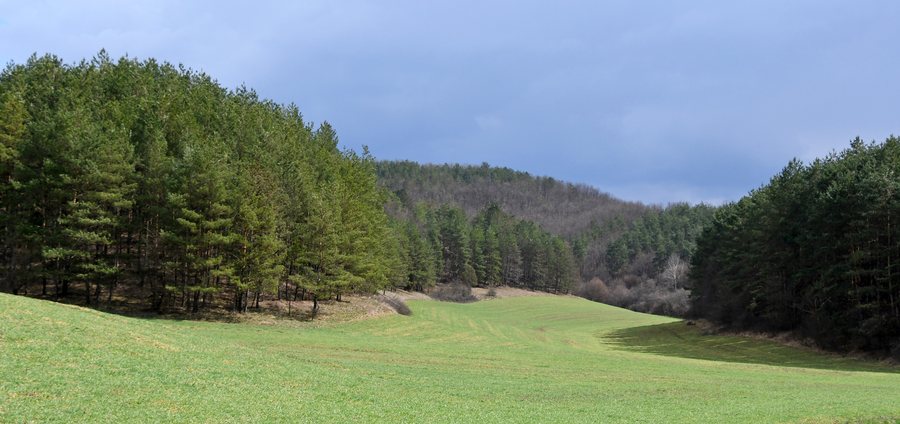 File:Cered, Felső-tarnai-dombság 2021 01.jpg
Photo: Pasztilla aka Attila Terbócs via Wikimedia Commons, CC BY-SA 4.0
File:Cered, Felső-tarnai-dombság 2021 01.jpg
Photo: Pasztilla aka Attila Terbócs via Wikimedia Commons, CC BY-SA 4.0
Quick facts about Cered
- The former Radvánszky-Humayer manor house was built before 1891 and renovated in 1986–1987. Today it serves as the village hall and cultural center.
- The Ceredi Kortárs Nemzetközi Művésztelep is an international art forum and studio based on personal attendance. It was founded in 1996.
- The Roman Catholic church was built in the Baroque style between 1755 and 1762. The wooden bell tower beside it is a protected monument.
- Two easy walks from Cered are recommended for beginner hikers: to Mise-hegy and to Vinc-vár, also called Látó-hegy on maps.
What architectural history shapes Cered?
For the former Radvánszky-Humayer manor house, its construction date, later renovation, and current function should be distinguished. The building was constructed before 1891; in 1986–1987 it was renovated to plans by Gergely Zsolt and Sattler Anna. Today it is Cered’s village hall and cultural center. For your thematic orientation, this means the building is part of both the town’s architectural history and its present-day cultural function.
Another historical landmark is the Roman Catholic church. It was built between 1755 and 1762 in the Baroque style. Beside it stands the wooden bell tower, which is classified as a protected monument. If you are interested in religious architecture and historic buildings, you can take these themes into account when choosing a stay in Cered.
What makes the art forum distinctive?
The Ceredi Kortárs Nemzetközi Művésztelep is an international art forum and studio located in Cered. Its distinctive feature is its format, which is based on personal attendance. It was founded in 1996 by Csaba Fürjesi, Cecília Kun, and László Sánta. This distinguishes the description of the art forum from that of the former manor house: the focus here is on its international scope, the combination of a forum and studio, and personal attendance.
This provides a specific cultural focus to guide your travel choice, without implying a particular schedule of visits. You can weigh whether you are primarily interested in the architectural history and historic townscape, or whether the art forum would complement your cultural perspective on Cered.
Which walks are recommended?
Two easy walks from Cered are recommended for beginner hikers: one leads to Mise-hegy, the other to Vinc-vár. The second destination is also known as Látó-hegy, the name under which it also appears on maps. If you come across both names while finding your way, they refer to the same named destination.
The recommendations give you a simple choice by destination name: Mise-hegy or Vinc-vár. Both walks are expressly described as easy and recommended for beginner hikers. This may help you decide whether you would like to add a walk to a culturally focused stay. No information about route length or duration is provided, so plan your choice using the information about the walks that matters to you.
How can you compare other places?
If you would like to visit other place pages as well as Cered, you can find Somoskőújfalu, Karancsalja, Schalgotarjan, Ipolytarnóc, Egyházasgerge, and Bárna here. This lets you compare information about each place separately, without equating Cered’s distinctive features with those of other destinations.
FAQ
What is the former Radvánszky-Humayer manor house used for today?
The former manor house now serves as Cered’s village hall and cultural center.
Which walks are recommended for beginner hikers?
Easy walks from Cered to Mise-hegy and Vinc-vár are recommended.
When was the Roman Catholic church built?
It was built in the Baroque style between 1755 and 1762.
For the broader travel overview: Salgótarjáni.
More destinations
More places under the same destination:

