
Abony
Accommodation in Abony
Abony’s churches and the Millenniumi Emlékkert offer different starting points for planning your trip: from prominent towers and architectural history to carved wooden sculptures and commemorative ceremonies.
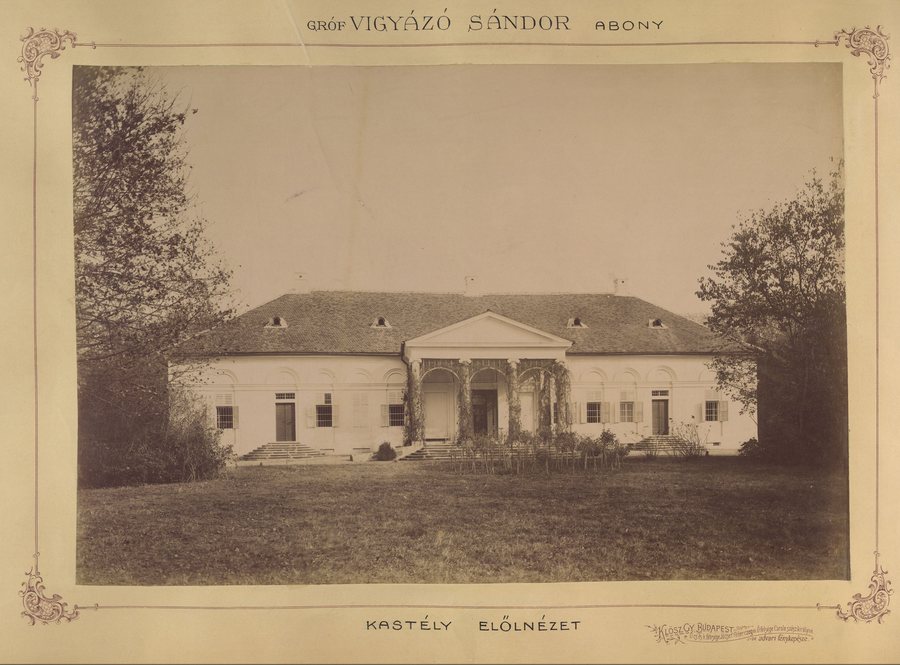 Vigyázó Antal manor house in Abony, photographed between 1895 and 1899
Photo: Photo: FOTO:Fortepan — ID 83440; donor: Budapest Főváros Levéltára
Vigyázó Antal manor house in Abony, photographed between 1895 and 1899
Photo: Photo: FOTO:Fortepan — ID 83440; donor: Budapest Főváros Levéltára
Abony at a glance
The stone Abonyi Református Templom was built in 1786; its 30-metre-high tower with a clock cornice took its present form in 1822. The Szent István Római Katolikus Templom was built between 1773 and 1785. Carved wooden sculptures by Blaskó Sándor stand in the Millenniumi Emlékkert; they were restored in 2026. The Református Templom contains 48 painted pictures, whose original arrangement is unknown.
What stories do Abony’s churches tell through their architecture?
The two churches differ both in when they were built and in the details handed down about them. The Református Templom is a stone building dating from 1786. Its 30-metre-high tower with a clock cornice took its present form in 1822. These dates provide a concrete timeline for considering the church and its tower as connected parts of its architectural history, though they were completed in different years.
The Szent István Római Katolikus Templom was built earlier, between 1773 and 1785. Its construction was initiated by parish priest Sztranovszki János; its financiers included the Balogh family of Galánta and the landowners’ community. Its central location and monumental tower, which rises above the town and stands out against the main façade, give the church a distinctive place in the townscape. A cultural comparison can therefore consider the initiative and funding behind its construction alongside the design and effect of each tower.
There is also a specific detail inside the Református Templom: 48 painted pictures can be seen there. Their original arrangement is unknown. This combination of a recorded number and an open question may be of particular interest to anyone curious about the furnishings and history of a church interior.
What makes the Millenniumi Emlékkert distinctive?
The Millenniumi Emlékkert combines a designed memorial landscape with an ongoing commemorative purpose. The garden contains carved wooden sculptures by Blaskó Sándor, which were restored in 2026. On national holidays and at events, the garden serves as a venue for commemorative ceremonies. The sculptures and the ceremonies offer two different perspectives on the same place: its artistic design and its role in public remembrance.
If you are weighing architectural history against commemorative culture when choosing what to explore on your trip, Abony’s churches and garden offer different themes. The churches invite you to focus on construction dates, towers and building history; at the Millenniumi Emlékkert, the focus is on the wooden sculptures and commemorative ceremonies held on national holidays and at events.
How does Abony fit into its regional context?
For a perspective beyond the town itself, the wider destination of Pest provides its own landscape setting. The part of the highlighted Danube Bend tourism region that lies in Pest County encompasses the entire Danube Bend, the Visegrád Mountains and the Börzsöny Mountains. This regional perspective complements the churches and memorial garden featured here: you can first consider whether you are mainly interested in Abony’s cultural attractions or would also like to take account of the wider landscape context of the Pest destination.
The construction dates, the number of pictures and the restoration of the sculptures offer concrete points of reference to help you narrow down your interests. When searching for a hotel in Abony, you can use these themes to guide your own trip planning; on their own, they say nothing about the facilities or availability of individual accommodations.
Discover more destinations: Cegléd, Ceglédbercel, Csemő, Mikebuda, Nyársapát, Nagykőrös, Dánszentmiklós, Albertirsa
FAQ
How tall is the tower of the Református Templom?
The tower is 30 metres tall. It took its present form, with a clock cornice, in 1822.
What is known about the 48 pictures in the Református Templom?
There are 48 painted pictures in the church; their original arrangement is unknown.
Who created the wooden sculptures in the Millenniumi Emlékkert?
The carved wooden sculptures are by Blaskó Sándor. They were restored in 2026.
Go to the main travel overview: Ceglédi.
