
Albertirsa – Chapels, Culture and Nature
Accommodation in Albertirsa
Albertirsa brings together the history of a memorial chapel and a former synagogue building with distinctive local nature themes. When planning a trip, the different visiting arrangements for cultural sites and the specific information about protection and conservation are particularly helpful.
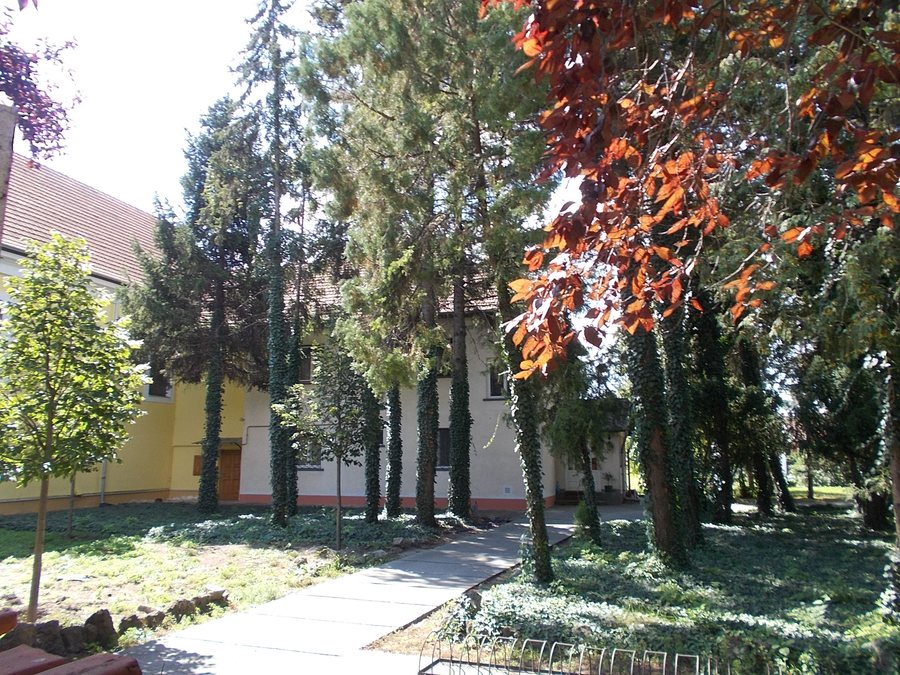 File:25 Köztársaság Street, church detail, garden, 2020 Albertirsa.jpg
Photo: Globetrotter19 via Wikimedia Commons, CC BY-SA 3.0
Quick facts about Albertirsa
- The Szapáry Chapel is also known as the Rozália Chapel and was built in 1859.
- Művészetek Háza is the former synagogue; the address is Hunyadi utca 7.
- The Dolina Valley is home to a distinctive forest community and conservation mowing.
- Albertirsai-gyurgyalagos is a 0.473-hectare natural area of local significance.
What story does the Szapáry Chapel tell?
The Szapáry Chapel, also known as the Rozália Chapel, was built in 1859 in memory of Rozália Szapáry, who died at the age of 17. Designed by Miklós Ybl, the cemetery chapel was built by Ferenc Szapáry in the same year and continues to serve the Albertirsa Catholic parish. The architectural style of the Szapáry Chapel recalls the church in Fót. The chapel thus brings together its dedication, building history, continuing community function and a specific architectural comparison. If you are interested in sacred architecture, Fót offers a named point of reference, while the memorial dedication gives the chapel’s history a personal connection.
How can the cultural sites be understood?
The former synagogue is now called Művészetek Háza and is located at Hunyadi utca 7 in Albertirsa. Its current name and former use provide different points of reference for learning about the building. The address is a practical detail for your plans; check it again before setting out.
The Faluház can be visited by prior appointment. Plan your visit for an agreed time and confirm the current arrangements in advance. This allows you to prepare for the visit rather than planning it as a spontaneous stop.
What nature themes are described for Albertirsa?
The Dolina Valley is home to a distinctive Tatar maple–loess oak forest community, now found in only a few places. For more than 20 years, conservation mowing has been carried out there once or twice a year to preserve the habitat of spring pheasant’s eye and variegated crocus. The forest community describes the distinctive habitat; the mowing shows how its preservation is supported.
Albertirsai-gyurgyalagos has a different focus: this natural area of local significance covers 0.473 hectares and was protected in 2008. Information about the two natural areas complements one another, but the areas are not interchangeable: the Dolina Valley focuses on habitat and conservation practices, while gyurgyalagos focuses on its area and local protection status. If you are weighing nature themes for your trip, these different focuses can help you choose.
When looking for a hotel in Albertirsa, the chapels, the former synagogue building and the nature conservation themes offer concrete ways to match the destination to your interests. Discover more destinations: Csemő, Abony, Ceglédbercel, Mikebuda, Dánszentmiklós, Nagykőrös, Cegléd, Nyársapát.
FAQ
Who is the Szapáry Chapel dedicated to?
It was built in 1859 in memory of Rozália Szapáry, who died at the age of 17. The chapel is also known as the Rozália Chapel.
Where is Művészetek Háza located?
The former synagogue building is at Hunyadi utca 7 in Albertirsa. Check the address again before setting out.
What arrangements apply to visiting the Faluház?
It can be visited by prior appointment. Confirm the current arrangements in advance.
For the broader travel overview: Ceglédi.

