
Pilisborosjenő
Accommodation in Pilisborosjenő
Those who want to include cultural history, marked routes, and geological features in their travel plans will find a range of places to visit in Pilisborosjenő. The castle replica, Kevélyhegyi Nature Trail, and Calvary each offer a different focus.
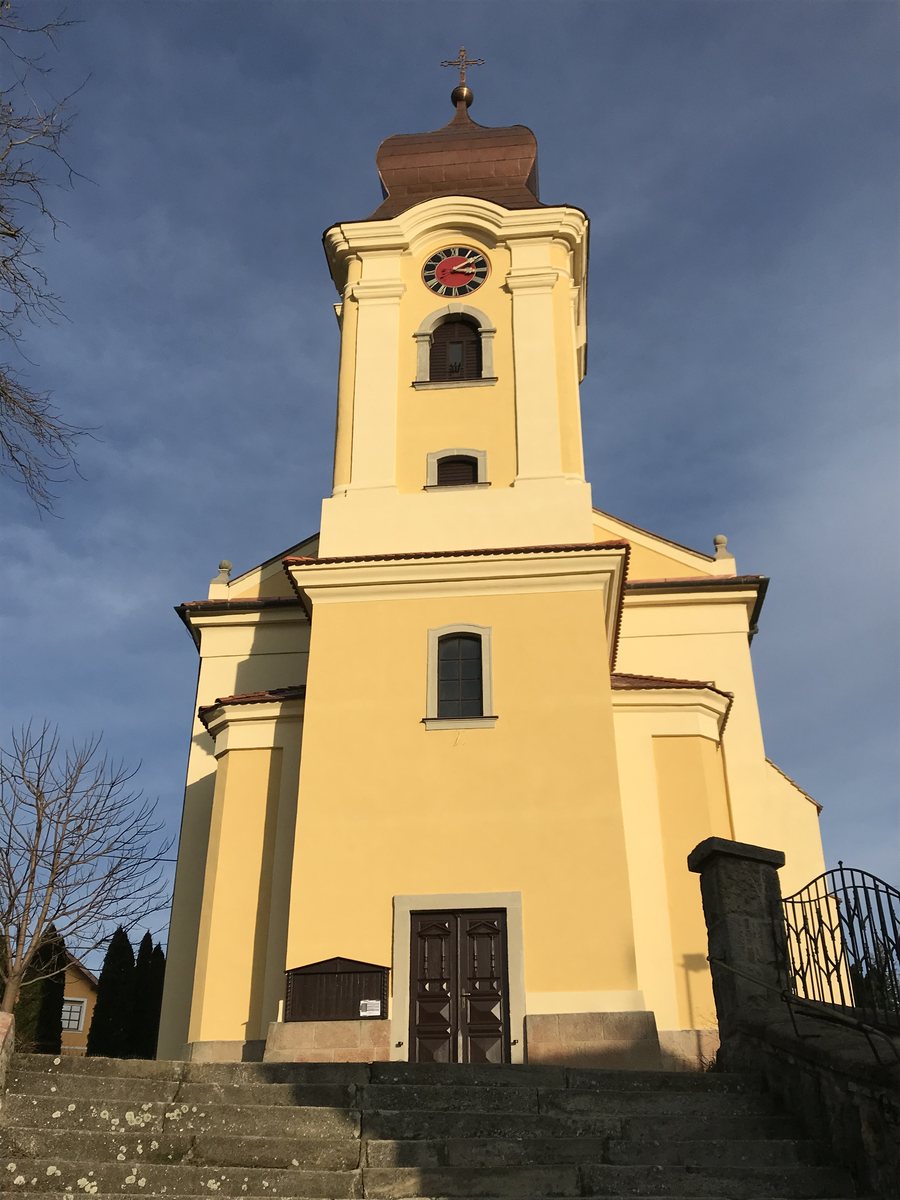 File:Pilisborosjenő - római katolikus templom.jpg
Photo: Kolibri1803 via Wikimedia Commons, CC BY-SA 4.0
File:Pilisborosjenő - római katolikus templom.jpg
Photo: Kolibri1803 via Wikimedia Commons, CC BY-SA 4.0
Pilisborosjenő at a glance
The Kevélyhegyi Nature Trail was completed in spring 2008 and is about 10 km long. It leads to cultural-historical and natural highlights of Pilisborosjenő and its surroundings. The places described include the Calvary and the replica of Eger Castle. A yellow-marked route toward Kevély Saddle starts in the village center on Templom Street; a blue-marked route for cyclists starts there on the former Roman road.
What cultural history can you discover here?
The replica of Eger Castle is on the southwestern slope of Nagy-Kevély, within the municipality of Pilisborosjenő, near Teve Rock and the National Blue Trail. It was built in the 1960s for the filming of Egri csillagok. It is therefore not the historic Eger Castle, but a structure with its own film history. If you are interested in the connection between film and local history, you can take this background into account when planning your trip.
Another cultural-historical site is the Calvary. Its stations and crosses were made from Hárshegy sandstone and funded by donations from village residents. The Calvary is a stop on the Kevélyhegyi Nature Trail, on 278-meter-high Vendel Hill within the municipality. The material, funding, and location each tell a different part of its story: the sandstone identifies the material used, the donations reflect the involvement of village residents, and the hill its specific location.
Which routes and stops suit your interests?
The approximately 10 km-long Kevélyhegyi Nature Trail offers a way to combine cultural-historical and natural highlights of the area along one route. Information boards at the stops describe the features and values of each place in detail. If you would also like to learn more about the places you visit along the way, these boards are part of what the nature trail offers. You can take the stated length into account when planning your day; it does not indicate a walking time.
The marked routes also differ in their stated purpose and starting point. The yellow route toward Kevély Saddle starts in the center of Pilisborosjenő, on Templom Street. A blue route marked for cyclists also starts in the village center, but on the former Roman road. If you choose the village center as your starting point, you can distinguish between the route toward Kevély Saddle and the route explicitly marked for cyclists.
There are also route connections to Gyopáros Cave in the vicinity of the village: from Pilisborosjenő, the yellow marking passes below the cave. A blue route above Teve Rocks also runs below the cave. These details help distinguish the routes described; they do not identify the cave as a starting point in the village center.
Where can you find geological features and views?
Near Teve Rock, the wall of a quarry displays impressive geological formations. There is a view from its upper edge. This is a different focus from the nature trail’s cultural-historical stops: here, the rock formations and the view from above take center stage. When choosing, you can therefore consider whether you are especially interested in local history, detailed information at the nature trail stops, or geological formations.
If you would like to compare other destinations, you can also find Üröm, Piliscsaba, Nagykovácsi, Tinnye, Pilisvörösvár, Pilisjászfalu, Zsámbék, and Solymár here.
FAQ
How long is the Kevélyhegyi Nature Trail?
The nature trail is about 10 km long and leads to cultural-historical and natural highlights of Pilisborosjenő and its surroundings.
What is the story behind the castle replica?
The replica of Eger Castle was built in the 1960s for the filming of Egri csillagok. It is on the southwestern slope of Nagy-Kevély, within the municipality of Pilisborosjenő.
Where does the yellow route toward Kevély Saddle start?
It starts in the center of Pilisborosjenő, on Templom Street.
For the broader travel overview: Pilisvörösvári.

