
Kismaros
Accommodation in Kismaros
Kismaros combines hiking destinations in the Danube Bend with village history and a ride on the Királyréti Forest Railway.
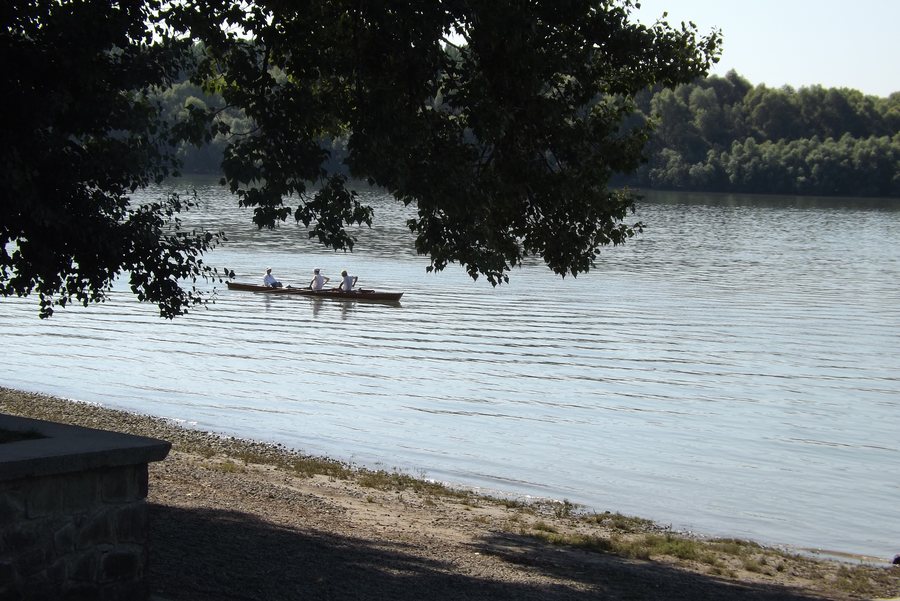 File:Kismaros, Dunapart.jpg
Photo: Kossuthzsuzsa at Hungarian Wikipedia via Wikimedia Commons, CC BY-SA 3.0
File:Kismaros, Dunapart.jpg
Photo: Kossuthzsuzsa at Hungarian Wikipedia via Wikimedia Commons, CC BY-SA 3.0
Quick facts about Kismaros
- The described hike via Gál-hegy to Nagy-Kőszikla is 7 km long, climbs 600 metres and takes about 3 hours.
- The Királyréti Forest Railway runs from Kismaros to Királyrét; the journey takes 30 minutes.
- The Danube riverbank includes a largely unspoilt stretch of the Danube Bend that provides a habitat for numerous waterbirds and amphibians.
- The Kismarosi Sváb Muzeális Gyűjtemény is dedicated to village history and ethnographic traditions.
Which hike would you like to take?
There are two hikes to Nagy-Kőszikla, described differently. The route via Gál-hegy covers 7 km and climbs 600 metres; the estimated duration is about 3 hours. The route through the Csömöle Valley to Nagy-Kőszikla is described as 9 km, with 650 metres of elevation gain and an estimated duration of about 4 hours. When choosing your hike, you can take the distance, elevation gain and time into account without reducing the two routes to a simple kilometre count.
Another hike leads through the Csömöle Valley to the meadows of Szokolyai. It is 7 km long, climbs 400 metres and takes about 3 hours. When weighing up the three descriptions, you can compare the stated elevation gains and estimated durations, as well as the destinations: Nagy-Kőszikla or the meadows of Szokolyai. The times are approximate and can help you choose the hike you would like to take during your stay.
What can you expect at Nagy-Kőszikla and the Danube riverbank?
From Nagy-Kőszikla, the panorama extends approximately 180 degrees across the Danube Bend and the Pilis Mountains. The viewpoint is therefore a highlight in its own right on the hikes to Nagy-Kőszikla described here. The Danube riverbank offers a different perspective on the landscape: the stretch near Kismaros is considered largely unspoilt and provides a habitat for numerous waterbirds and amphibians. The riverbank is also suitable for canoeing. If you would like to include nature and culture in your travel plans, you can combine these experiences with a visit to the local collection.
Kismaros is one of the municipalities within the Duna-Ipoly National Park. Together with the Danube riverbank and hiking destinations, this offers an overview of the area’s various natural features: river landscapes, wildlife habitats, and trails leading to viewpoints and meadows. The forest railway adds a journey to Királyrét to the options.
What does the collection reveal about village history?
The permanent exhibition at the Kismarosi Sváb Muzeális Gyűjtemény spans the period from the first Swabian settlers, who settled here in the first half of the 18th century, to the present day. It explores ethnographic traditions and the history of the village. On display are historical objects typical of village life, old documents and photographs, as well as former tools used in agriculture and viticulture. The collection also includes relics of religious life.
The various exhibits offer several ways to explore local history: documents and photographs are displayed alongside everyday objects and tools from different fields of work. If you would like to learn about Kismaros through more than its landscapes and hiking trails, the permanent exhibition offers a distinct cultural highlight.
How do you get to the Királyréti Forest Railway?
Kismaros is on the Budapest–Vác–Szob railway line. The Királyréti Forest Railway station is a few minutes’ walk from the Kismaros stop. This makes it easy to include the railway station when finding your way around the area, without needing to plan a longer walk between the two stations.
The forest railway journey from Kismaros to Királyrét takes 30 minutes. Two separate details are therefore useful for planning: the short walk from the stop to the forest railway station and the duration of the journey itself. No information about other departures or journey times is included here.
FAQ
How long do the described hikes take?
The hike via Gál-hegy to Nagy-Kőszikla takes about 3 hours. The route through the Csömöle Valley to Nagy-Kőszikla is estimated to take about 4 hours, while the described hike to the Szokolyai meadow takes about 3 hours.
How long does the Királyréti Forest Railway journey to Királyrét take?
The journey from Kismaros to Királyrét takes 30 minutes.
What can you see at the Kismarosi Sváb Muzeális Gyűjtemény?
The permanent exhibition includes historical objects, old documents and photographs, former tools used in agriculture and viticulture, and relics of religious life. It covers the village’s history and ethnographic traditions from the arrival of the first Swabian settlers in the first half of the 18th century to the present day.
What does the Danube riverbank near Kismaros offer?
The largely unspoilt stretch of the Danube Bend provides a habitat for numerous waterbirds and amphibians. The riverbank is also suitable for canoeing.
For the main travel overview: Vác.

