
Verőce: Culture, Danube Promenade and Roman History
Accommodation in Verőce
Verőce is home to the Gorka Museum and the starting point of a walking promenade; Roman remains can be found nearby. Art, paths along the Danube and archaeology each offer a different focus.
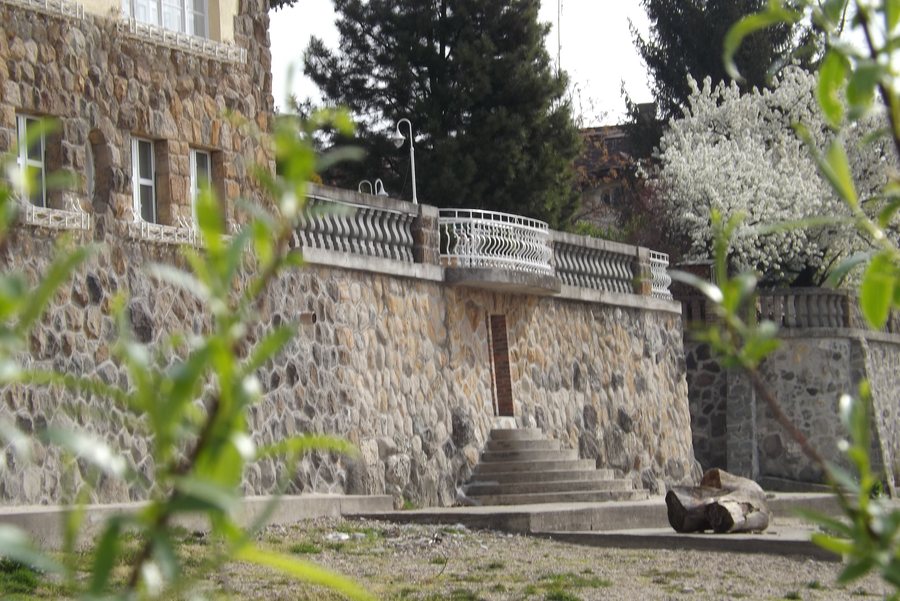 File:Duna-parti támfal a Dunai lejárónál, Verőce, 197.jpg
Photo: Kossuthzsuzsa at Hungarian Wikipedia via Source, CC BY-SA 3.0
Verőce at a glance
- The Gorka Museum is housed in the former residence of ceramic artist Gorka Géza.
- The walking promenade starts in Verőce and runs along an avenue lined with walnut trees.
- East of the town, ruins of a small Roman fort dating to the 4th century lie on the banks of the Danube.
- A cycle path connects Verőce with the Roman harbor fort; a promenade also leads from the town to the site of the Solva 38 Roman watchtower.
What cultural and historical themes can you explore?
The Gorka Museum in Verőce is housed in the former residence of Hungarian ceramic artist Gorka Géza. Visiting the museum therefore also means seeing a building with a direct connection to the artist. The museum hosts changing exhibitions. One example is the contemporary art exhibition “Pillanatkép,” featuring works by local artists from Verőce. Since the program changes, check in advance which exhibition will be on during your stay.
The Roman past takes center stage nearby. East of Verőce, on the banks of the Danube, lie the ruins of a small Roman fort. In the 4th century, it served as a fortified harbor and was an important link in the defense of the Danube Bend frontier. An exhibition in a renovated former transformer house explores the frontier of the Roman Empire and Verőce’s mysterious early history.
The LIMES Park and the Solva 38 Roman watchtower nearby can be visited at any time, without prior registration and free of charge. Check the latest access information before your visit.
How can you reach the watchtower area?
The routes described differ in their starting point and mode of transport: a cycle path connects Verőce with the Roman harbor fort. If you arrive in Verőce by train or boat, you can reach the Solva 38 Roman watchtower area via the promenade. When planning your day, you can therefore choose between the cycling connection to the harbor fort and the route from your arrival point to the watchtower area. Check local route conditions and transport connections before your trip.
What does the walking promenade along the Danube offer?
The walking promenade starting in Verőce runs along an avenue lined with walnut trees. Rest areas provide places to take a break, while cultural experience stations add to the route. A walk therefore takes in both the avenue and the stations along the promenade. The recently uncovered walls of a Roman harbor fort nearby offer a place to relax and an archaeological experience.
Verőce’s Danube waterfront is used for recreation and leisure in summer. This is a distinct seasonal focus, alongside museum visits and Roman history. If you are planning a summer trip, you can factor in time by the riverbank.
How do you choose a hotel in Verőce?
Then compare the specific location details and services of each hotel with your travel plans. This lets you choose accommodation based on your own priorities, rather than assuming that a general type of accommodation will have the right location or amenities.
Discover more destinations: Szokolya, Vác, Acsa, Sződliget, Kismaros, Nagymaros, Kosd.
FAQ
What can you see at the Gorka Museum?
The museum is housed in Gorka Géza’s former residence and hosts changing exhibitions. One example is “Pillanatkép,” featuring works by local artists from Verőce; the specific program may change.
How do you get from the train or boat to the watchtower area?
If you arrive in Verőce by train or boat, you can reach the Solva 38 Roman watchtower area via the promenade. Check the latest transport connections and access information before your trip.
What was the significance of the small Roman fort?
The small fort was located east of Verőce on the banks of the Danube. In the 4th century, it served as a fortified harbor and was an important link in the defense of the Danube Bend frontier.
For the wider travel overview: Váci.

