
Kosd: Nature and Churches
Accommodation in Kosd
Kosd combines a locally protected area on Naszály Hill with churches and monuments whose architectural forms or locations are specifically identified.
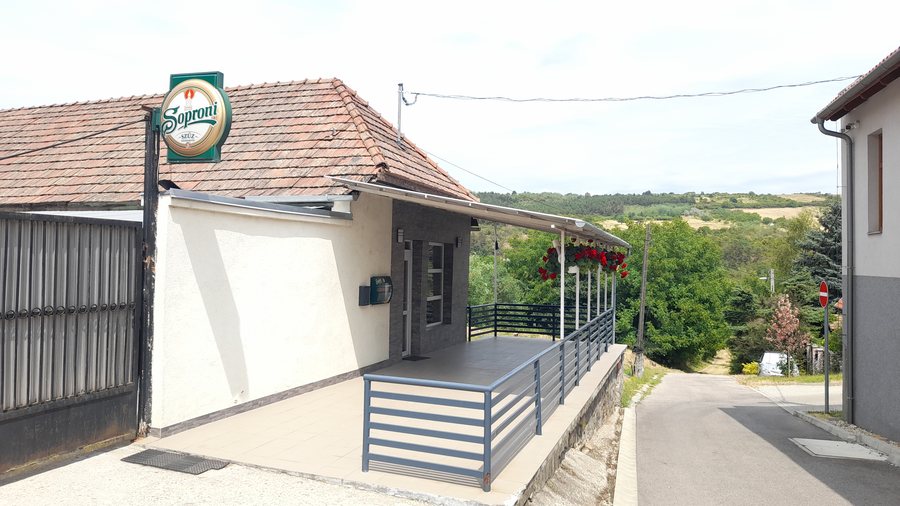 File:Pest Megyei Piros pecsételőhely Kosd PMP 03.jpg
Photo: levcsesz via Wikimedia Commons, CC BY-SA 4.0
Kosd at a glance
- Part of Naszály Hill within Kosd is protected as a local nature area under a municipal decree issued in 2025.
- The protected area includes Násznép Cave and the open woodland of Kopaszok.
- The Roman Catholic Church contains Romanesque ashlar stones dating from the first half of the 13th century.
- The Reformed Church is a single-nave building in the Zopf style.
- The Milleniumi emlékmű stands on Bocskai utca next to the school; the Honfoglalási emlékmű is located at Eőszi Lőrinc tér.
What characterizes the nature area in Kosd?
When it comes to nature, the exact boundaries matter: a section of Naszály Hill within Kosd is designated as locally protected. This refers to a specific part of the hill. The protected area includes Násznép Cave and the open woodland of Kopaszok. These are two concrete natural features: a named cave and a woodland area.
The protection status and these two named features give you a specific point of reference if nature is a factor in planning your trip. The description concerns the features of this designated area, rather than Naszály Hill as a whole.
What distinguishes the two churches architecturally?
At the Roman Catholic Church, a particular section of masonry draws the eye: carefully dressed ashlar stones are set into the lower part of its north wall. They belong to the first Romanesque church, built in the first half of the 13th century. This date refers to that Romanesque church and places the stones in their historical context.
At the Reformed Church, the focus is instead on the building’s form. It is single-nave, has a straight-ended apse, a tower in front of the north façade, and a small entrance hall on the east side. “Single-nave” means that the church interior has one nave; Zopf refers to the stated architectural style. The two churches can therefore be considered in terms of different architectural aspects: Romanesque masonry in one case, and the layout of the building and its named features in the other.
Where are the two monuments located?
The Milleniumi emlékmű stands on Bocskai utca next to the school. The Honfoglalási emlékmű is located at Eőszi Lőrinc tér. These location details help you tell the monuments apart and take their respective locations into account when planning further.
What priorities can you set when planning your trip?
There are two distinct interests to consider when exploring Kosd: the protected nature area and its named features, and the churches with their historical or architectural characteristics. You can tailor your search to your own interests without treating nature and cultural heritage as interchangeable topics.
Discover more destinations: Acsa, Nagymaros, Kismaros, Sződliget, Szokolya, Veröce and Vác.
FAQ
What features are included in the protected area in Kosd?
The protected section of Naszály Hill includes Násznép Cave and the open woodland of Kopaszok.
What is historically notable about the Roman Catholic Church?
Carefully dressed ashlar stones in the lower part of the north wall belong to the first Romanesque church, built in the first half of the 13th century.
What is the design of the Reformed Church?
It is a single-nave building in the Zopf style, with a straight-ended apse, a tower in front of the north façade, and a small entrance hall on the east side.
Where can you find the two monuments?
The Milleniumi emlékmű stands on Bocskai utca next to the school; the Honfoglalási emlékmű is located at Eőszi Lőrinc tér.
For the broader travel overview: Váci.

