
Koröshegy: Tulips, Lavender and Historic Sites
Accommodation in Koröshegy
Seasonal flower fields, a listed parish church, and the history of the castle and fishponds give Koröshegy a range of reasons to visit. For planning, the key consideration is the shift from tulips in spring to lavender in summer.
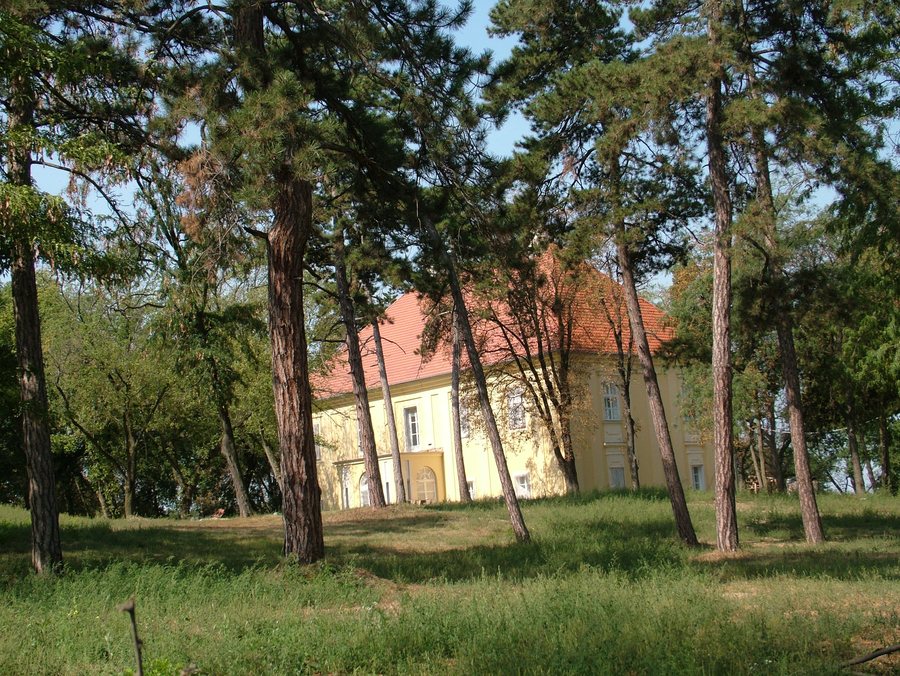 File:Kőröshegy kastély.JPG
Photo: Oldmumus at Hungarian Wikipedia via Wikimedia Commons, Public domain
Koröshegy at a glance
- Tulip fields bloom in spring at the Kőröshegy Tulip & Lavender Park, and lavender fields in summer. The timing can vary from year to year.
- Visitors can pick tulips themselves in the park during the season; children and dogs are welcome.
- Concerts are held in summer at the listed Szent-Kereszt Parish Church.
- The castle estate includes the Völgyhídi fishpond system and the historic use of Széchenyi Castle.
When is a good time to visit the Tulip & Lavender Park?
The flower fields offer different seasonal highlights: colorful tulips bloom in spring, and fragrant lavender fields in summer. The timing can shift from year to year. If you are traveling specifically to see the blooms, check the operator’s latest information in advance.
In spring, visitors can pick fresh tulips themselves and make a bouquet to take home; self-picking is seasonal. During the lavender harvest, tastings of syrup and jam are offered. This program is also seasonal, so check upcoming harvest dates with the operator. Children and dogs are welcome in the park. You can plan your visit around your preferred focus: the blooms, picking your own flowers, or an offering related to the lavender harvest.
What cultural and nature themes shape the area?
The listed Szent-Kereszt Parish Church was built in the late 15th century and formerly belonged to the Franciscans. Concerts are held there in summer. The building’s history and seasonal cultural events offer two distinct ways to experience the same church.
After its renovation, Széchenyi Castle in Kőröshegy housed, among other things, an exhibition space, rooms commemorating Széchenyi Zsigmond, and a library. This use is part of the castle’s history. The castle’s 32-hectare estate also contains the Völgyhídi fishpond system, which covers almost 5.5 hectares. It was restored to its original condition and welcomes anglers.
The options differ by interest: the parish church offers architectural history and summer concerts, the castle its former exhibition and commemorative use, and the ponds a connection to fishing.
How do you get to the park?
By car, reach the Kőröshegy Tulip & Lavender Park from Budapest via exit 121 on the M7 toward Balatonföldvár. Free parking is available at the entrance. As route details can change, check the information before setting out.
By bicycle, take the turnoff from Dózsa-György Street onto Persevölgyi dűlő, which leads to the bicycle racks at the entrance. By public transport, take the train to Balatonföldvár and then the bus to the Kőröshegy–Csárda stop; check the latest schedules. The stated endpoints also differ: bicycle route information lists racks at the entrance, while the bus connection lists the Kőröshegy–Csárda stop.
What should you consider when choosing accommodation?
Blooming and harvesting at the park are seasonal; information is available on getting there by car, bicycle, and public transport. Then compare the locations and terms of specific accommodation offers to suit your plans.
Discover more destinations: Nagycsepely, Kötcse, Balatonszárszó, Szólád, Szantod, Balatonőszöd, Balatonföldvar and Teleki.
FAQ
When do the tulips and lavender bloom?
The tulip fields bloom in spring and the lavender fields in summer. The timing can vary from year to year.
How do you reach the park by public transport?
Take the train to Balatonföldvár and then the bus to the Kőröshegy–Csárda stop. Check the latest schedule before traveling.
What is offered during the lavender harvest?
Tastings of syrup and jam are offered during the lavender harvest. Check upcoming harvest dates with the operator.
To the main travel overview: Balatonföldvár.

