
Berzence: Baroque Church, Chapel and Castle Ruins
Accommodation in Berzence
Berzence combines Baroque religious buildings with the remains of a medieval castle complex. Its historic buildings include the Roman Catholic Baroque church, the Szent Antal Chapel and the former Festetich Castle.
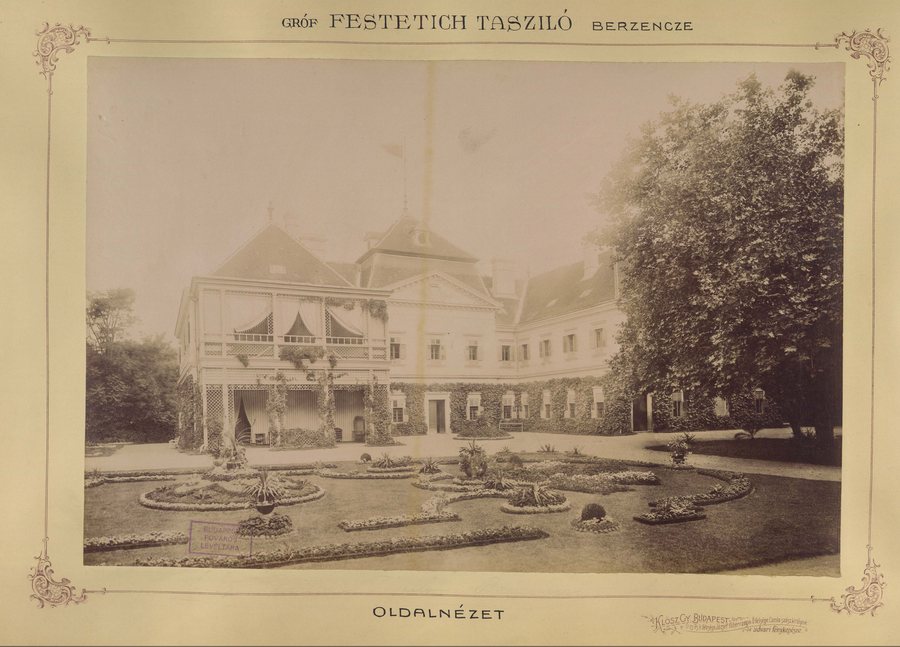 Festetics-kastély. Berzence. - Fortepan 83239.jpg
Photo: FOTO:Fortepan — ID 83239 : Adományozó/Donor: Budapest Főváros Levéltára. archive copy at the Wayback Machine via Source, Public domain
Berzence at a glance
- Count György Niczky had the Baroque church built between 1760 and 1767.
- The Roman Catholic church is 32 metres long and 12.5 metres wide and is a protected historic monument.
- The Szent Antal Chapel dates from around 1780 and is also protected.
- The medieval castle ruins lie in the centre; their remains include a brick tower and the castle mound.
Which buildings tell the story of Berzence?
The Roman Catholic church is the Baroque church that Count György Niczky had built between 1760 and 1767. At 32 metres long and 12.5 metres wide, it is considerably longer than it is wide. These dimensions give a clear sense of the building’s scale; the altarpieces also provide a specific artistic link to its history: they are by István Dorfmeister the Elder. The church is a protected historic monument.
The Szent Antal Chapel is also a protected Baroque monument. It is dated to around 1780, placing it somewhat later than the church’s construction. An Italian Baroque altarpiece can be seen in the chapel. In Count György Niczky’s time, it was a pilgrimage site—a historic role that adds another facet to Berzence’s religious history.
Alongside the churches, the former Festetich Castle is another protected historic monument from the 18th century. It is built in the Baroque style. Together, the church, chapel and castle offer a glimpse of the different buildings of this period, while their respective functions and histories remain distinct.
What remains of the medieval castle?
The medieval castle ruins lie in the centre of Berzence. They include the remains of the brick tower of a castle reinforced with palisades, as well as the castle mound. This makes it possible to distinguish the older fortification from the Baroque buildings of the 18th century: here, the remains of a medieval castle stand alongside the later church and castle buildings. The tower remains and castle mound are two tangible clues to the layout of the former complex.
What nature and activity themes are part of Balaton – South?
In the wider destination of Balaton – South, a regional nature theme leads to the night sky: in 2009, the Zselici Tájvédelmi Körzet received the International Dark Sky Park title because of its low light pollution. The Zselici Csillagpark was built in the heart of the protected area. This is a different theme from the architectural history that defines Berzence.
The wider destination of Balaton – South includes, among other places in Somogy County, Kis-Balaton, the Zselici Tájvédelmi Körzet, Barcsi Ősborókás and Babócsai Basakert. Baláta lies between Kaszó and Szenta and is one of Somogy’s particularly valued natural assets. These regional connections offer further topics if you plan your trip beyond Berzence.
The wider Dráva active tourism network also includes water tourism stops along its route through Somogy County. Individual facilities may change during development, so check the latest information before making specific plans.
Discover more destinations: Csurgónagymarton, Szenta, Iharos and Gyékényes.
FAQ
When was the Baroque church in Berzence built?
Count György Niczky had it built between 1760 and 1767. The church is 32 metres long and 12.5 metres wide.
What is known about the Szent Antal Chapel?
The protected chapel dates from around 1780. An Italian Baroque altarpiece can be seen inside; in Niczky’s time, it was a pilgrimage site.
What remains of the medieval castle?
In the centre are the remains of the brick tower of the castle reinforced with palisades, as well as the castle mound.
To the wider travel overview: Csurgói.

