
Panyola: Land Use, Culture and Landscape
Accommodation in Panyola
Panyola is shaped by established land use, local produce and preserved landscape features.
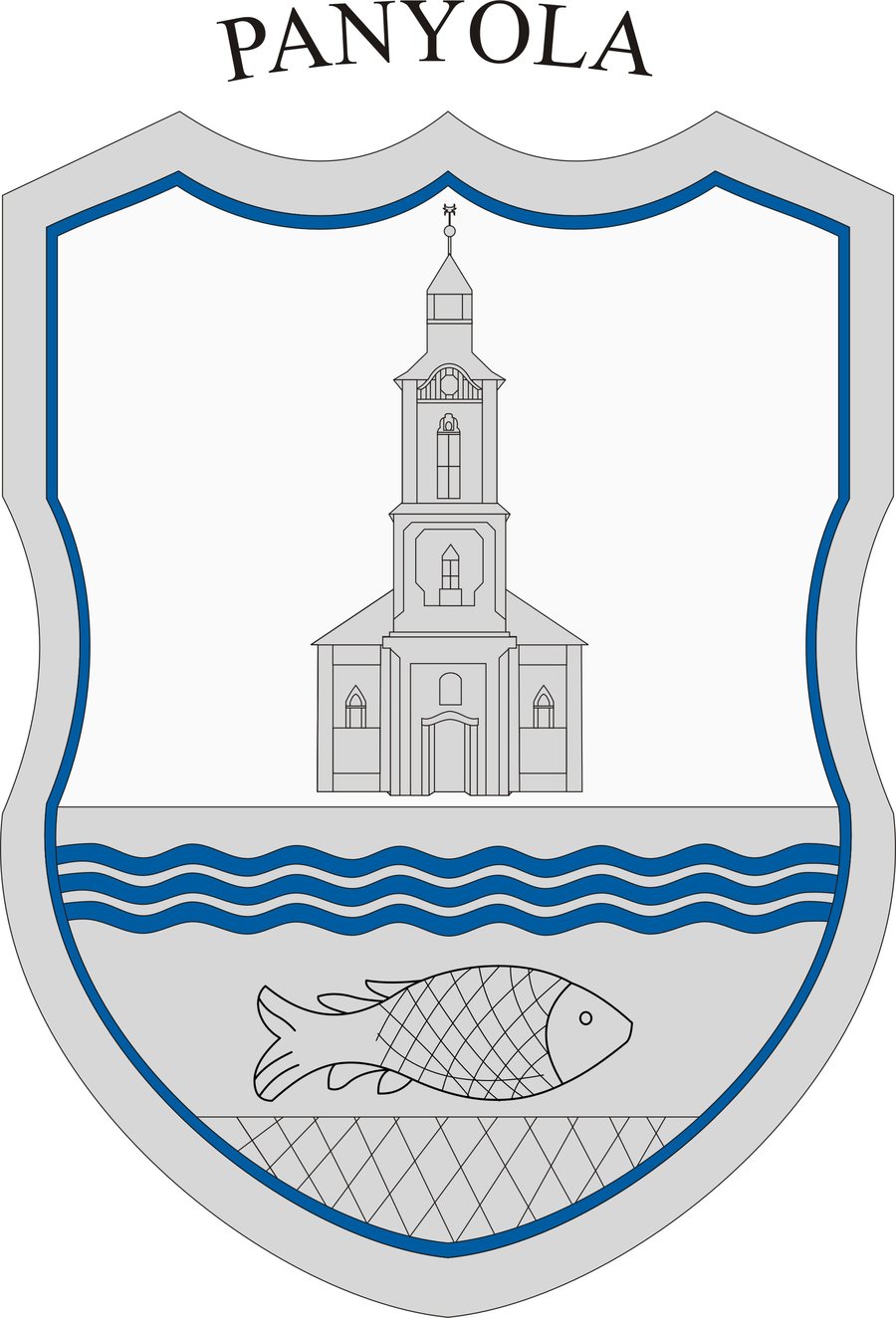
Key facts about Panyola
- Grazing, haymaking and cultivated floodplain orchards are part of a traditional land-use system that has developed over centuries.
- Products associated with Panyola include Hungarian Grey cattle, Mangalica pork, dried plums, fruit preserves and pálinka.
- The Panyolai KultúrPajta–GyerekPajta offers children and families opportunities to spend time together and enjoy arts education.
- The Ócsi-legelő and the Székosgaz-erdő by the Túr are preserved remnants of the area’s forests, meadows and wooded pastures.
What shapes Panyola’s land use and local products?
Traditional land use in Panyola has developed over centuries. Grazing, haymaking and the cultivation of floodplain orchards remain part of it. Haymaking means cutting the meadows; floodplain orchards combine fruit growing with the floodplain landscape. Together, these forms of land use offer insight into the different activities that have shaped and continue to shape the settlement.
The products associated with Panyola also show a wide variety: Hungarian Grey cattle and Mangalica pork sit alongside dried plums and fruit preserves, with pálinka completing the selection. For travellers who consider regional produce and traditional land management when choosing a destination, these themes offer a specific focus. The product list includes animal products as well as preserved fruit, giving a broader picture than a single culinary reference.
What cultural and landscape themes can you find in Panyola?
The Panyolai KultúrPajta, also known as GyerekPajta, is aimed at children and families. It offers opportunities to spend time together and enjoy arts education; visitors can also learn about regional traditions there. This gives Panyola a cultural focus alongside agriculture and landscape, one that expressly includes families and children. If a specific date matters to you, check the latest programme details in advance.
The Ócsi-legelő and the Székosgaz-erdő by the Túr preserve different elements of the landscape: forests, colourful meadows and wooded pastures. These two named landscape remnants provide specific points of reference for Panyola’s natural environment. Together with the floodplain orchards, they show how the description of the settlement encompasses both cultivated land and preserved landscape features.
What other themes does the wider destination offer?
In the wider destination of Szabolcs-Szatmár-Bereg, distinct cultural and nature themes complement Panyola’s local character. The Vay-Ádám Museum Collection of the Hungarian National Museum is housed in the Renaissance Vay Castle in Vaja. The Báthori Castle in Nyírbátor has a permanent exhibition and a historical waxworks display, depicting members of the Báthori family in an environment typical of their era. The two examples highlight different aspects of history: a museum collection in one case, and the portrayal of a family in a historical setting in the other.
Architectural history and religious heritage are also themes of the wider destination. Andrássy Castle in Tiszadob was built between 1880 and 1885 in the French Gothic style. It was commissioned by former Prime Minister Andrássy Gyula and designed by Alpár Ignác. The northern Hungarian section of the Medieval Churches Route connects 37 churches in the medieval church landscape of Szabolcs-Szatmár-Bereg.
For nature enthusiasts, the landscapes near Tiszadob and Bátorliget are regional highlights. The 1,000-hectare nature reserve near Tiszadob includes oxbow lakes, floodplain forests and grassland. Between 80 and 90 pairs of herons nest in Tölgyes Forest. Bátorliget Ancient Moor is about 53 hectares in size and strictly protected; it preserves particularly well the different stages in the development of the vegetation and landscape history of the Alföld Plain. These regional themes broaden the picture beyond Panyola’s local features.
How can you use these themes when looking for accommodation?
If you are looking for a hotel in Panyola, start with what matters most for your trip: are you mainly interested in the established land use and local produce, family-oriented arts education, or preserved landscape features? This question can help you organise your interests before comparing specific accommodation options. If you also consider the wider destination, you can decide whether regional cultural or nature themes matter for your plans.
Discover more destinations: Szatmárcseke, Fehérgyarmat, Tunyogmatolcs, Kisar, Túristvándi, Tiszabecs.
FAQ
Which products are associated with Panyola?
Local products include Hungarian Grey cattle, Mangalica pork, dried plums, fruit preserves and pálinka.
What does the Panyolai KultúrPajta–GyerekPajta offer?
It offers children and families opportunities to spend time together and enjoy arts education. Visitors can also learn about regional traditions there.
Which landscape features are mentioned for Panyola?
The Ócsi-legelő and the Székosgaz-erdő by the Túr are preserved remnants of the area’s forests, colourful meadows and wooded pastures.
Go to the wider travel overview: Fehérgyarmat.

