
Discover Döbrököz: Church and Castle Ruins
Accommodation in Döbrököz
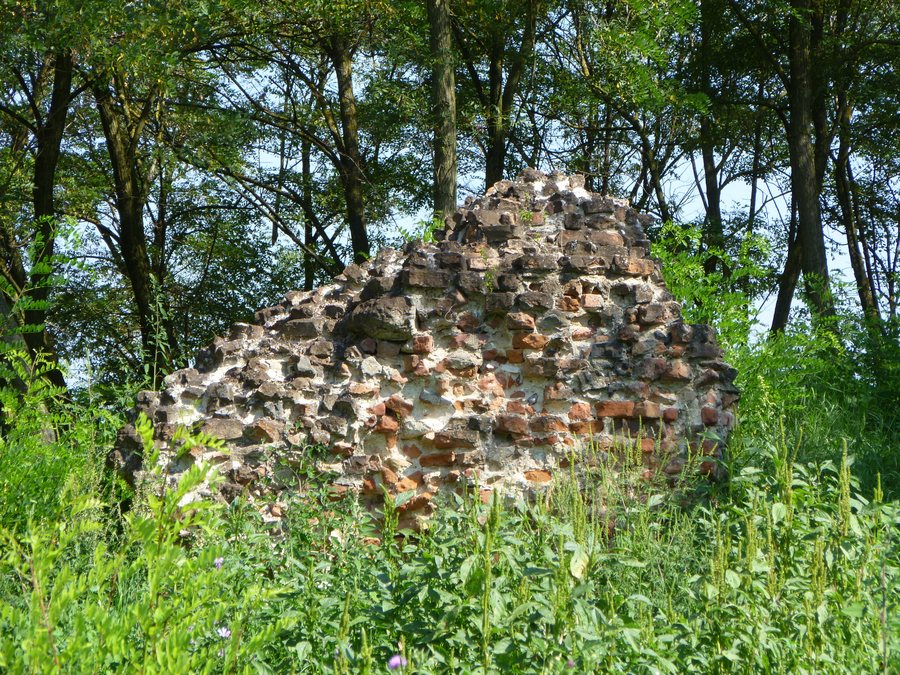
Church architecture and castle history give Döbrököz a distinctive cultural and historical profile. The Roman Catholic church features a Neo-Romanesque design, an organ dating from 1902, and a fresco from 1963. The castle is associated with a wedding in 1532 and the donation of its ruins in 1938.
Döbrököz at a glance
- The Roman Catholic church was designed in the Neo-Romanesque style by Viennese architect Kirschstein Imre Ágoston and has three aisles.
- The organ was made in 1902 by József Angster, an organ builder from Pécs.
- Mór József painted the fresco in the sanctuary in 1963.
- A wedding took place at Döbrököz Castle in 1532.
- In 1938, Prince Pál Esterházy, the castle’s last owner, donated the castle ruins and the surrounding area to the municipality.
What makes the church in Döbrököz distinctive?
The Neo-Romanesque style describes the design vocabulary of the church, while its three aisles provide another architectural point of reference. “Three-aisled” means that the church interior is divided into three sections running lengthwise. This makes it possible to distinguish the building’s style from its spatial layout as two separate features.
The organ and fresco add music and painting to this architectural perspective. József Angster from Pécs made the organ in 1902, and Mór József painted the fresco in the sanctuary in 1963. These details concern different elements of the same church: the building’s design, its instrument, and a work in the sanctuary. Those interested in sacred architecture can consider these aspects separately, rather than describing the church solely by its architectural style.
What history is associated with the castle?
A wedding at Döbrököz Castle is recorded for 1532. The year 1938 offers a different historical perspective: Prince Pál Esterházy, the castle’s last owner, donated the castle ruins and the surrounding area to the municipality that year. The two details have different emphases. The wedding was an event at the castle; the donation covered the surrounding area as well as the ruins. The castle’s history can thus be understood through a specific event and a later donation, without conflating the two.
What else does Tolna have to offer?
In the wider Tolna region, there are other attractions distinct from Döbrököz’s church and castle history. In Tamási, Tamási Thermal Bath offers a sauna world, leisure pools, and medicinal water. As facilities and opening arrangements may change, it is advisable to check the operator’s latest information before visiting.
The Pacsmag Lakes are an important Hungarian habitat for the strictly protected ferruginous duck. In Szekszárd, the Babits Mihály Memorial House is located in Kelemen House, which is more than two hundred years old; it is a literary memorial site. Also in Szekszárd, the Wosinsky Mór Museum is open daily from 10:00 a.m. to 5:00 p.m., except Mondays; hours may differ on public holidays. It is also worth checking the museum’s holiday opening hours before your visit.
Another historical attraction in Tolna is Pipo Castle, built by Filippo Scolari, who came from Florence. Taken together, the region offers a range of attractions: a thermal bath, a protected habitat, a literary memorial, a museum, and a castle. The information ranges from specific visitor hours to enduring natural and historical topics.
Discover more destinations: Dombóvár, Kapospula, Szakcs and Kaposszekcső.
FAQ
Who designed the church in Döbrököz?
Viennese architect Kirschstein Imre Ágoston designed the Roman Catholic church in the Neo-Romanesque style.
Which years are associated with the organ and the fresco?
József Angster made the organ in 1902; Mór József painted the fresco in the sanctuary in 1963.
What happened to the castle ruins in 1938?
As the castle’s last owner, Prince Pál Esterházy donated the ruins and the surrounding area to the municipality.
Go to the main travel overview: Dombóvár.

