
Discover Kaposszekcső: transport, history and events
Accommodation in Kaposszekcső
Road connections, the location of the railway stop and historical milestones offer an initial overview of Kaposszekcső.
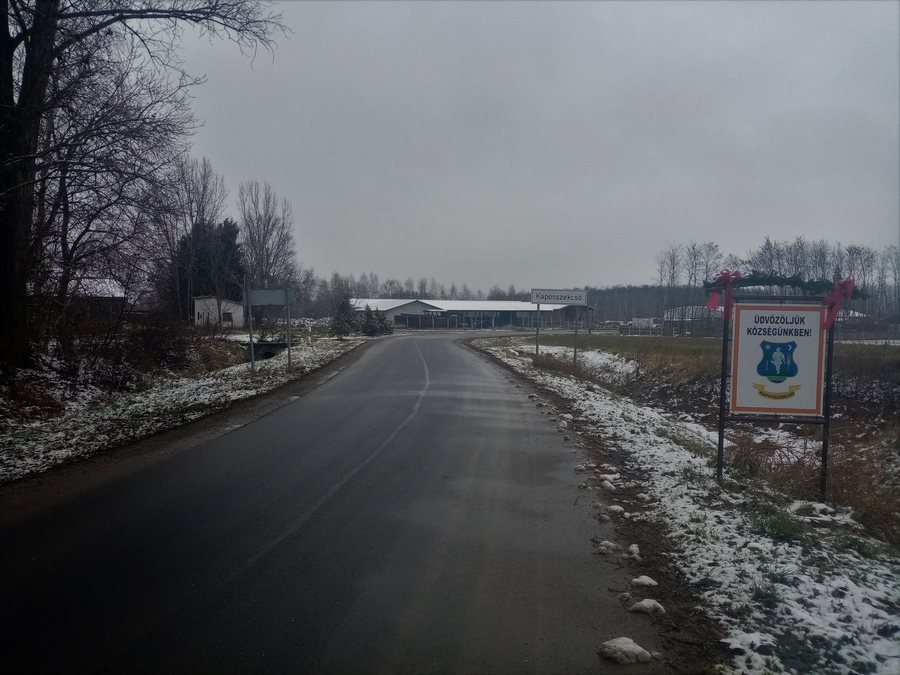
Kaposszekcső at a glance
- Main Road 611 runs through Kaposszekcső and connects Dombóvár and Sásd.
- Road 6534 connects the village with Bonyhád; Road 6519 leads towards Jágónak and Meződ.
- Kaposszekcső railway stop is on the eastern edge of the town centre.
- Historical milestones include the settlement of nine German-speaking families in 1775, the consecration of a prayer house in 1796, and the consecration of the church in the town centre in 1865.
How is Kaposszekcső connected by road?
Main Road 611 runs through Kaposszekcső and connects Dombóvár with Sásd. Road 6534 connects the village with Bonyhád; Road 6519 leads from Kaposszekcső towards Jágónak and Meződ. On a map, you can distinguish these routes by their respective roles: a road through the village, a connection to Bonyhád, and a route towards Jágónak and Meződ. For your specific journey, check your route and the current road conditions on the day of travel.
Kaposszekcső railway stop is on the eastern edge of the town centre, north of the railway crossing with Road 6534. Its location provides a clear reference point on a map of the village. If you are planning a train journey, check current services and journey times in advance.
What historical milestones are there?
Three dates provide a simple chronological overview. In 1775, nine German-speaking families settled in Kaposszekcső. The small community’s first prayer house was consecrated in 1796. A prayer house is a place of worship; here, the year marks its consecration. The church in the town centre was consecrated in 1865. These milestones therefore represent different events: a settlement and two consecrations. For those interested in cultural history, this sequence provides specific points of reference for distinguishing the dates and places mentioned.
What events are on the program?
The regular program includes a pálinka and wine competition in March. It also features a grape harvest festival organised in cooperation with the German Nationality Self-Government, a Passion play associated with this self-government, and an Easter craft workshop. The events offer a variety of themes: competitions and the grape harvest alongside a Passion play and the craft workshop. If one of these events is a deciding factor in your trip, check the specific date and visitor arrangements in advance.
What else is there to know about the village?
Kaposszekcső also has a sports park. This adds a sporting dimension to the village’s historical and cultural attractions. If the sports park is important to your plans, check in advance what visiting or use options are available.
Discover more destinations: Dombovar, Kapospula, Szakcs and Döbrököz.
FAQ
Which roads connect Kaposszekcső with other places?
Main Road 611 runs through the village and connects Dombóvár and Sásd. Road 6534 connects Kaposszekcső with Bonyhád; Road 6519 leads towards Jágónak and Meződ.
Where is Kaposszekcső railway stop?
It is on the eastern edge of the town centre, north of the railway crossing with Road 6534. For a train journey, check current services and journey times.
Which events are regularly on the program?
These include a pálinka and wine competition in March, a grape harvest festival, a Passion play and an Easter craft workshop. If you are planning your trip around one of these events, check the specific dates and visitor arrangements in advance.
Which historical years are important for Kaposszekcső?
Nine German-speaking families settled here in 1775. The first prayer house was consecrated in 1796, and the church in the town centre in 1865.
For the wider travel overview: Dombóvári.

