
Discover Köcsk: School Chapels and Local History
Accommodation in Köcsk
Köcsk consists of Nagyköcsk and Kisköcsk. The Csikászó stream flows between the two districts towards Kodó; school chapels, a historic church site and the war memorial offer tangible insights into local history.
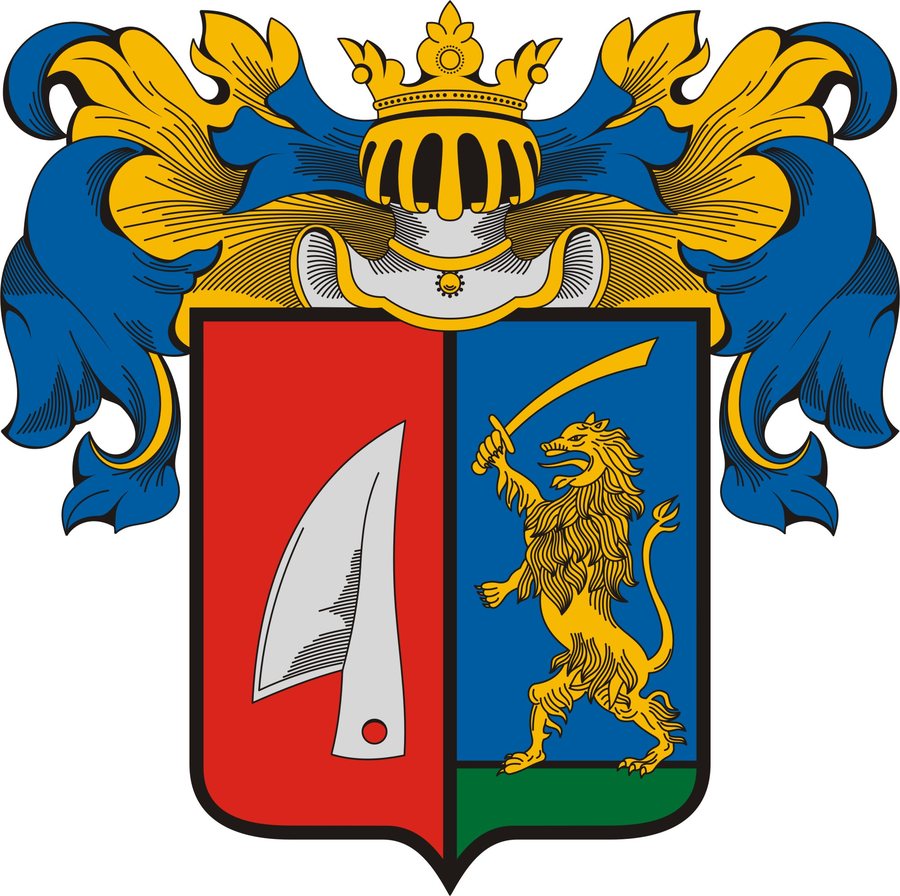
Quick facts about Köcsk
- Districts: Nagyköcsk and Kisköcsk.
- The Csikászó stream flows between the districts towards Kodó.
- The Kisköcski iskolakápolna is on Hunyadi utca.
- The Nagyköcski iskolakápolna is at Kossuth Lajos utca 35.
What historical traces shape the town?
An important early church site in Köcsk was the church dedicated to Saint George. It was probably built by the Köcsk family. Its first documented mention dates to 1289; it was destroyed during the Ottoman period. The year 1289 refers to the first mention in a document, not to the year the church was built.
The church stood in the eastern part of Nagyköcsk, near the present-day cemetery. Its foundations were found in the cemetery. Two clues therefore feature in the town’s history: the former location of the church and the archaeological discovery at the cemetery. This historic site should be distinguished from the school chapels, which are also part of Köcsk’s character.
Which buildings and memorial sites provide a sense of place?
The two school chapels can be distinguished by their names and addresses: the Kisköcski iskolakápolna is on Hunyadi utca, while the Nagyköcski iskolakápolna is at Kossuth Lajos utca 35. These details help place the named buildings in the context of the town. Alongside the older church site, they represent another chapter in the local architectural history.
The Ajkay–Hetthéssy manor house is another named building in Köcsk. Ajkay Dénes probably had it built in the 1880s in the historicist style, also described as eclectic. The tentative attribution and approximate date are part of its architectural history; they should not be mistaken for a confirmed year.
The Nagyköcsk war memorial commemorates those who fell and the victims of both world wars and fascism. It names nine people who fell in the First World War. A plaque added later also lists six victims of the Second World War and fascism. A relief depicts a Honvéd symbol. The memorial was created by Ráday Ignác, a stonemason from Celldömölk. The plaque added later shows that the commemorative inscription was expanded.
How does Köcsk fit into the wider region?
The wider Eisenburg travel destination offers other themes that differ from Köcsk’s local history. Írottkő Nature Park lies in the northwestern part of Vas County; the 4,303-hectare Kőszeg Landscape Protection Area is part of it. Nature and landscape offer a distinct regional perspective.
For cycling and bathing, the Termál Kerékpáros Túraút in Vas County leads to five thermal bath complexes and combines cycling with visits to architectural and natural attractions, as well as other thermal baths. The Vulkán Tour leads to Kis-Somlyó, Ság-hegy and Belső-hegy. These routes and landscapes are regional suggestions within the wider Eisenburg travel destination; they do not describe Köcsk itself. When planning, you can therefore distinguish between Köcsk’s local history and these broader themes.
What does this mean when looking for accommodation?
If you’re looking for hotels in Köcsk, the town’s history offers a concrete starting point for getting to know the place: its two districts, named school chapels, former church site and war memorial shape its local identity. To decide whether to focus on Köcsk or also consider regional nature, cycling and bathing, it helps to distinguish clearly between the town and the wider Eisenburg travel destination.
Discover more destinations: Celldömölk, Kemeneskapolna, Borgáta, Tokorcs, Ostffyasszonyfa, Mesteri, Kemenesmagasi.
FAQ
Which districts make up Köcsk?
Köcsk consists of Nagyköcsk and Kisköcsk. The Csikászó stream flows between them towards Kodó.
Where are the two school chapels?
The Kisköcski iskolakápolna is on Hunyadi utca. The Nagyköcski iskolakápolna is at Kossuth Lajos utca 35.
What is known about the Church of Saint George?
The former church was dedicated to Saint George. Its first documented mention dates to 1289; it was destroyed during the Ottoman period. Its foundations were found in Köcsk cemetery.
What information does the war memorial bear?
The memorial names nine people who fell in the First World War. A plaque added later lists six victims of the Second World War and fascism; a relief also depicts a Honvéd symbol.
How is the Ajkay–Hetthéssy manor house dated?
Ajkay Dénes probably had the manor house built in the 1880s in the historicist style, also described as eclectic.
For the wider travel overview: Celldömölk.

