
Mesteri: Thermal Bath, Cycling Route and Church
Accommodation in Mesteri
Mesteri combines a thermal bath with a cycling route, a hiking trail and a church with a long history. You can weigh up which of these aspects should shape your stay by considering the local experiences and the range of regional routes.
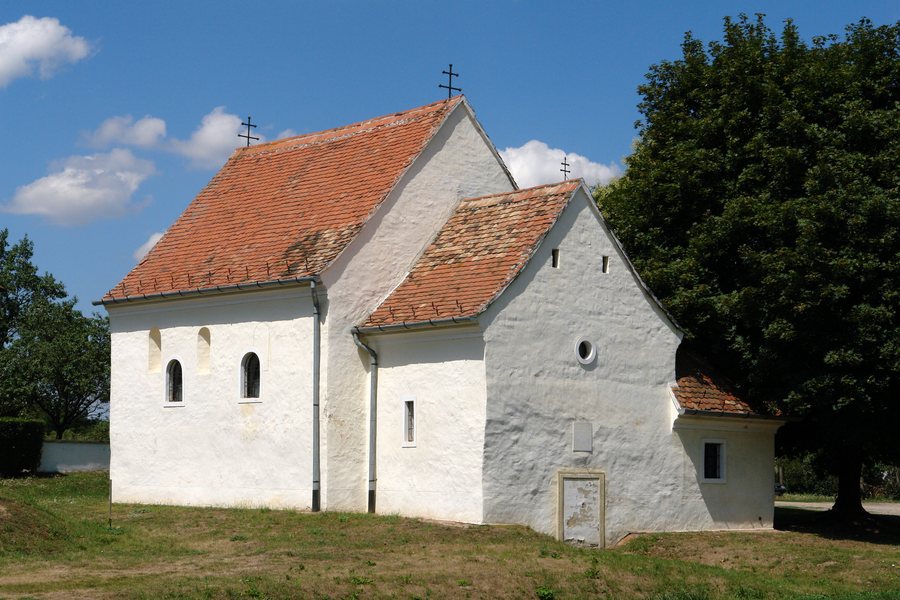
Mesteri at a glance
- The Termál Kerékpáros Túraút passes through Mesteri; the town is one of its thermal bath stops.
- Mesteri Termálfürdő has five pools and offers opportunities for relaxation and recuperation.
- A hiking trail marked with a yellow-and-white cross leads from the church area up a mountain, where you can go for a walk.
- Szent Mihály-templom was built in the second quarter of the 13th century on an Iron Age burial mound.
Which experiences could shape your stay?
Mesteri’s offerings appeal to different interests: the thermal bath is a place to relax, while the cycling route and hiking trail add outdoor activity to your itinerary. The church adds a cultural and historical point of interest to these options. You might therefore first consider whether you would prefer to focus on the bath, outdoor activities or the town’s history.
The bath has five pools and offers opportunities for relaxation and recuperation. If the pool options are important to your plans, confirm the current details with the operator before your visit. This way, a visit to the bath can remain part of your plans without losing sight of the town’s other attractions.
How can you plan around the cycling route and hiking trail?
The Termál Kerékpáros Túraút passes through Mesteri, and the town is one of the route’s thermal bath stops. This connects cycling with a visit to the bath in Mesteri. You can treat the route as a reason for the trip in its own right; check the route’s current condition before setting out.
The hiking trail offers another way to spend time outdoors. Marked with a yellow-and-white cross, it leads from the church area up a mountain, where you can go for a walk. Before setting out, check that the trail markers are currently easy to see. The cycling route and hiking trail give you two different options to consider when planning.
What makes Szent Mihály-templom noteworthy?
The church was built in the second quarter of the 13th century on an Iron Age burial mound. Two very different periods thus come together in one place: the burial mound from the Iron Age and the medieval church. If you are interested in architectural and local history, the church offers a specific historical point of reference in Mesteri.
The church area is also the starting point of the hiking trail described above. This means you can pair a visit to the church with a walk on the mountain, while keeping the two experiences distinct: one offers a connection to the town’s history, the other takes you outdoors onto the trail.
What role does Mesteri play in the Eisenburg destination?
Within the broader Eisenburg destination, the Termál Kerékpáros Túraút in Vas County takes in five thermal bath complexes. The route combines cycling with visits to built and natural attractions, as well as other thermal baths. Mesteri is one of its thermal bath stops. This regional context helps you see the town not only as a destination for a single visit, but also in connection with a cycling route and other thermal bath stops.
The local context remains important: in Mesteri, the thermal bath, the cycling route that passes through the town, the hiking trail from the church area and the church itself are the specific points of interest. If you are looking for a hotel, you can first decide which of these interests will shape your trip, then explore suitable options in Mesteri.
Discover more destinations
Discover more destinations: Tokorcs, Kemeneskapolna, Borgáta, Kemenesmagasi, Ostffyasszonyfa, Köcsk and Celldömölk.
FAQ
How many pools does the thermal bath in Mesteri have?
Mesteri Termálfürdő has five pools. Confirm the current details about the pools and facilities with the operator before your visit.
Where does the hiking trail described here begin?
The hiking trail, marked with a yellow-and-white cross, leads from the church area up a mountain, where you can go for a walk. Check the current trail markers before setting out.
What is the church’s historical distinction?
Szent Mihály-templom was built in the second quarter of the 13th century on an Iron Age burial mound.
For the broader travel overview: Celldömölki.

