
Tokorcs and its Lutheran Church
Accommodation in Tokorcs
The Lutheran church is a tangible cultural point of interest in Tokorcs: its wood carvings, decorated altar and pulpit tell a story of craftsmanship and church furnishings. The wider destination of Eisenburg also offers cultural, landscape and tour-related themes to help put your travel plans in context.
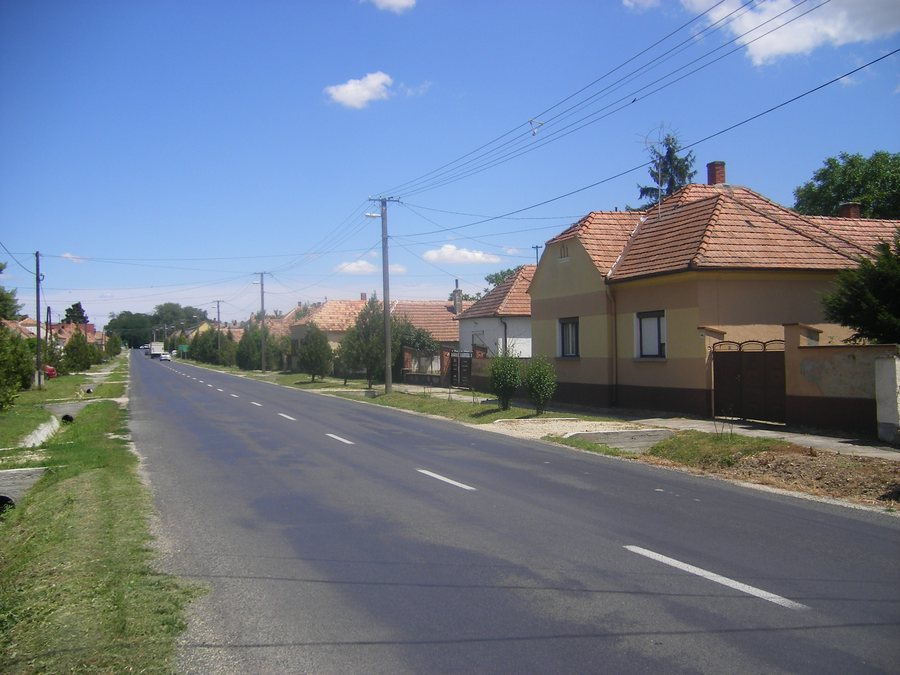
Key facts about Tokorcs
- In 1956, Fóth Sándor and his son, Fóth Zoltán, made the wood carvings for the Lutheran church based on designs.
- The altar and pulpit were designed by Dr. Schulek Tibor and his wife, Majoros Edit.
- In 2012, the church received a tower and was fully renovated inside and out.
What do the church’s carvings and furnishings tell us?
The carvings connect the church with a craft tradition whose makers are known by name: Fóth Sándor, a master cooper and carpenter who lived in Sitke, made them in 1956 with his son, Fóth Zoltán, based on the designs. The altar and pulpit were designed by Dr. Schulek Tibor and his wife, Majoros Edit. At this one location, then, it is possible to name both the woodcraft artisans and the designers of key furnishings.
The interior furnishings described include symbols on the pulpit, altar cloths and the pastor’s pew. The altar depicts two angels, the Lamb, symbols of the Last Supper, grapes and an ear of grain. These motifs give the altar its own thematic character, while the carvings have a specific craft history. In 2012, a tower was added and the interior and exterior were fully renovated. These three details—craftsmanship, design and later building history—offer different points of interest if you are interested in the church.
What other themes does the wider destination of Eisenburg offer?
The wider destination of Eisenburg brings together cultural and landscape themes. The Írottkő Nature Park lies in the northwestern part of Vas County and includes the entire 4,303-hectare Kőszeg Landscape Protection Area. The Őrség is also associated with significant ethnographic and cultural-historical values. Őrség National Park was established on 1 March 2002 to preserve and present the natural, ethnographic and cultural-historical values of Őrség.
The tours described have distinctly different themes: the Termál Kerékpáros Túraút (Thermal Cycling Route) leads to five spa complexes in Vas County and combines cycling with visits to architectural and natural sites, as well as other spas. The Vulkán Tour leads to Kis-Somlyó, Ság-hegy and Belső-hegy. One combines cycling with spas and sightseeing; the other visits three named volcanic hills.
Historic architecture and regional culture offer further points of reference in Eisenburg. The Romanesque church of Ják Abbey was consecrated in 1256. The Vasi Skanzen presents rural ways of life and the folk architecture of Vas County from the past two centuries. Since opening in 1973, it has rescued and reconstructed 43 buildings from 27 settlements. The Nádasdy Ferenc Museum has an exhibition on the history of the hussars, described as unique in Hungary; the museum also displays art and cultural-history objects from castles and palaces in Vas County.
How can you put these themes into context for your travel plans?
Here, Tokorcs is defined by the specific furnishings and history of its Lutheran church. The wider destination of Eisenburg, by contrast, offers additional themes encompassing landscape protection, cycling, spas and various forms of cultural heritage. This distinction helps you consider the local church art separately from broader interests in nature, architecture or regional history, rather than combining them into a single excursion itinerary.
Discover more destinations: Mesteri, Borgáta, Kemenesmagasi, Kemeneskapolna, Köcsk, Ostffyasszonyfa, Celldömölk.
FAQ
Who made the church’s wood carvings?
Fóth Sándor, a master cooper and carpenter who lived in Sitke, made them in 1956 based on designs, together with his son, Fóth Zoltán.
What motifs are depicted on the altar?
The motifs listed are two angels, the Lamb, symbols of the Last Supper, grapes and an ear of grain. There are also symbols on the pulpit, altar cloths and the pastor’s pew.
What distinguishes the two tours mentioned in Eisenburg?
The Termál Kerékpáros Túraút (Thermal Cycling Route) is a cycling route to five spa complexes and includes visits to architectural and natural sites. The Vulkán Tour leads to the three named hills of Kis-Somlyó, Ság-hegy and Belső-hegy.
Go to the wider travel overview: Celldömölki.

